Nursing practice questions with comprehensive rationales
NurseDive Free Nursing Practice Question
A nurse is caring for a client who has dysphagia and requires a level 1 dysphagia diet. Which of the following foods should the nurse choose for this client?
A. Chicken noodle soup
Chicken noodle soup: This option typically contains solid ingredients such as chicken, noodles, and vegetables, which are not suitable for a level 1 dysphagia diet. The client may have difficulty swallowing these solid components.
B. Apple juice
Apple juice: Liquids, including apple juice, are generally not included in a level 1 dysphagia diet as they require minimal swallowing effort. However, it is essential to consult a speech-language pathologist or dysphagia specialist regarding the client's specific liquid consistency recommendations.
C. Pudding
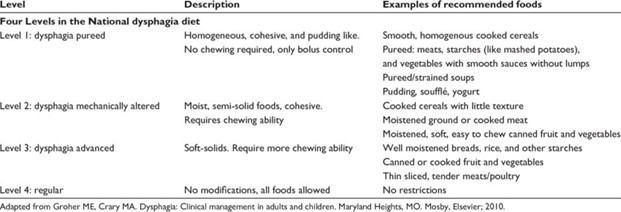
Pudding: Pudding is an ideal choice for a level 1 dysphagia diet as it can be easily pureed to a smooth consistency that is safe for swallowing. It provides a creamy and soft texture that is easier for individuals with dysphagia to manage.
D. Milk
Milk: Milk is not typically recommended for a level 1 dysphagia diet as it is a liquid and requires minimal swallowing effort. Similar to apple juice, specific liquid consistency recommendations should be sought from a dysphagia specialist.
This question is an excerpt from Nurse Dive's nursing test bank - ATI RN Nutrition 2019 Proctored Exam. Take the full exam now
Full Explanation
A level 1 dysphagia diet, also known as a pureed diet, is recommended for individuals with severe swallowing difficulties. It involves pureeing or blending all foods to a smooth consistency to facilitate swallowing and prevent choking.
● Chicken noodle soup: This option typically contains solid ingredients such as chicken, noodles, and vegetables, which are not suitable for a level 1 dysphagia diet. The client may have difficulty swallowing these solid components.
● Apple juice: Liquids, including apple juice, are generally not included in a level 1 dysphagia diet as they require minimal swallowing effort. However, it is essential to consult a speech-language pathologist or dysphagia specialist regarding the client's specific liquid consistency recommendations.
● Pudding: Pudding is an ideal choice for a level 1 dysphagia diet as it can be easily pureed to a smooth consistency that is safe for swallowing. It provides a creamy and soft texture that is easier for individuals with dysphagia to manage.
● Milk: Milk is not typically recommended for a level 1 dysphagia diet as it is a liquid and requires minimal swallowing effort. Similar to apple juice, specific liquid consistency recommendations should be sought from a dysphagia specialist.
Similar Questions
A nurse is providing anticipatory guidance to a client who has phenylketonuria (PKU) and is planning a pregnancy. Which of the following information should the nurse include in the discussion?
A. "Diet sodas should not be consumed more than two or three times per week."
"Diet sodas should not be consumed more than two or three times per week": While it is generally advisable to limit the consumption of diet sodas due to their artificial sweeteners, this statement does not directly relate to PKU management or pregnancy planning.
B. "A low-protein diet should be followed for 3 months prior to conception."
"A low-protein diet should be followed for 3 months prior to conception": A low-protein diet is a fundamental aspect of managing PKU. PKU management should be ongoing and tailored to the individual's needs, with dietary adjustments made as necessary throughout pregnancy.A low-protein diet is necessary to manage phenylalanine levels and prevent adverse effects on the developing baby.
C. "Serum bilirubin should be monitored one to two times per month during pregnancy."
Monitoring serum bilirubin levels is not a standard practice during pregnancy for individuals with PKU. The focus of monitoring in PKU during pregnancy is primarily on phenylalanine levels to prevent maternal and fetal complications related to high phenylalanine levels.
D. "Breastfeeding will prevent your baby from developing PKU."
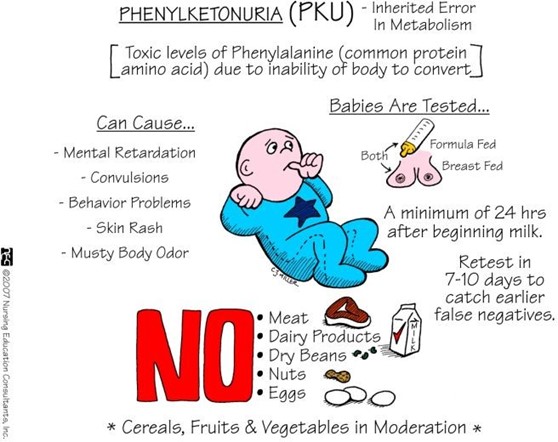
"Breastfeeding will prevent your baby from developing PKU": This statement is incorrect. Breast milk naturally contains phenylalanine, which could be harmful to an infant with PKU. Infants with PKU must receive a specialized formula that is low in phenylalanine from birth. Breastfeeding is not recommended for infants with PKU unless specifically guided by a healthcare professional.
Full Explanation
Phenylketonuria (PKU) is an inherited metabolic disorder in which the body cannot properly process an amino acid called phenylalanine. If left untreated, phenylalanine can build up to harmful levels in the body, leading to intellectual disability and other health problems. Managing PKU involves following a strict low-phenylalanine diet.
When discussing anticipatory guidance for a client with PKU who is planning a pregnancy, it is important to focus on monitoring the maternal phenylalanine levels during pregnancy. Serum bilirubin is not directly related to PKU management and would not require specific monitoring in this context.
Regarding the other options:
"Diet sodas should not be consumed more than two or three times per week": While it is generally advisable to limit the consumption of diet sodas due to their artificial sweeteners, this statement does not directly relate to PKU management or pregnancy planning.
"A low-protein diet should be followed for 3 months prior to conception": A low-protein diet is a fundamental aspect of managing PKU. However, the timeline mentioned (3 months prior to conception) is not supported by current guidelines. PKU management should be ongoing and tailored to the individual's needs, with dietary adjustments made as necessary throughout pregnancy.
"Breastfeeding will prevent your baby from developing PKU": This statement is incorrect. Breast milk naturally contains phenylalanine, which could be harmful to an infant with PKU. Infants with PKU must receive a specialized formula that is low in phenylalanine from birth. Breastfeeding is not recommended for infants with PKU unless specifically guided by a healthcare professional.
A nurse is caring for a client who has throat cancer and is receiving radiation therapy. The client reports nausea, stomatitis, and weight loss. Which of the following dietary interventions should the nurse recommend?
A. Increase intake of liquids at mealtime.
Increase intake of liquids at mealtime: While it is important for the client to maintain hydration, increasing liquid intake at mealtime may contribute to a feeling of fullness and exacerbate nausea. It is generally recommended to consume liquids between meals rather than with meals.
B. Serve foods hot.
Serve foods hot: Serving foods hot may not directly address the client's symptoms. The temperature of the food is unlikely to alleviate nausea, stomatitis, or weight loss.
C. Consume foods high in fat content.
Consume foods high in fat content: Foods high in fat content may be difficult to tolerate for a client experiencing nausea and stomatitis. Additionally, focusing on increasing protein intake is generally a higher priority than increasing fat intake for a client experiencing weight loss.
D. Select foods high in protein.
Throat cancer and radiation therapy can cause various side effects, including nausea, stomatitis (inflammation of the mouth), and weight loss. In this situation, it is important to focus on nutritional support and addressing the client's symptoms. Selecting foods high in protein is recommended for this client. Protein is essential for tissue repair and maintaining muscle mass, which is crucial for recovery and preventing further weight loss. Foods high in protein include lean meats, poultry, fish, dairy products, eggs, legumes, and tofu. The nurse can work with a registered dietitian to develop a meal plan that incorporates protein-rich foods while considering the client's preferences and any specific dietary restrictions.
Full Explanation
Throat cancer and radiation therapy can cause various side effects, including nausea, stomatitis (inflammation of the mouth), and weight loss. In this situation, it is important to focus on nutritional support and addressing the client's symptoms.
Selecting foods high in protein is recommended for this client. Protein is essential for tissue repair and maintaining muscle mass, which is crucial for recovery and preventing further weight loss. Foods high in protein include lean meats, poultry, fish, dairy products, eggs, legumes, and tofu. The nurse can work with a registered dietitian to develop a meal plan that incorporates protein-rich foods while considering the client's preferences and any specific dietary restrictions.
Regarding the other options:
● Increase intake of liquids at mealtime: While it is important for the client to maintain hydration, increasing liquid intake at mealtime may contribute to a feeling of fullness and exacerbate nausea. It is generally recommended to consume liquids between meals rather than with meals.
● Serve foods hot: Serving foods hot may not directly address the client's symptoms. The temperature of the food is unlikely to alleviate nausea, stomatitis, or weight loss.
● Consume foods high in fat content: Foods high in fat content may be difficult to tolerate for a client experiencing nausea and stomatitis. Additionally, focusing on increasing protein intake is generally a higher priority than increasing fat intake for a client experiencing weight loss
A nurse is teaching about nutrition to a client who has a new diagnosis of chronic kidney disease. Which of the following recommendations should the nurse include in the teaching?
A. Limit calcium intake.
Limit calcium intake: Calcium intake does not need to be limited unless there are specific complications related to calcium metabolism, such as hypercalcemia or certain types of kidney stones. Calcium is important for bone health, and adequate intake should be maintained unless otherwise directed by the healthcare provider.
B. Limit protein intake.
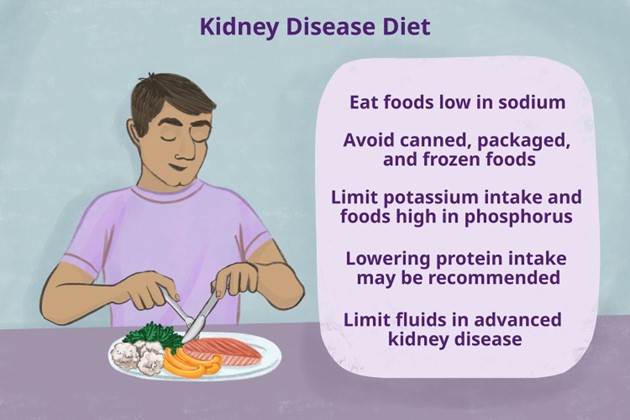
Limiting protein intake is an important dietary modification for clients with chronic kidney disease. High protein intake can increase the workload on the kidneys and lead to further decline in kidney function. Restricting protein intake helps reduce the accumulation of waste products in the blood, such as urea and creatinine, which are normally eliminated by the kidneys. The specific amount of protein restriction will depend on the stage of CKD and the client's individual needs. It is important for the client to work with a registered dietitian who specializes in kidney disease to determine the appropriate protein intake.
C. Increase phosphorus intake.
Increase phosphorus intake: Phosphorus intake needs to be restricted in chronic kidney disease, especially in later stages. Elevated levels of phosphorus in the blood can lead to bone and cardiovascular complications. The client should be educated on foods that are high in phosphorus, such as dairy products, nuts, and cola drinks, and instructed to limit their intake.
D. Increase potassium intake.
Increase potassium intake: In most cases of chronic kidney disease, potassium intake needs to be limited. Damaged kidneys may have difficulty regulating potassium levels, and high levels of potassium in the blood can be dangerous. The client should be instructed to limit potassium intake and avoid high-potassium foods, such as bananas, oranges, tomatoes, and potatoes, unless specifically advised otherwise by their healthcare provider.
Full Explanation
Limiting protein intake is an important dietary modification for clients with chronic kidney disease. High protein intake can increase the workload on the kidneys and lead to further decline in kidney function. Restricting protein intake helps reduce the accumulation of waste products in the blood, such as urea and creatinine, which are normally eliminated by the kidneys. The specific amount of protein restriction will depend on the stage of CKD and the client's individual needs. It is important for the client to work with a registered dietitian who specializes in kidney disease to determine the appropriate protein intake.
Limit calcium intake: Calcium intake does not need to be limited unless there are specific complications related to calcium metabolism, such as hypercalcemia or certain types of kidney stones. Calcium is important for bone health, and adequate intake should be maintained unless otherwise directed by the healthcare provider.
Increase potassium intake: In most cases of chronic kidney disease, potassium intake needs to be limited. Damaged kidneys may have difficulty regulating potassium levels, and high levels of potassium in the blood can be dangerous. The client should be instructed to limit potassium intake and avoid high-potassium foods, such as bananas, oranges, tomatoes, and potatoes, unless specifically advised otherwise by their healthcare provider.
Increase phosphorus intake: Phosphorus intake needs to be restricted in chronic kidney disease, especially in later stages. Elevated levels of phosphorus in the blood can lead to bone and cardiovascular complications. The client should be educated on foods that are high in phosphorus, such as dairy products, nuts, and cola drinks, and instructed to limit their intake