Nursing practice questions with comprehensive rationales
NurseDive Free Nursing Practice Question
A nurse is caring for a client who has fluid volume overload. Which of the following tasks should the nurse delegate to an assistive personnel (AP)?
A. Palpate the degree of edema.
Palpate the degree of edema. This is incorrect because palpating the degree of edema requires clinical judgment and skill, which are beyond the scope of practice of an AP.
B. Regulate IV pump fluid rate.
Regulate IV pump fluid rate. This is incorrect because regulating IV pump fluid rate is a nursing responsibility that involves calculating and adjusting the infusion rate based on the client's condition and orders.
C. Measure the client's daily weight.
Measure the client's daily weight. This is correct because measuring the client's daily weight is a routine task that can be delegated to an AP, as long as the nurse provides clear instructions and monitors the results. The client's daily weight is an indicator of fluid balance and can help evaluate the effectiveness of treatment.
D. Assess the client's vital signs.
Assess the client's vital signs. This is incorrect because assessing the client's vital signs requires interpretation and analysis of data, which are nursing functions that cannot be delegated to an AP.
This question is an excerpt from Nurse Dive's nursing test bank - RN Comprehensive Online Practice 2019 B with NGN Proctored Exam. Take the full exam now
Full Explanation
- A. Palpate the degree of edema. This is incorrect because palpating the degree of edema requires clinical judgment and skill, which are beyond the scope of practice of an AP. -
B. Regulate IV pump fluid rate. This is incorrect because regulating IV pump fluid rate is a nursing responsibility that involves calculating and adjusting the infusion rate based on the client's condition and orders.
- C. Measure the client's daily weight. This is correct because measuring the client's daily weight is a routine task that can be delegated to an AP, as long as the nurse provides clear instructions and monitors the results. The client's daily weight is an indicator of fluid balance and can help evaluate the effectiveness of treatment.
- D. Assess the client's vital signs. This is incorrect because assessing the client's vital signs requires interpretation and analysis of data, which are nursing functions that cannot be delegated to an AP.
Similar Questions
A nurse is admitting a client to the psychiatric unit after attempting suicide. The client states, "My family does not care whether I live or die." Which of the following responses should the nurse make?
A. "I'm sure your family does not want you to die."
Saying "I'm sure your family does not want you to die" is not a therapeutic response, as it invalidates the client's feelings and imposes the nurse's assumption on the client. This option is incorrect.
B. "Why would you believe such things?"
Asking "Why would you believe such things?" is not a therapeutic response, as it sounds judgmental and confrontational, and may make the client feel defensive or ashamed. This option is incorrect.
C. "How does this make you feel?"
Asking "How does this make you feel?" is a therapeutic response, as it encourages the client to express their emotions and shows empathy and interest from the nurse. This option is correct.
D. "You should talk to your family about your feelings."
Saying "You should talk to your family about your feelings" is not a therapeutic response, as it implies that the client is responsible for resolving their family issues and may increase their guilt or anxiety. This option is incorrect.
Full Explanation
How does this make you feel?
- A. Saying "I'm sure your family does not want you to die" is not a therapeutic response, as it invalidates the client's feelings and imposes the nurse's assumption on the client. This option is incorrect.
- B. Asking "Why would you believe such things?" is not a therapeutic response, as it sounds judgmental and confrontational, and may make the client feel defensive or ashamed. This option is incorrect.
- C. Asking "How does this make you feel?" is a therapeutic response, as it encourages the client to express their emotions and shows empathy and interest from the nurse. This option is correct.
- D. Saying "You should talk to your family about your feelings" is not a therapeutic response, as it implies that the client is responsible for resolving their family issues and may increase their guilt or anxiety. This option is incorrect.
A nurse is admitting a client who has pneumonia. The nurse should initiate which of the following isolation precautions for the client?
A. Droplet
Pneumonia is transmitted by respiratory droplets that are generated by coughing, sneezing, or talking. The nurse should wear a surgical mask and eye protection when caring for the client and maintain a distance of at least 3 feet from the client.
B. Airborne
Airborne precautions are used for diseases that are transmitted by small particles that remain suspended in the air for long periods of time, such as tuberculosis, measles, or chickenpox. The nurse should wear a respirator and place the client in a negative-pressure room.
C. Contact
Contact precautions are used for diseases that are transmitted by direct or indirect contact with the client or the client's environment, such as Clostridium difficile, scabies, or MRSA. The nurse should wear gloves and a gown and use dedicated equipment for the client.
D. Protective environment
Protective environment precautions are used for clients who are immunocompromised and at risk of infection from others, such as clients who have had a stem cell transplant or are receiving chemotherapy. The nurse should wear a mask, gloves, and a gown and place the client in a positive-pressure room with HEPA filtration.
Full Explanation
Droplet.
The rationale for each choice is as follows:
- A. Droplet: Correct. Pneumonia is transmitted by respiratory droplets that are generated by coughing, sneezing, or talking. The nurse should wear a surgical mask and eye protection when caring for the client and maintain a distance of at least 3 feet from the client.
- B. Airborne: Incorrect. Airborne precautions are used for diseases that are transmitted by small particles that remain suspended in the air for long periods of time, such as tuberculosis, measles, or chickenpox. The nurse should wear a respirator and place the client in a negative-pressure room.
- C. Contact: Incorrect. Contact precautions are used for diseases that are transmitted by direct or indirect contact with the client or the client's environment, such as Clostridium difficile, scabies, or MRSA. The nurse should wear gloves and a gown and use dedicated equipment for the client.
- D. Protective environment: Incorrect. Protective environment precautions are used for clients who are immunocompromised and at risk of infection from others, such as clients who have had a stem cell transplant or are receiving chemotherapy. The nurse should wear a mask, gloves, and a gown and place the client in a positive-pressure room with HEPA filtration.
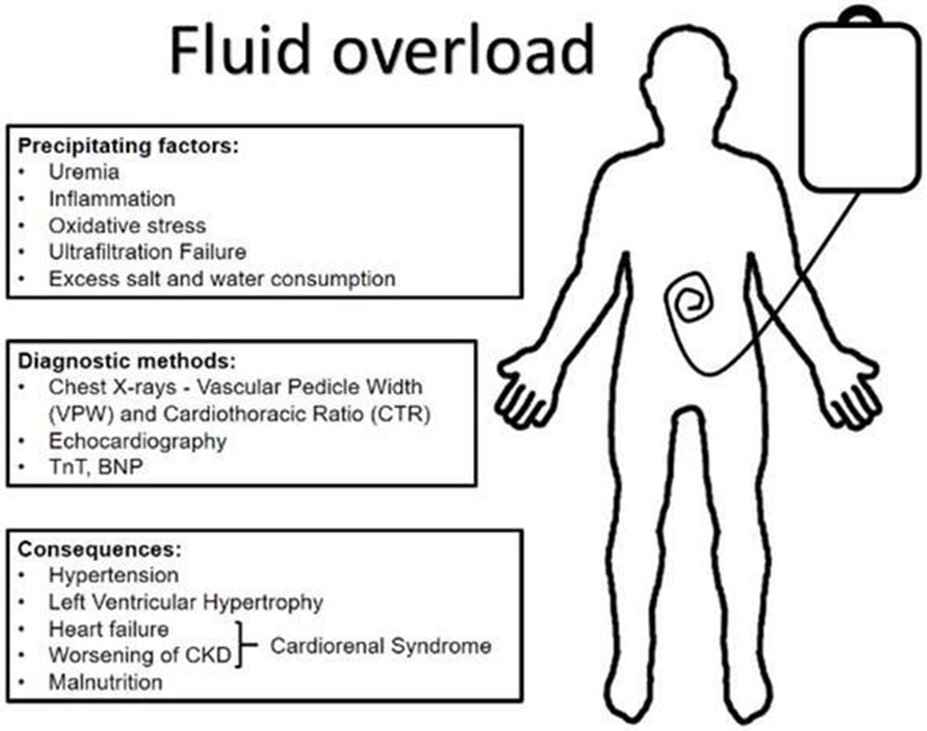
A client is receiving IV fluids at 150 mL/hr. Which of the following findings indicates that the client is experiencing fluid overload?
A. Oliguria
This is incorrect because oliguria, or decreased urine output, is a sign of fluid volume deficit, not fluid volume overload.
B. Bradycardia
This is incorrect because bradycardia, or slow heart rate, is not a typical sign of fluid volume overload, unless the client has a cardiac condition that affects the heart's response to fluid overload.
C. Dyspnea
This is correct because dyspnea, or difficulty breathing, is a common sign of fluid volume overload, as excess fluid accumulates in the lungs and impairs gas exchange.
D. Poor skin turgor
This is incorrect because poor skin turgor, or decreased elasticity of the skin, is a sign of dehydration, not fluid volume overload.
Full Explanation
- A. Oliguria. This is incorrect because oliguria, or decreased urine output, is a sign of fluid volume deficit, not fluid volume overload.
- B. Bradycardia. This is incorrect because bradycardia, or slow heart rate, is not a typical sign of fluid volume overload, unless the client has a cardiac condition that affects the heart's response to fluid overload.
- C. Dyspnea. This is correct because dyspnea, or difficulty breathing, is a common sign of fluid volume overload, as excess fluid accumulates in the lungs and impairs gas exchange.
- D. Poor skin turgor. This is incorrect because poor skin turgor, or decreased elasticity of the skin, is a sign of dehydration, not fluid volume overload.