
Nursing practice questions with comprehensive rationales
NurseDive Free Nursing Practice Question
A nurse is caring for a client who has fractures of the symphysis pubis and pelvis. The nurse should monitor the client for which of the following findings of a common complication of pelvic fractures?
A. Hematuria
Hematuria: This is the correct answer. Hematuria, which is the presence of blood in the urine, can be a common complication of pelvic fractures. This occurs due to the potential injury to the bladder or other structures within the pelvis. Monitoring for hematuria is crucial in assessing potential internal injuries and ensuring appropriate management.
B. Impaired taste
Impaired taste: Impaired taste is not typically associated with pelvic fractures. It is more likely related to conditions involving the sense of taste or other unrelated factors. It is not a common complication of pelvic fractures.
C. Diarrhea
Diarrhea: Diarrhea is not a common complication of pelvic fractures. It is more likely to be caused by gastrointestinal issues, infections, dietary factors, or other medical conditions. It is not directly related to pelvic fractures or their complications.
D. Increased thirst
Increased thirst: Increased thirst is not a common complication of pelvic fractures. It may be related to various factors such as dehydration, certain medical conditions like diabetes, or side effects of medications. It is not a direct consequence of pelvic fractures or their associated complications.
This question is an excerpt from Nurse Dive's nursing test bank - ATI Med Surg Proctored Exam 6. Take the full exam now
Full Explanation
A. Hematuria: This is the correct answer. Hematuria, which is the presence of blood in the urine, can be a common complication of pelvic fractures. This occurs due to the potential injury to the bladder or other structures within the pelvis. Monitoring for hematuria is crucial in assessing potential internal injuries and ensuring appropriate management.
B. Impaired taste: Impaired taste is not typically associated with pelvic fractures. It is more likely related to conditions involving the sense of taste or other unrelated factors. It is not a common complication of pelvic fractures.
C. Diarrhea: Diarrhea is not a common complication of pelvic fractures. It is more likely to be caused by gastrointestinal issues, infections, dietary factors, or other medical conditions. It is not directly related to pelvic fractures or their complications.
D. Increased thirst: Increased thirst is not a common complication of pelvic fractures. It may be related to various factors such as dehydration, certain medical conditions like diabetes, or side effects of medications. It is not a direct consequence of pelvic fractures or their associated complications.
Similar Questions
A nurse is caring for a client who has acute osteomyelitis. Which of the following interventions is the nurse's priority?
A. Increase the client's protein intake.
Increasing the client's protein intake is important for overall healing, but it is not the top priority in the acute phase of osteomyelitis. The immediate priority is to administer antibiotics to address the infection.
B. Administer antibiotics to the client.
This is the correct answer. Administering antibiotics is the top priority in the treatment of acute osteomyelitis. Timely administration of appropriate antibiotics is crucial in eradicating the infection and preventing further complications.
C. Provide the client with antipyretic therapy.
Providing the client with antipyretic therapy (to reduce fever) is important, but it is secondary to administering antibiotics. The underlying infection must be addressed first and foremost.
D. Teach relaxation breathing to reduce the client's pain.
Teaching relaxation breathing to reduce pain may be beneficial for the client's comfort, but it is not the priority intervention. Controlling the infection with antibiotics takes precedence.
Full Explanation
A. Increasing the client's protein intake is important for overall healing, but it is not the top priority in the acute phase of osteomyelitis. The immediate priority is to administer antibiotics to address the infection.
B. This is the correct answer. Administering antibiotics is the top priority in the treatment of acute osteomyelitis. Timely administration of appropriate antibiotics is crucial in eradicating the infection and preventing further complications.
C. Providing the client with antipyretic therapy (to reduce fever) is important, but it is secondary to administering antibiotics. The underlying infection must be addressed first and foremost.
D. Teaching relaxation breathing to reduce pain may be beneficial for the client's comfort, but it is not the priority intervention. Controlling the infection with antibiotics takes precedence.
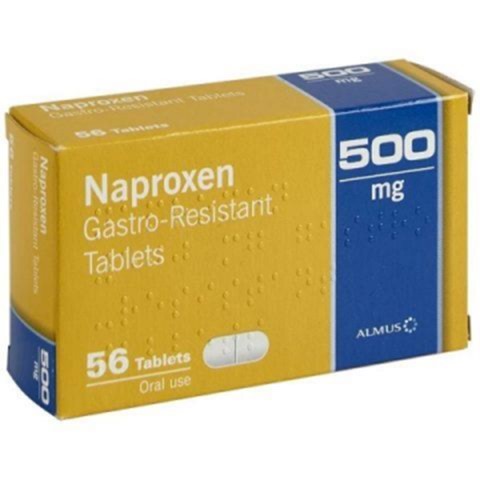
A nurse is preparing to administer naproxen 500 mg PO BID for a client who has osteoarthritis. The amount available is naproxen 125 mg/5 mL oral suspension. How many mL should the nurse administer per dose?
(Round the answer to the nearest whole number. Use a leading zero if it applies. Do not use a trailing zero.)
Full Explanation
- To calculate the dose of naproxen oral suspension, use the following formula: Dose (mL) = Desired dose (mg) / Available dose (mg/mL)
- In this case, the desired dose is 500 mg and the available dose is 125 mg/5 mL, which is equivalent to 25 mg/mL
- Plug in the values into the formula: Dose (mL) = 500 mg / 25 mg/mL - Simplify the expression: Dose (mL) = 20 mL
- Round the answer to the nearest whole number: Dose (mL) = 20 mL
- The nurse should administer 20 mL of naproxen oral suspension per dose
A nurse is caring for a client who has an acute ankle sprain. Which of the following actions should the nurse take? (Select all that apply.)
A. Place a compression bandage on the ankle.
Place a compression bandage on the ankle. - This helps reduce swelling and provides support to the injured area.
B. Apply heat to the ankle.
Apply heat to the ankle - This action is not recommended for acute sprains as it can increase swelling. Cold packs or ice should be used initially to reduce inflammation.
C. Encourage rest.
Encourage rest. - Rest is important to allow the ankle to heal properly and prevent further injury.
D. Elevate the ankle.
Elevate the ankle. - Elevating the ankle helps reduce swelling by allowing fluid to drain away from the injured area.
E. Perform passive range-of-motion exercises to the ankle.
- Gentle range-of-motion exercises can help prevent stiffness in the ankle joint. However, it's important to perform these exercises within the limits of comfort and not force any movements.
Full Explanation
A. Place a compression bandage on the ankle.
- This helps reduce swelling and provides support to the injured area.
B. Apply heat to the ankle
- This action is not recommended for acute sprains as it can increase swelling. Cold packs or ice should be used initially to reduce inflammation.
C. Encourage rest.
- Rest is important to allow the ankle to heal properly and prevent further injury.
D. Elevate the ankle.
- Elevating the ankle helps reduce swelling by allowing fluid to drain away from the injured area.
E. Perform passive range-of-motion exercises to the ankle.
- Gentle range-of-motion exercises can help prevent stiffness in the ankle joint. However, it's important to perform these exercises within the limits of comfort and not force any movements.