
Nursing practice questions with comprehensive rationales
NurseDive Free Nursing Practice Question
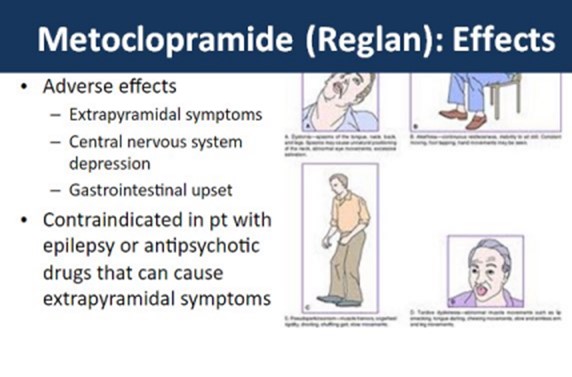
A nurse is caring for a client who has gastroesophageal disease and a prescription for metoclopramide. For which of the following adverse effects should the monitor?
A. Sedation
Metoclopramide is a medication commonly used to treat gastrointestinal disorders such as gastroesophageal reflux disease (GERD). While it is generally well-tolerated, it can have some adverse effects. Sedation is one of the common side effects of metoclopramide. It can cause drowsiness, dizziness, and a feeling of tiredness in some individuals. Therefore, the nurse should monitor the client for any signs of sedation or excessive drowsiness, especially when the client starts taking the medication or when the dose is increased.
B. Hypertension
C. Urinary retention
D. Blurred vision
This question is an excerpt from Nurse Dive's nursing test bank - Gastro Urinary Systems Medication Proctored Exam. Take the full exam now
Full Explanation
Metoclopramide is a medication commonly used to treat gastrointestinal disorders such as gastroesophageal reflux disease (GERD). While it is generally well-tolerated, it can have some adverse effects. Sedation is one of the common side effects of metoclopramide. It can cause drowsiness, dizziness, and a feeling of tiredness in some individuals. Therefore, the nurse should monitor the client for any signs of sedation or excessive drowsiness, especially when the client starts taking the medication or when the dose is increased.
Hypertension: Metoclopramide is not known to cause hypertension (high blood pressure) as a common side effect. In fact, it may have a mild hypotensive (blood pressure-lowering) effect in some individuals.
Urinary retention: Metoclopramide does not typically cause urinary retention. Instead, it can enhance gastrointestinal motility and increase the frequency of bowel movements.
Blurred vision: While visual disturbances are rare adverse effects of metoclopramide, blurred vision is not a commonly reported side effect. However, other visual disturbances like oculogyric crisis (involuntary rolling back of the eyes) have been reported in rare cases. Nevertheless, monitoring for blurred vision specifically is not a priority when administering metoclopramide.
Similar Questions
A nurse is collecting data from a client who has been taking omeprazole for the past 4 weeks. The nurse determines that the medication is effective when the client reports relief from which of the following symptoms?
A. Acid indigestion
Omeprazole is a proton pump inhibitor (PPI) commonly prescribed to reduce stomach acid production. It is frequently used to treat conditions such as gastroesophageal reflux disease (GERD) and peptic ulcer disease. Acid indigestion, characterized by a burning sensation in the chest or upper abdomen, is a common symptom of excessive stomach acid. While omeprazole can indirectly alleviate certain symptoms associated with excessive stomach acid, it is not typically used to directly treat or relieve symptoms such as nausea, diarrhea, or headaches. Other medications or interventions may be more suitable for managing these specific symptoms.
B. Nausea
C. Diarrhea
D. Headache
Full Explanation
Omeprazole is a proton pump inhibitor (PPI) commonly prescribed to reduce stomach acid production. It is frequently used to treat conditions such as gastroesophageal reflux disease (GERD) and peptic ulcer disease. Acid indigestion, characterized by a burning sensation in the chest or upper abdomen, is a common symptom of excessive stomach acid.
While omeprazole can indirectly alleviate certain symptoms associated with excessive stomach acid, it is not typically used to directly treat or relieve symptoms such as nausea, diarrhea, or headaches. Other medications or interventions may be more suitable for managing these specific symptoms.
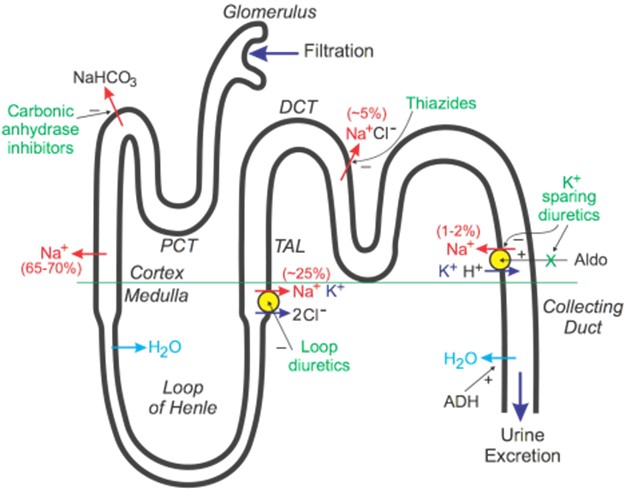
A nurse is caring for a client who is taking furosemide. For which of the following adverse effects should the nurse monitor?
A. Hypervolemia
B. Hypertension
C. Hypoglycemia
D. Hypokalemia
Furosemide is a loop diuretic that helps the body get rid of excess fluid by increasing urine output. However, it also promotes the loss of potassium in the urine, leading to a potential decrease in the body's potassium levels.
Full Explanation
Furosemide is a loop diuretic that helps the body get rid of excess fluid by increasing urine output. However, it also promotes the loss of potassium in the urine, leading to a potential decrease in the body's potassium levels.
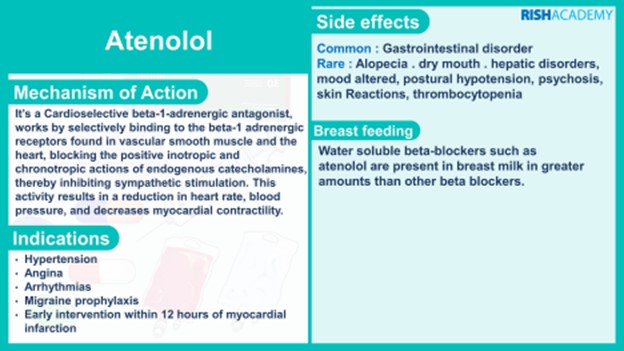
A nurse caring for a client who has a new prescription for atenolol. For which of the following adverse effects should the nurse monitor the clients
A. Hypokalemia
B. Bradycardia
Atenolol is a beta-blocker medication commonly used to treat conditions such as hypertension (high blood pressure) and certain heart rhythm disorders. One of the intended effects of atenolol is to lower the heart rate by blocking the action of adrenaline on beta receptors in the heart. However, this can sometimes result in bradycardia, which refers to a heart rate that is slower than the normal range. Hypokalemia, or low potassium levels, is not directly caused by atenolol but can be an indirect effect. Beta-blockers like atenolol can potentially interfere with the normal release of insulin and contribute to increased urinary excretion of potassium. Therefore, it's important to monitor potassium levels in clients taking atenolol, as low potassium levels can have adverse effects on various body systems. Anemia and neutropenia are not typically associated with the use of atenolol. Anemia refers to a decrease in the number of red blood cells or a decrease in the amount of hemoglobin, which carries oxygen to the body tissues. Neutropenia refers to a decrease in the number of neutrophils, which are a type of white blood cell involved in fighting infection.
C. Anemia
D. Neutropenia
Full Explanation
Atenolol is a beta-blocker medication commonly used to treat conditions such as hypertension (high blood pressure) and certain heart rhythm disorders. One of the intended effects of atenolol is to lower the heart rate by blocking the action of adrenaline on beta receptors in the heart. However, this can sometimes result in bradycardia, which refers to a heart rate that is slower than the normal range.
Hypokalemia, or low potassium levels, is not directly caused by atenolol but can be an indirect effect. Beta-blockers like atenolol can potentially interfere with the normal release of insulin and contribute to increased urinary excretion of potassium. Therefore, it's important to monitor potassium levels in clients taking atenolol, as low potassium levels can have adverse effects on various body systems.
Anemia and neutropenia are not typically associated with the use of atenolol. Anemia refers to a decrease in the number of red blood cells or a decrease in the amount of hemoglobin, which carries oxygen to the body tissues. Neutropenia refers to a decrease in the number of neutrophils, which are a type of white blood cell involved in fighting infection.