
Nursing practice questions with comprehensive rationales
NurseDive Free Nursing Practice Question
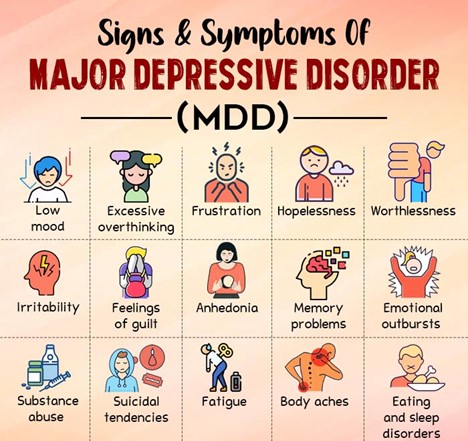
A nurse is caring for a client who has major depressive disorder and attempted suicide. The client tells the nurse, "I should have died because I am totally worthless." Which of the following responses should the nurse make?
A. "You've been feeling that your life has no meaning."
This response reflects active listening and acknowledges the client's emotions. It reflects the client's feelings and encourages them to express more about their emotions and thoughts. It shows empathy and understanding, which can help build trust and rapport.
B. "You have a great deal to live for."
"You have a great deal to live for" may seem dismissive and does not address the client's current feelings of worthlessness.
C. "It's not unusual for depressed people to feel that way."
"It's not unusual for depressed people to feel that way" can come across as minimizing the client's unique experience and does not provide support or encourage further discussion.
D. "Why do you feel you are worthless?"
"Why do you feel you are worthless?" might make the client feel defensive or overwhelmed, and it does not offer the same level of empathy and support as reflecting their feelings would.
This question is an excerpt from Nurse Dive's nursing test bank - ATI Mental Health Proctored Exam. Take the full exam now
Full Explanation
A. "You've been feeling that your life has no meaning."This response reflects active listening and acknowledges the client's emotions. It reflects the client's feelings and encourages them to express more about their emotions and thoughts. It shows empathy and understanding, which can help build trust and rapport.
B. "You have a great deal to live for" may seem dismissive and does not address the client's current feelings of worthlessness.
C. "It's not unusual for depressed people to feel that way" can come across as minimizing the client's unique experience and does not provide support or encourage further discussion.
D. "Why do you feel you are worthless?" might make the client feel defensive or overwhelmed, and it does not offer the same level of empathy and support as reflecting their feelings would.
Similar Questions
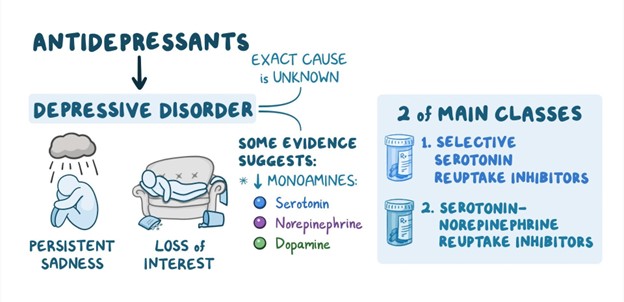
A nurse is caring for a client who has major depressive disorder and was prescribed citalopram 2 weeks ago with a planned dosage increase 1 week ago. The client reports having an improved appetite, but still feels very depressed and is still having trouble sleeping. Which of the following actions should the nurse take?
A. Speak to the provider about adding an MAOI to the current medication regimen.
This action might be premature. MAOIs (Monoamine Oxidase Inhibitors) are a class of antidepressants with specific dietary and medication interactions. They are typically considered when other classes of antidepressants have not been effective. It's important to exhaust other options before considering a switch to MAOIs.
B. Explain that antidepressants often take several weeks to be fully effective.
This is an appropriate response. Antidepressants, including citalopram, can take several weeks to show their full therapeutic effects. It's common for some symptoms to improve before others. Educating the client about the delayed onset of action is important to manage their expectations.
C. Tell the client that the provider will need to change citalopram to a different medication.
It might be too early to consider changing the medication after just two weeks, especially since the client reports an improved appetite. Changes in dosage or medication should ideally be discussed with the provider after an adequate trial period.
D. Recommend a sleep study be done on the client
While sleep problems can be associated with depression, it might not be the most appropriate next step based solely on the information provided. It's more important to address the ongoing depressive symptoms before focusing solely on sleep.
Full Explanation
This action might be premature. MAOIs (Monoamine Oxidase Inhibitors) are a class of antidepressants with specific dietary and medication interactions. They are typically considered when other classes of antidepressants have not been effective. It's important to exhaust other options before considering a switch to MAOIs.
B. Explain that antidepressants often take several weeks to be fully effective:
Explanation: Correct Answer. This is an appropriate response. Antidepressants, including citalopram, can take several weeks to show their full therapeutic effects. It's common for some symptoms to improve before others. Educating the client about the delayed onset of action is important to manage their expectations.
C. Tell the client that the provider will need to change citalopram to a different medication:
Explanation: It might be too early to consider changing the medication after just two weeks, especially since the client reports an improved appetite. Changes in dosage or medication should ideally be discussed with the provider after an adequate trial period.
D. Recommend a sleep study be done on the client:
Explanation: While sleep problems can be associated with depression, it might not be the most appropriate next step based solely on the information provided. It's more important to address the ongoing depressive symptoms before focusing solely on sleep.
A nurse is teaching a newly licensed nurse about appropriate actions to take when a client threatens to harm a specific individual. Which of the following statements by the newly licensed nurse indicates understanding?
A. “I need to make sure that the potential victim is warned."
When a client threatens to harm a specific individual, it's important to take steps to ensure the safety of both the client and the potential victim. Warning the potential victim or taking appropriate measures to protect them is an important action to take.
B. "I need to keep the information confidential due to the client's right to privacy."
While respecting a client's right to privacy is important, when there's a threat of harm to an individual, it becomes a matter of safety that takes precedence over confidentiality.
C. “I can only discuss the client's threats with a court order."
This statement is incorrect. When there's a credible threat to harm an individual, waiting for a court order is not an appropriate or timely response. Immediate actions should be taken to ensure safety.
D. "I should verbally report this information to the psychiatrist."
While involving the psychiatrist is important for the client's overall care, it's essential to take more immediate steps to ensure the safety of the potential victim, such as notifying the appropriate authorities or taking appropriate precautions.
Full Explanation
A. "I need to make sure that the potential victim is warned."
Explanation: Correct Answer. When a client threatens to harm a specific individual, it's important to take steps to ensure the safety of both the client and the potential victim. Warning the potential victim or taking appropriate measures to protect them is an important action to take.
B. "I need to keep the information confidential due to the client's right to privacy."
Explanation: While respecting a client's right to privacy is important, when there's a threat of harm to an individual, it becomes a matter of safety that takes precedence over confidentiality.
C. "I can only discuss the client's threats with a court order."
Explanation: This statement is incorrect. When there's a credible threat to harm an individual, waiting for a court order is not an appropriate or timely response. Immediate actions should be taken to ensure safety.
D. "I should verbally report this information to the psychiatrist."
Explanation: While involving the psychiatrist is important for the client's overall care, it's essential to take more immediate steps to ensure the safety of the potential victim, such as notifying the appropriate authorities or taking appropriate precautions.
A client becomes very dejected and states, "No one really cares what happens to me. Life isn't worth living anymore." Which of the following responses should the nurse make?
A. Tell me who you think doesn't care about you."
This response might come across as confrontational or defensive, which could discourage the client from opening up further. It's important to offer support and understanding rather than putting the client on the spot.
B. "Of course people care. Your family comes to visit every day."
While it's true that the client's family visits, depression often distorts perception and emotions. Telling the client that people care might not be fully effective in addressing their feelings of worthlessness.
C. "Why do you feel that way?
This response opens the door for the client to express their emotions and thoughts. It encourages further conversation and helps the nurse understand the underlying causes of the client's feelings.
D. "I care about you, and I am concerned that you feel so sad."
This response shows empathy and genuine concern for the client's well-being. It acknowledges the client's emotions, offers support, and validates their feelings.
Full Explanation
A. "Tell me who you think doesn't care about you."
Explanation: This response might come across as confrontational or defensive, which could discourage the client from opening up further. It's important to offer support and understanding rather than putting the client on the spot.
B. "Of course people care. Your family comes to visit every day."
Explanation: While it's true that the client's family visits, depression often distorts perception and emotions. Telling the client that people care might not be fully effective in addressing their feelings of worthlessness.
C. "Why do you feel that way?"
Explanation: This response opens the door for the client to express their emotions and thoughts. It encourages further conversation and helps the nurse understand the underlying causes of the client's feelings.
D. "I care about you, and I am concerned that you feel so sad."
Explanation: Correct Answer. This response shows empathy and genuine concern for the client's well-being. It acknowledges the client's emotions, offers support, and validates their feelings.