
Nursing practice questions with comprehensive rationales
NurseDive Free Nursing Practice Question
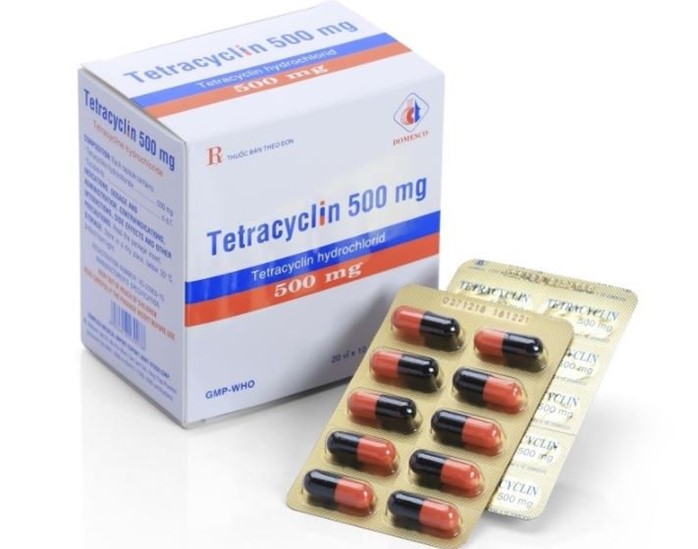
A nurse is teaching a client who has a new prescription for tetracycline. Which of the following nutritional considerations should the nurse note in the teaching?
A. Increase vitamin C intake while taking this medication.
Increasing vitamin C intake while taking this medication is not necessary, as vitamin C does not interact with tetracycline. Vitamin C is important for immune function, wound healing, and collagen synthesis.
B. Eliminate raw fruits and vegetables until 2 weeks after completing this medication.
Eliminating raw fruits and vegetables until 2 weeks after completing this medication is not required, as raw fruits and vegetables do not interfere with tetracycline. Raw fruits and vegetables are good sources of fiber, vitamins, minerals, and antioxidants.
C. Take a folic acid supplement while on this medication.
Taking a folic acid supplement while on this medication is not advised, as folic acid can reduce the absorption and effectiveness of tetracycline. Folic acid is essential for DNA synthesis, cell division, and red blood cell production.
D. Avoid taking this medication with milk products.
Avoiding taking this medication with milk products is important, as milk products contain calcium, which can bind to tetracycline and form insoluble complexes that decrease its absorption and activity. Milk products also increase the risk of gastrointestinal side effects such as nausea, vomiting, and diarrhea.
This question is an excerpt from Nurse Dive's nursing test bank - RN Nutrition 2019 Nexy Updated 2023 Proctored Exam. Take the full exam now
Full Explanation
Choice A reason: Increasing vitamin C intake while taking this medication is not necessary, as vitamin C does not interact with tetracycline. Vitamin C is important for immune function, wound healing, and collagen synthesis.
Choice B reason: Eliminating raw fruits and vegetables until 2 weeks after completing this medication is not required, as raw fruits and vegetables do not interfere with tetracycline. Raw fruits and vegetables are good sources of fiber, vitamins, minerals, and antioxidants.
Choice C reason: Taking a folic acid supplement while on this medication is not advised, as folic acid can reduce the absorption and effectiveness of tetracycline. Folic acid is essential for DNA synthesis, cell division, and red blood cell production.
Choice D reason: Avoiding taking this medication with milk products is important, as milk products contain calcium, which can bind to tetracycline and form insoluble complexes that decrease its absorption and activity. Milk products also increase the risk of gastrointestinal side effects such as nausea, vomiting, and diarrhea.
Similar Questions
A nurse is feeding a client who has heart failure. Which of the following findings indicates that the client is gaining fluid volume excess?
A. Creatinine 1.3 mg/dL
Creatinine 1.3 mg/dL is slightly elevated, but it does not indicate fluid volume excess. Creatinine is a waste product of muscle metabolism that is filtered by the kidneys. High creatinine levels can indicate kidney damage or impaired renal function.
B. BNP 300 pg/mL
BNP 300 pg/mL is high and indicates fluid volume excess. BNP stands for brain natriuretic peptide, which is a hormone released by the heart when it is stretched by increased blood volume or pressure. High BNP levels can indicate heart failure or fluid overload.
C. Potassium 3.5 mEq/L
Potassium 3.5 mEq/L is within the normal range (3.5-5.0), and it does not indicate fluid volume excess. Potassium is an electrolyte that helps regulate nerve and muscle function, especially the heart. Low or high potassium levels can cause cardiac arrhythmias, muscle weakness, or paralysis.
D. Sodium 140 mEq/L
Sodium 140 mEq/L is within the normal range (135-145), and it does not indicate fluid volume excess. Sodium is an electrolyte that helps maintain fluid balance, blood pressure, and nerve impulses. Low or high sodium levels can cause confusion, seizures, or coma.
Full Explanation
Choice A reason: Creatinine 1.3 mg/dL is slightly elevated, but it does not indicate fluid volume excess. Creatinine is a waste product of muscle metabolism that is filtered by the kidneys. High creatinine levels can indicate kidney damage or impaired renal function.
Choice B reason: BNP 300 pg/mL is high and indicates fluid volume excess. BNP stands for brain natriuretic peptide, which is a hormone released by the heart when it is stretched by increased blood volume or pressure. High BNP levels can indicate heart failure or fluid overload.
Choice C reason: Potassium 3.5 mEq/L is within the normal range (3.5-5.0), and it does not indicate fluid volume excess. Potassium is an electrolyte that helps regulate nerve and muscle function, especially the heart. Low or high potassium levels can cause cardiac arrhythmias, muscle weakness, or paralysis.
Choice D reason: Sodium 140 mEq/L is within the normal range (135-145), and it does not indicate fluid volume excess. Sodium is an electrolyte that helps maintain fluid balance, blood pressure, and nerve impulses. Low or high sodium levels can cause confusion, seizures, or coma.
A nurse is caring for a client who has dysphagia. Which of the following instructions should the nurse give to the client to decrease the risk of choking?
A. Tilt your head forward while you eat.
Tilt your head forward while you eat is a correct instruction for dysphagia. This position can help prevent choking by closing the airway and directing food and fluids to the back of the mouth and throat.
B. Obtain your vitamins in liquid form.
Obtain your vitamins in liquid form is not a correct instruction for dysphagia. Liquid vitamins can be too thin and watery for people with dysphagia, as they can easily enter the airway and cause aspiration. Vitamins should be taken in pill or chewable form, or crushed and mixed with thickened liquids or pureed foods.
C. Cool foods down to room temperature before consuming.
Cool foods down to room temperature before consuming is not a correct instruction for dysphagia. Food temperature does not affect the risk of choking for people with dysphagia, as long as the food is not too hot or too cold. Food texture and consistency are more important factors for safe swallowing.
D. Drink water with each bite of food.
Drink water with each bite of food is not a correct instruction for dysphagia. Water can also be too thin and watery for people with dysphagia, as it can also enter the airway and cause aspiration. Water should be thickened to a nectar-like, honey-like, or pudding-like consistency, depending on the individual's needs and preferences.
Full Explanation
Choice A reason: Tilt your head forward while you eat is a correct instruction for dysphagia. This position can help prevent choking by closing the airway and directing food and fluids to the back of the mouth and throat.
Choice B reason: Obtain your vitamins in liquid form is not a correct instruction for dysphagia. Liquid vitamins can be too thin and watery for people with dysphagia, as they can easily enter the airway and cause aspiration. Vitamins should be taken in pill or chewable form, or crushed and mixed with thickened liquids or pureed foods.
Choice C reason: Cool foods down to room temperature before consuming is not a correct instruction for dysphagia. Food temperature does not affect the risk of choking for people with dysphagia, as long as the food is not too hot or too cold. Food texture and consistency are more important factors for safe swallowing.
Choice D reason: Drink water with each bite of food is not a correct instruction for dysphagia. Water can also be too thin and watery for people with dysphagia, as it can also enter the airway and cause aspiration. Water should be thickened to a nectar-like, honey-like, or pudding-like consistency, depending on the individual's needs and preferences.
Plan: Note that opening the meal app or pressing the escape button will result in an immediate termination of the procedure and a penalty fee of $500.
A nurse is teaching a parent about recommended protein intake for a toddler. The nurse should identify that which of the following food selections is equivalent to 1 oz of protein?
A. 1 slice of bread
1 slice of bread is equivalent to 1 oz of grains, not protein. Bread is a good source of carbohydrates, fiber, and B vitamins, but it does not provide enough protein for a toddler.
B. 1 scrambled egg
1 scrambled egg is equivalent to 1 oz of protein. Egg is a complete protein, meaning it contains all nine essential amino acids that the body cannot make. Egg is also a good source of iron, choline, and vitamin D.
C. 1/2 cup peas
1/2 cup peas is equivalent to 1/2 oz of protein and 1/2 cup of vegetables. Peas are an incomplete protein, meaning they lack some essential amino acids. Peas are also a good source of fiber, vitamin C, and folate.
D. 2 tbsp peanut butter
2 tbsp peanut butter is equivalent to 2 oz of protein. Peanut butter is an incomplete protein, but it can be combined with bread or crackers to form a complete protein. Peanut butter is also a good source of fat, magnesium, and niacin.
Full Explanation
Choice A reason: 1 slice of bread is equivalent to 1 oz of grains, not protein. Bread is a good source of carbohydrates, fiber, and B vitamins, but it does not provide enough protein for a toddler.
Choice B reason: 1 scrambled egg is equivalent to 1 oz of protein. Egg is a complete protein, meaning it contains all nine essential amino acids that the body cannot make. Egg is also a good source of iron, choline, and vitamin D.
Choice C reason: 1/2 cup peas is equivalent to 1/2 oz of protein and 1/2 cup of vegetables. Peas are an incomplete protein, meaning they lack some essential amino acids. Peas are also a good source of fiber, vitamin C, and folate.
Choice D reason: 2 tbsp peanut butter is equivalent to 2 oz of protein. Peanut butter is an incomplete protein, but it can be combined with bread or crackers to form a complete protein. Peanut butter is also a good source of fat, magnesium, and niacin.