Nursing practice questions with comprehensive rationales
NurseDive Free Nursing Practice Question
A nurse is caring for a client who has postural hypotension. The nurse assists the client gradually from a lying down to standing position. The nurse should identify that which of the following findings indicates the intervention is effective?
A. The client’s systolic blood pressure decreases from 110 mm Hg to 105 mm Hg.
Postural hypotension, also known as orthostatic hypotension, is a form of low blood pressure that occurs when standing up from a sitting or lying down position 1. An effective intervention for postural hypotension would be one that helps to prevent a significant drop in blood pressure when the client changes position. A small decrease in systolic blood pressure, such as from 110 mm Hg to 105 mm Hg, would indicate that the intervention is effective in preventing a larger drop in blood pressure.
B. The client reports nausea.
C. The client’s heart rate increases from 100/min to 108/min.
D. The client reports dizziness.
This question is an excerpt from Nurse Dive's nursing test bank - NURS 100 fundamentals swami test 14.18.23 proctored exam. Take the full exam now
Full Explanation
Postural hypotension, also known as orthostatic hypotension, is a form of low blood pressure that occurs when standing up from a sitting or lying down position 1. An effective intervention for postural hypotension would be one that helps to prevent a significant drop in blood pressure when the client changes position. A small decrease in systolic blood pressure, such as from 110 mm Hg to 105 mm Hg, would indicate that the intervention is effective in preventing a larger drop in blood pressure.

Similar Questions
A nurse sees smoke coming from the central supply room. Which of the following actions should the nurse take first?
A. Stay close to the ground
B. Walk to a safe area
C. Wrap clients in blankets
D. Close all the doors
In case of a fire, it is important to contain the smoke and flames by closing all doors . This can help prevent the spread of fire and smoke to other areas of the hospital and provide more time for evacuation. After closing all doors, the nurse should follow the hospital’s fire safety plan and take further actions as necessary.
Full Explanation
In case of a fire, it is important to contain the smoke and flames by closing all doors . This can help prevent the spread of fire and smoke to other areas of the hospital and provide more time for evacuation. After
closing all doors, the nurse should follow the hospital’s fire safety plan and take further actions as necessary.
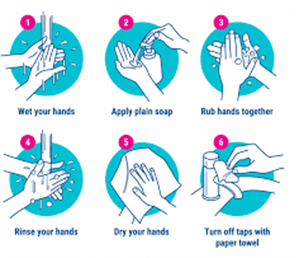
A nurse is observing a newly licensed nurse perform hand hygiene. Which of the following actions by the newly licensed nurse indicates an understanding of the procedure?
A. Turns off the faucet with their hands
B. Holds their hands below the elbows while rinsing off soap
According to the CDC, practicing hand hygiene is a simple yet effective way to prevent infections in healthcare settings. Hand hygiene means cleaning your hands by washing with soap and water or using an alcohol-based hand sanitizer. When washing hands with soap and water, healthcare workers should wash their hands for at least 20 seconds1. Holding their hands below the elbows while rinsing off soap is a proper hand hygiene technique
C. Uses hot water to wash their hands
D. Washes their hands for 10 seconds
Full Explanation
According to the CDC, practicing hand hygiene is a simple yet effective way to prevent infections in healthcare settings. Hand hygiene means cleaning your hands by washing with soap and water or using an alcohol-based hand sanitizer. When washing hands with soap and water, healthcare workers should wash their hands for at least 20 seconds1. Holding their hands below the elbows while rinsing off soap is a proper hand hygiene technique
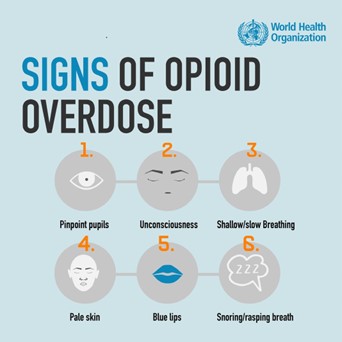
A nurse is assessing a client who has opioid toxicity. Which of the following findings should the nurse expect?
A. Heart rate 112/min
B. Blood pressure 168/90 mm Hg
C. Respiratory rate 10/min
Opioid toxicity can cause difficulties with breathing and an opioid overdose can lead to death1. A respiratory rate of 10/min is considered low and could be a sign of opioid toxicity.
D. Temperature 38.2°C (100.8°F)
Full Explanation
Opioid toxicity can cause difficulties with breathing and an opioid overdose can lead to death1. A respiratory rate of 10/min is considered low and could be a sign of opioid toxicity.