Nursing practice questions with comprehensive rationales
NurseDive Free Nursing Practice Question
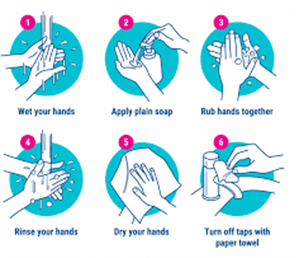
A nurse is observing a newly licensed nurse perform hand hygiene. Which of the following actions by the newly licensed nurse indicates an understanding of the procedure?
A. Turns off the faucet with their hands
B. Holds their hands below the elbows while rinsing off soap
According to the CDC, practicing hand hygiene is a simple yet effective way to prevent infections in healthcare settings. Hand hygiene means cleaning your hands by washing with soap and water or using an alcohol-based hand sanitizer. When washing hands with soap and water, healthcare workers should wash their hands for at least 20 seconds1. Holding their hands below the elbows while rinsing off soap is a proper hand hygiene technique
C. Uses hot water to wash their hands
D. Washes their hands for 10 seconds
This question is an excerpt from Nurse Dive's nursing test bank - NURS 100 fundamentals swami test 14.18.23 proctored exam. Take the full exam now
Full Explanation
According to the CDC, practicing hand hygiene is a simple yet effective way to prevent infections in healthcare settings. Hand hygiene means cleaning your hands by washing with soap and water or using an alcohol-based hand sanitizer. When washing hands with soap and water, healthcare workers should wash their hands for at least 20 seconds1. Holding their hands below the elbows while rinsing off soap is a proper hand hygiene technique
Similar Questions
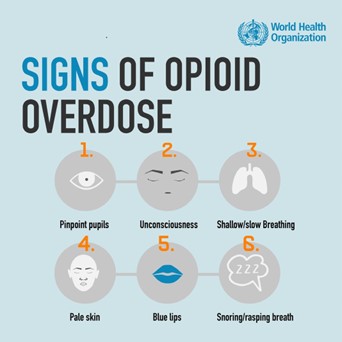
A nurse is assessing a client who has opioid toxicity. Which of the following findings should the nurse expect?
A. Heart rate 112/min
B. Blood pressure 168/90 mm Hg
C. Respiratory rate 10/min
Opioid toxicity can cause difficulties with breathing and an opioid overdose can lead to death1. A respiratory rate of 10/min is considered low and could be a sign of opioid toxicity.
D. Temperature 38.2°C (100.8°F)
Full Explanation
Opioid toxicity can cause difficulties with breathing and an opioid overdose can lead to death1. A respiratory rate of 10/min is considered low and could be a sign of opioid toxicity.
A nurse is caring for a client who is experiencing a seizure. Which of the following actions should the nurse take?
A. Place the client in the prone position.
B. Place a towel under the client’s head.
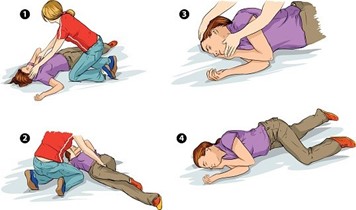
When someone is having a seizure, it is important to protect their head from injury. One way to do this is by placing something soft and flat, like a folded jacket or towel, under their head1. It is also important to stay with the person until the seizure ends and they are fully awake, and to help them sit in a safe place after it ends1
C. Place a towel under the client’s head
D. Leave the client to get help.
Full Explanation
When someone is having a seizure, it is important to protect their head from injury. One way to do this is by placing something soft and flat, like a folded jacket or towel, under their head1. It is also important to stay with the person until the seizure ends and they are fully awake, and to help them sit in a safe place after it ends1
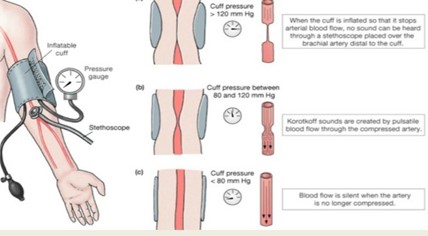
A nurse is preparing to obtain an electronic blood pressure measurement on a client. Which of the following actions should the nurse plan to take?
A. Select a cuff that covers 50% of the client’s upper arm.
B. Place the blood pressure cuff 5 cm (2 in) above the client’s antecubital space.
C. Elevate the client’s arm above the level of the heart.
When taking an electronic blood pressure measurement, it is important to properly position the cuff on the client’s arm. The artery indicator on the blood pressure cuff should be aligned with the client’s brachial artery1. It is also important to select a cuff that fits properly and to have the client sit comfortably with their back supported and feet flat on the ground2.
D. Align the artery indicator on the blood pressure cuff with the client’s brachial artery.
Full Explanation
When taking an electronic blood pressure measurement, it is important to properly position the cuff on the client’s arm. The artery indicator on the blood pressure cuff should be aligned with the client’s brachial artery1. It is also important to select a cuff that fits properly and to have the client sit comfortably with their back supported and feet flat on the ground2.