
Nursing practice questions with comprehensive rationales
NurseDive Free Nursing Practice Question
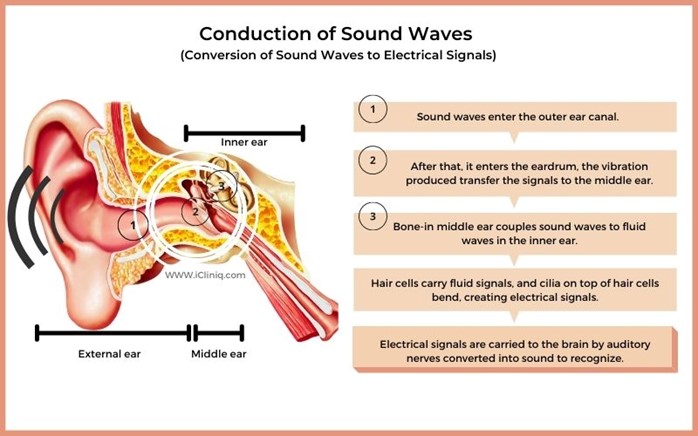
A nurse is caring for a client who has progressive presbycusis. Which of the following actions should the nurse take?
A. Use sign language when communicating with the client.
reason: This is incorrect because using sign language when communicating with the client is not an appropriate action for the nurse to take. Sign language is a form of communication that uses hand gestures, facial expressions, and body movements. It is not a universal language and requires training and practice. The nurse should not assume that the client knows or prefers sign language, unless they have indicated so.
B. Speak loudly and into the client's good ear.
reason: This is incorrect because speaking loudly and into the client's good ear is not an appropriate action for the nurse to take. Speaking loudly can distort the sound quality and cause discomfort or irritation to the client. Speaking into the client's good ear can also create a sense of imbalance and isolation. The nurse should speak at a normal volume and tone, and face the client directly.
C. Speak directly to the client in a normal, clear voice.
reason: This is the correct answer because speaking directly to the client in a normal, clear voice is an appropriate action for the nurse to take. Speaking directly to the client can help them see the nurse's mouth movements and facial expressions, which can enhance understanding and communication. Speaking in a normal, clear voice can help convey the message clearly and respectfully.
D. Sit by the client's side and speak very slowly.
reason: This is incorrect because sitting by the client's side and speaking very slowly is not an appropriate action for the nurse to take. Sitting by the client's side can make it difficult for them to see the nurse's face and hear their voice. Speaking very slowly can also make the message unclear and patronizing. The nurse should sit in front of the client and speak at a normal pace.
This question is an excerpt from Nurse Dive's nursing test bank - ATI Med Surg Proctored Exam 4. Take the full exam now
Full Explanation
Choice A reason: This is incorrect because using sign language when communicating with the client is not an appropriate action for the nurse to take. Sign language is a form of communication that uses hand gestures, facial expressions, and body movements. It is not a universal language and requires training and practice. The nurse should not assume that the client knows or prefers sign language unless they have indicated so.
Choice B reason: This is incorrect because speaking loudly and into the client's good ear is not an appropriate action for the nurse to take. Speaking loudly can distort the sound quality and cause discomfort or irritation to the client. Speaking into the client's good ear can also create a sense of imbalance and isolation. The nurse should speak at a normal volume and tone, and face the client directly.
Choice C reason: This is the correct answer because speaking directly to the client in a normal, clear voice is an appropriate action for the nurse to take. Speaking directly to the client can help them see the nurse's mouth movements and facial expressions, which can enhance understanding and communication. Speaking in a normal, clear voice can help convey the message clearly and respectfully.
Choice D reason: This is incorrect because sitting by the client's side and speaking very slowly is not an appropriate action for the nurse to take. Sitting by the client's side can make it difficult for them to see the nurse's face and hear their voice. Speaking very slowly can also make the message unclear and patronizing. The nurse should sit in front of the client and speak at a normal pace.
Similar Questions
A nurse is caring for a client who has progressive presbycusis. Which of the following actions should the nurse take?
A. Use sign language when communicating with the client.
reason: This is incorrect because using sign language when communicating with the client is not an appropriate action for the nurse to take. Sign language is a form of communication that uses hand gestures, facial expressions, and body movements. It is not a universal language and requires training and practice. The nurse should not assume that the client knows or prefers sign language unless they have indicated so.
B. Speak loudly and into the client's good ear.
reason: This is incorrect because speaking loudly and into the client's good ear is not an appropriate action for the nurse to take. Speaking loudly can distort the sound quality and cause discomfort or irritation to the client. Speaking into the client's good ear can also create a sense of imbalance and isolation. The nurse should speak at a normal volume and tone, and face the client directly.
C. Speak directly to the client in a normal, clear voice.
reason: This is the correct answer because speaking directly to the client in a normal, clear voice is an appropriate action for the nurse to take. Speaking directly to the client can help them see the nurse's mouth movements and facial expressions, which can enhance understanding and communication. Speaking in a normal, clear voice can help convey the message clearly and respectfully.
D. Sit by the client's side and speak very slowly.
reason: This is incorrect because sitting by the client's side and speaking very slowly is not an appropriate action for the nurse to take. Sitting by the client's side can make it difficult for them to see the nurse's face and hear their voice. Speaking very slowly can also make the message unclear and patronizing. The nurse should sit in front of the client and speak at a normal pace.
Full Explanation
Choice A reason: This is incorrect because using sign language when communicating with the client is not an appropriate action for the nurse to take. Sign language is a form of communication that uses hand gestures, facial expressions, and body movements. It is not a universal language and requires training and practice. The nurse should not assume that the client knows or prefers sign language unless they have indicated so.
Choice B reason: This is incorrect because speaking loudly and into the client's good ear is not an appropriate action for the nurse to take. Speaking loudly can distort the sound quality and cause discomfort or irritation to the client. Speaking into the client's good ear can also create a sense of imbalance and isolation. The nurse should speak at a normal volume and tone, and face the client directly.
Choice C reason: This is the correct answer because speaking directly to the client in a normal, clear voice is an appropriate action for the nurse to take. Speaking directly to the client can help them see the nurse's mouth movements and facial expressions, which can enhance understanding and communication. Speaking in a normal, clear voice can help convey the message clearly and respectfully.
Choice D reason: This is incorrect because sitting by the client's side and speaking very slowly is not an appropriate action for the nurse to take. Sitting by the client's side can make it difficult for them to see the nurse's face and hear their voice. Speaking very slowly can also make the message unclear and patronizing. The nurse should sit in front of the client and speak at a normal pace.
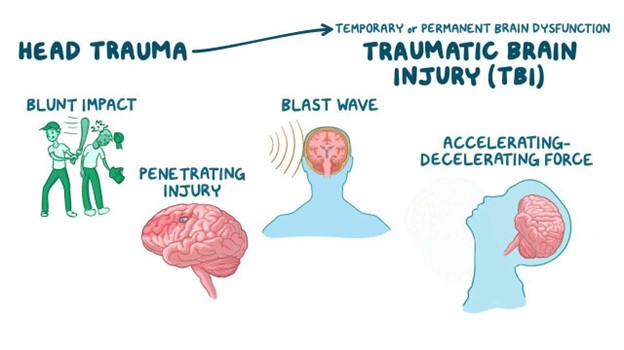
A nurse is assessing a client who has suffered a traumatic brain injury. When the nurse applies a stimuli to the client, which of the following responses by the client indicates that the client has suffered an extensive cervical spine injury?
A. Nystagmus
Reason: This is incorrect because nystagmus is not a response to stimuli, but a condition that causes involuntary eye movements. Nystagmus can be caused by various factors, such as inner ear disorders, brain lesions, or drug toxicity, but not necessarily by cervical spine injury.
B. Decorticate positioning
Reason: This is incorrect because decorticate positioning is a response to stimuli that indicates damage to the cerebral cortex or the corticospinal tract. Decorticate positioning is characterized by flexion of the arms and extension of the legs. It does not indicate cervical spine injury, which affects the spinal cord below the brainstem.
C. Lack of any response
Reason: This is incorrect because lack of any response to stimuli can indicate various levels of brain damage or coma, but not specifically cervical spine injury. Lack of any response can also be influenced by other factors, such as sedation, hypothermia, or shock.
D. Decerebrate positioning
Reason: This is correct because decerebrate positioning is a response to stimuli that indicates damage to the brainstem or the upper cervical spine. Decerebrate positioning is characterized by extension and outward rotation of the arms and legs. It indicates a severe and life-threatening injury that can impair vital functions, such as breathing and blood pressure.
Full Explanation
Choice A Reason: This is incorrect because nystagmus is not a response to stimuli, but a condition that causes involuntary eye movements. Nystagmus can be caused by various factors, such as inner ear disorders, brain lesions, or drug toxicity, but not necessarily by cervical spine injury.
Choice B Reason: This is incorrect because decorticate positioning is a response to stimuli that indicates damage to the cerebral cortex or the corticospinal tract. Decorticate positioning is characterized by flexion of the arms and extension of the legs. It does not indicate cervical spine injury, which affects the spinal cord below the brainstem.
Choice C Reason: This is incorrect because lack of any response to stimuli can indicate various levels of brain damage or coma, but not specifically cervical spine injury. Lack of any response can also be influenced by other factors, such as sedation, hypothermia, or shock.
Choice D Reason: This is correct because decerebrate positioning is a response to stimuli that indicates damage to the brainstem or the upper cervical spine. Decerebrate positioning is characterized by extension and outward rotation of the arms and legs. It indicates a severe and life-threatening injury that can impair vital functions, such as breathing and blood pressure.
A client asks the nurse to explain what metabolic syndrome is. Which of the following will the nurse include in education about risk factors for this syndrome? (Select all that apply.)
A. Clinical obesity defined by abnormally high BMI or waist circumference
Choice A Reason: This is correct because clinical obesity is a risk factor for metabolic syndrome. Clinical obesity is defined by having a body mass index (BMI) of 30 or higher, or a waist circumference of more than 40 inches for men or 35 inches for women. Obesity can increase insulin resistance and inflammation, which can lead to metabolic syndrome.
B. Elevated blood pressure
Choice B Reason: This is correct because elevated blood pressure is a risk factor for metabolic syndrome. Elevated blood pressure is defined by having a systolic blood pressure of 130 mm Hg or higher, or a diastolic blood pressure of 85 mm Hg or higher. High blood pressure can damage the blood vessels and increase the risk of cardiovascular disease, which is associated with metabolic syndrome.
C. High triglycerides
Choice C Reason: This is correct because high triglycerides are a risk factor for metabolic syndrome. Triglycerides are a type of fat that circulates in the blood and provides energy for the cells. High triglycerides are defined by having a level of 150 mg/dL or higher. High triglycerides can increase the risk of fatty liver disease and pancreatitis, which are related to metabolic syndrome.
D. Hypercholesterolemia
Choice D Reason: This is correct because hypercholesterolemia is a risk factor for metabolic syndrome. Hypercholesterolemia is defined by having a total cholesterol level of 200 mg/dL or higher, or a low-density lipoprotein (LDL) cholesterol level of 100 mg/dL or higher. LDL cholesterol is also known as "bad" cholesterol because it can build up in the arteries and cause plaque formation and narrowing, which can lead to cardiovascular disease and metabolic syndrome.
E. Hyperglycemia
Choice E Reason: This is correct because hyperglycemia is a risk factor for metabolic syndrome. Hyperglycemia is defined by having a fasting blood glucose level of 100 mg/dL or higher, or a hemoglobin A1c level of 5.7% or higher. Hemoglobin A1c is a measure of average blood glucose over three months. Hyperglycemia can indicate impaired glucose metabolism and insulin resistance, which are hallmarks of metabolic syndrome.
Full Explanation
Choice A Reason: This is correct because clinical obesity is a risk factor for metabolic syndrome. Clinical obesity is defined by having a body mass index (BMI) of 30 or higher, or a waist circumference of more than 40 inches for men or 35 inches for women. Obesity can increase insulin resistance and inflammation, which can lead to metabolic syndrome.
Choice B Reason: This is correct because elevated blood pressure is a risk factor for metabolic syndrome. Elevated blood pressure is defined by having a systolic blood pressure of 130 mm Hg or higher, or a diastolic blood pressure of 85 mm Hg or higher. High blood pressure can damage the blood vessels and increase the risk of cardiovascular disease, which is associated with metabolic syndrome.
Choice C Reason: This is correct because high triglycerides are a risk factor for metabolic syndrome. Triglycerides are a type of fat that circulates in the blood and provides energy for the cells. High triglycerides are defined by having a level of 150 mg/dL or higher. High triglycerides can increase the risk of fatty liver disease and pancreatitis, which are related to metabolic syndrome.
Choice D Reason: This is correct because hypercholesterolemia is a risk factor for metabolic syndrome. Hypercholesterolemia is defined by having a total cholesterol level of 200 mg/dL or higher, or a low-density lipoprotein (LDL) cholesterol level of 100 mg/dL or higher. LDL cholesterol is also known as "bad" cholesterol because it can build up in the arteries and cause plaque formation and narrowing, which can lead to cardiovascular disease and metabolic syndrome.
Choice E Reason: This is correct because hyperglycemia is a risk factor for metabolic syndrome. Hyperglycemia is defined by having a fasting blood glucose level of 100 mg/dL or higher, or a hemoglobin A1c level of 5.7% or higher. Hemoglobin A1c is a measure of average blood glucose over three months. Hyperglycemia can indicate impaired glucose metabolism and insulin resistance, which are hallmarks of metabolic syndrome.