
Nursing practice questions with comprehensive rationales
NurseDive Free Nursing Practice Question
A nurse is caring for a client who has quadriplegia from a spinal cord injury and reports having a severe headache. The nurse obtains a blood pressure reading of 210/108 mm Hg and suspects the client is experiencing autonomic dysreflexia. Which of the following actions should the nurse take first?
A. Administer a nitrate antihypertensive.
Reason: This is incorrect because administering a nitrate antihypertensive is not the first action, as it may cause a rapid drop in blood pressure and worsen the client's condition.
B. Obtain the client's heart rate.
Reason: This is incorrect because obtaining the client's heart rate is not the first action, as it does not address the cause of autonomic dysreflexia or relieve the symptoms.
C. Assess the client for bladder distention.
Reason: This is incorrect because assessing the client for bladder distention is not the first action, as it may take time and delay the treatment of autonomic dysreflexia.
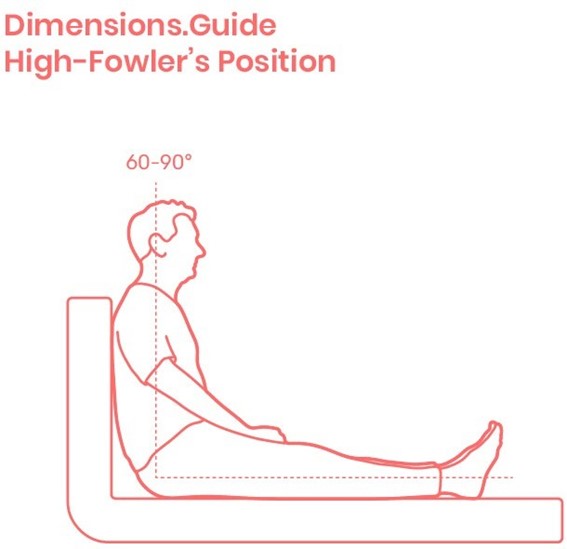
D. Place the client in a high-Fowler's position.
Reason: This is correct because placing the client in a high-Fowler's position is the first action, as it lowers the blood pressure by promoting venous return and reducing cardiac preload.
This question is an excerpt from Nurse Dive's nursing test bank - ATI Med Surg Custom N235 Final Summer 2023 Proctored Exam. Take the full exam now
Full Explanation
Choice A Reason: This is incorrect because administering a nitrate antihypertensive is not the first action, as it may cause a rapid drop in blood pressure and worsen the client's condition.
Choice B Reason: This is incorrect because obtaining the client's heart rate is not the first action, as it does not address the cause of autonomic dysreflexia or relieve the symptoms.
Choice C Reason: This is incorrect because assessing the client for bladder distention is not the first action, as it may take time and delay the treatment of autonomic dysreflexia.
Choice D Reason: This is correct because placing the client in a high-Fowler's position is the first action, as it lowers the blood pressure by promoting venous return and reducing cardiac preload.
Similar Questions
A nurse is caring for a client who has quadriplegia from a spinal cord injury and reports having a severe headache. The nurse obtains a blood pressure reading of 210/108 mm Hg and suspects the client is experiencing autonomic dysreflexia. Which of the following actions should the nurse take first?
A. Administer a nitrate antihypertensive.
Reason: This is incorrect because administering a nitrate antihypertensive is not the first action, as it may cause a rapid drop in blood pressure and worsen the client's condition.
B. Obtain the client's heart rate.
Reason: This is incorrect because obtaining the client's heart rate is not the first action, as it does not address the cause of autonomic dysreflexia or relieve the symptoms.
C. Assess the client for bladder distention.
Reason: This is incorrect because assessing the client for bladder distention is not the first action, as it may take time and delay the treatment of autonomic dysreflexia.
D. Place the client in a high-Fowler's position.
Reason: This is correct because placing the client in a high-Fowler's position is the first action, as it lowers the blood pressure by promoting venous return and reducing cardiac preload.
Full Explanation
Choice A Reason: This is incorrect because administering a nitrate antihypertensive is not the first action, as it may cause a rapid drop in blood pressure and worsen the client's condition.
Choice B Reason: This is incorrect because obtaining the client's heart rate is not the first action, as it does not address the cause of autonomic dysreflexia or relieve the symptoms.
Choice C Reason: This is incorrect because assessing the client for bladder distention is not the first action, as it may take time and delay the treatment of autonomic dysreflexia.
Choice D Reason: This is correct because placing the client in a high-Fowler's position is the first action, as it lowers the blood pressure by promoting venous return and reducing cardiac preload.
A nurse is prioritizing client care after receiving change-of-shift report. Which of the following clients should the nurse plan to see first?
A. A client who told an assistive personnel he is short of breath
Reason: This is correct because a client who is short of breath is in immediate danger, as it indicates a possible respiratory compromise or failure. The nurse should assess the client's oxygen saturation, respiratory rate, and lung sounds, and provide oxygen therapy as needed.
B. A client who received oral pain medication 30 min ago
Reason: This is incorrect because a client who received oral pain medication 30 min ago is not in immediate danger, as it indicates that the client's pain has been managed and the medication has had time to take effect.
C. A client who is scheduled for an abdominal x-ray and is awaiting transport
Reason: This is incorrect because a client who is scheduled for an abdominal x-ray and is awaiting transport is not in immediate danger, as it indicates that the client's condition is stable and the diagnostic test is not urgent.
D. A client who has a prescription for discharge
Reason: This is incorrect because a client who has a prescription for discharge is not in immediate danger, as it indicates that the client's condition has improved and the client is ready to leave the hospital.
Full Explanation
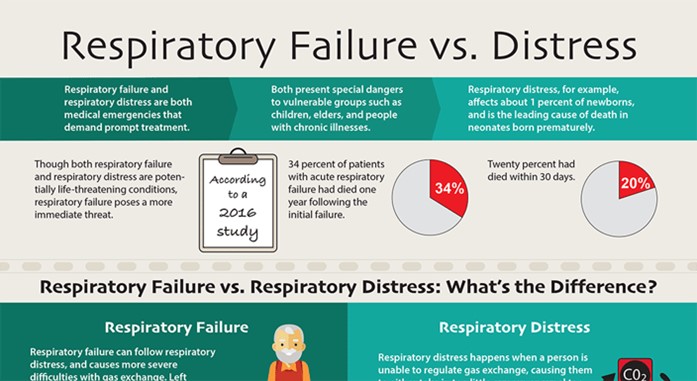
Choice A Reason: This is correct because a client who is short of breath is in immediate danger, as it indicates a possible respiratory compromise or failure. The nurse should assess the client's oxygen saturation, respiratory rate, and lung sounds, and provide oxygen therapy as needed.
Choice B Reason: This is incorrect because a client who received oral pain medication 30 min ago is not in immediate danger, as it indicates that the client's pain has been managed and the medication has had time to take effect.
Choice C Reason: This is incorrect because a client who is scheduled for an abdominal x-ray and is awaiting transport is not in immediate danger, as it indicates that the client's condition is stable and the diagnostic test is not urgent.
Choice D Reason: This is incorrect because a client who has a prescription for discharge is not in immediate danger, as it indicates that the client's condition has improved and the client is ready to leave the hospital.
A nurse is reviewing the arterial blood gas values for a client. The pH is 7.32, PaCO2 is 48 mm Hg and the HCO3 is 23 mEq/L. The nurse should recognize that these findings indicate which of the following acid-base imbalances?
A. Respiratory acidosis
Reason: This is correct because respiratory acidosis is characterized by a low pH and a high PaCO2, indicating that the client has impaired ventilation and excess carbon dioxide in the blood.
B. Respiratory alkalosis
Reason: This is incorrect because respiratory alkalosis is characterized by a high pH and a low PaCO2, indicating that the client has increased ventilation and reduced carbon dioxide in the blood.
C. Metabolic acidosis
Reason: This is incorrect because metabolic acidosis is characterized by a low pH and a low HCO3, indicating that the client has an excess of metabolic acids or a loss of base in the blood.
D. Metabolic alkalosis
Reason: This is incorrect because metabolic alkalosis is characterized by a high pH and a high HCO3, indicating that the client has an excess of base or a loss of metabolic acids in the blood.
Full Explanation
Choice A Reason: This is correct because respiratory acidosis is characterized by a low pH and a high PaCO2, indicating that the client has impaired ventilation and excess carbon dioxide in the blood.
Choice B Reason: This is incorrect because respiratory alkalosis is characterized by a high pH and a low PaCO2, indicating that the client has increased ventilation and reduced carbon dioxide in the blood.
Choice C Reason: This is incorrect because metabolic acidosis is characterized by a low pH and a low HCO3, indicating that the client has an excess of metabolic acids or a loss of base in the blood.
Choice D Reason: This is incorrect because metabolic alkalosis is characterized by a high pH and a high HCO3, indicating that the client has an excess of base or a loss of metabolic acids in the blood.