Nursing practice questions with comprehensive rationales
NurseDive Free Nursing Practice Question
A nurse is caring for a client who is exhibiting severe manifestations of serotonin syndrome. Which of the following is the priority nursing intervention?
A. Padding side rails to prevent injury.
While preventing injury is important, it is not the highest priority when the client's respiratory and neurological functions are compromised. Managing the client's breathing takes precedence.
B. Applying a cooling blanket.
While hyperthermia (high fever) is a symptom of serotonin syndrome, the immediate concern is ensuring the client's breathing and neurological stability. Cooling measures can be beneficial, but they come after addressing the more critical issues.
C. Administering an anticonvulsant.
While anticonvulsants might be used to control seizures, preparing for artificial ventilation takes priority, as the client's airway and oxygenation must be secured before addressing other symptoms.
D. Preparing for artificial ventilation.
Serotonin syndrome is a potentially life-threatening condition caused by an excess of serotonin in the body, often resulting from interactions between medications that affect serotonin levels. Severe manifestations of serotonin syndrome can include high fever, muscle rigidity, agitation, seizures, and even coma. In cases of severe serotonin syndrome, the client's neurological and respiratory functions can be compromised, making it crucial to ensure adequate ventilation and oxygenation.
This question is an excerpt from Nurse Dive's nursing test bank - ATI Mental Health Proctored Exam. Take the full exam now
Full Explanation
While preventing injury is important, it is not the highest priority when the client's respiratory and neurological functions are compromised. Managing the client's breathing takes precedence.
B. Applying a cooling blanket.
While hyperthermia (high fever) is a symptom of serotonin syndrome, the immediate concern is ensuring the client's breathing and neurological stability. Cooling measures can be beneficial, but they come after addressing the more critical issues.
C. Administering an anticonvulsant.
While anticonvulsants might be used to control seizures, preparing for artificial ventilation takes priority, as the client's airway and oxygenation must be secured before addressing other symptoms.
D. Preparing for artificial ventilation.
Explanation: Serotonin syndrome is a potentially life-threatening condition caused by an excess of serotonin in the body, often resulting from interactions between medications that affect serotonin levels. Severe manifestations of serotonin syndrome can include high fever, muscle rigidity, agitation, seizures, and even coma. In cases of severe serotonin syndrome, the client's neurological and respiratory functions can be compromised, making it crucial to ensure adequate ventilation and oxygenation.
Similar Questions
A nurse is teaching a client who has depression about a new prescription for fluoxetine 20 mg daily. Which of the following statements by the clients understanding of the teaching?
A. I will notice an improvement in my sex drive"
Fluoxetine and other SSRIs can actually have an impact on sexual desire and function as a side effect, often leading to decreased libido. This statement shows a misunderstanding of the medication's potential effects.
B. I should notify my provider if I develop a skin rash."
Fluoxetine is a selective serotonin reuptake inhibitor (SSRI) commonly used to treat depression. It's important for clients to be aware of potential side effects and know when to notify their healthcare provider. One potential serious side effect is an allergic reaction or skin rash, which could indicate an adverse response to the medication. Therefore, the client's statement about notifying the provider if a skin rash develops demonstrates their understanding of monitoring for potential adverse reactions.
C. "I should expect relief from depression within 3 to 4 days."
"Antidepressant medications like fluoxetine typically take several weeks to start showing significant improvements in symptoms. This statement reflects a misconception about the timeline for therapeutic effects.
D. "I will take my fluoxetine at bedtime so I can sleep better."
"Fluoxetine can have stimulating effects for some individuals, so it's often recommended to take it earlier in the day to avoid interference with sleep. Taking it at bedtime could potentially disrupt sleep rather than improve it.
Full Explanation
Fluoxetine and other SSRIs can actually have an impact on sexual desire and function as a side effect, often leading to decreased libido. This statement shows a misunderstanding of the medication's potential effects.
B. "I should notify my provider if I develop a skin rash."
Explanation: Fluoxetine is a selective serotonin reuptake inhibitor (SSRI) commonly used to treat depression. It's important for clients to be aware of potential side effects and know when to notify their healthcare provider. One potential serious side effect is an allergic reaction or skin rash, which could indicate an adverse response to the medication. Therefore, the client's statement about notifying the provider if a skin rash develops demonstrates their understanding of monitoring for potential adverse reactions.
C. "I should expect relief from depression within 3 to 4 days."
Antidepressant medications like fluoxetine typically take several weeks to start showing significant improvements in symptoms. This statement reflects a misconception about the timeline for therapeutic effects.
D. "I will take my fluoxetine at bedtime so I can sleep better."
Fluoxetine can have stimulating effects for some individuals, so it's often recommended to take it earlier in the day to avoid interference with sleep. Taking it at bedtime could potentially disrupt sleep rather than improve it.
A nurse is caring for a client who is hospitalized and says to the nurse, "My partner called and told me my boss hired someone to take my place." Which of the following responses should the nurse make?
A. "There really isn't much you can do about that until you are discharged."
"There really isn't much you can do about that until you are discharged." - This response dismisses the client's feelings and does not offer any support.
B. "You should call your boss and ask if you can have your job back."
This response is directive and may not address the client's emotional needs.
C. You must feel very concerned and disappointed by that information."
This response shows empathy and acknowledges the client's feelings without making judgments or offering solutions. It validates the client's emotions and opens up a supportive space for further discussion.
D. "I don't understand why your partner would upset you with news like that."
This response may be perceived as judgmental and does not show empathy or understanding.
Full Explanation
A. "There really isn't much you can do about that until you are discharged." - This response dismisses the client's feelings and does not offer any support.
B. "You should call your boss and ask if you can have your job back." - This response is directive and may not address the client's emotional needs.
C. "You must feel very concerned and disappointed by that information."
This response shows empathy and acknowledges the client's feelings without making judgments or offering solutions. It validates the client's emotions and opens up a supportive space for further discussion.
D. "I don't understand why your partner would upset you with news like that." - This response may be perceived as judgmental and does not show empathy or understanding.
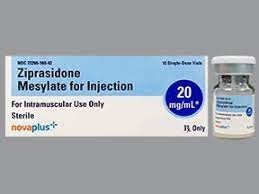
A nurse is preparing to administer ziprasidone 10 mg IM every 6 hr. Available is ziprasidone 20 mg/mL. How many mL should the nurse administer per dose? (Round the answer to the nearest tenth. Use a leading zero if it applies. Do not use a trailing zero.)
Full Explanation
To calculate the amount of ziprasidone 10 mg IM from the available concentration of 20 mg/mL, you can use the formula:
Amount (mL) = Desired Dose (mg) / Concentration (mg/mL)
Amount (mL) = 10 mg / 20 mg/mL
Amount (Ml) = 0.5 mL
Therefore, the nurse should administer 0.5 mL of ziprasidone per dose.