
Nursing practice questions with comprehensive rationales
NurseDive Free Nursing Practice Question
A nurse is caring for a client who is experiencing expressive aphasia and right hemiparesis following a stroke.
Which of the following actions by the nurse best promotes communication among staff caring for the client?
A. Posting swallowing precautions at the head of the client’s bed
This is wrong because posting swallowing precautions at the head of the client’s bed does not promote communication among staff, but rather informs them of the client’s risk of aspiration due to dysphagia, which is a common complication of stroke.
B. Noting changes in the treatment plan in the client’s medical record.
wrong because noting changes in the treatment plan in the client’s medical record is a standard practice that does not necessarily enhance communication among staff, but rather documents the client’s progress and interventions.
C. Having interdisciplinary team meetings for the client on a regular basis
This action best promotes communication among staff caring for the client because it allows for consistent and coordinated care planning, information sharing, and goal setting for the client who has expressive aphasia and right hemiparesis following a stroke.
D. Recording the client’s progress in the nurses’ notes
because recording the client’s progress in the nurses’ notes is also a standard practice that does not necessarily enhance communication among staff, but rather provides a summary of the client’s status and care. Expressive aphasia is an acquired language disorder that affects the ability to produce spoken or written language, while right hemiparesis is a weakness or partial paralysis of the right side of the body.
This question is an excerpt from Nurse Dive's nursing test bank - ATI Comprehensive Predictor 2023 Exit Proctored Exam A. Take the full exam now
Full Explanation
Having interdisciplinary team meetings for the client on a regular basis.
This action best promotes communication among staff caring for the client because it allows for consistent and coordinated care planning, information sharing, and goal setting for the client who has expressive aphasia and right hemiparesis following a stroke.
Choice A is wrong because posting swallowing precautions at the head of the client’s bed does not promote communication among staff, but rather informs them of the client’s risk of aspiration due to dysphagia, which is a common complication of stroke.
Choice B is wrong because noting changes in the treatment plan in the client’s medical record is a standard practice that does not necessarily enhance communication among staff, but rather documents the client’s progress and interventions.
Choice D is wrong because recording the client’s progress in the nurses’ notes is also a standard practice that does not necessarily enhance communication among staff but rather provides a summary of the client’s status and care.
Expressive aphasia is an acquired language disorder that affects the ability to produce spoken or written language, while right hemiparesis is a weakness or partial paralysis of the right side of the body.
Both of these conditions are caused by damage to the left hemisphere of the brain, which is responsible for language and motor control of the right side of the body. Stroke and traumatic brain injury are common causes of left hemisphere-damage
Similar Questions
A nurse is teaching a new parent about breastfeeding her 2-week-old infant.
Which of the following statements by the parent indicates an understanding of the teaching?
A. “The more my baby is at the breast sucking, the more milk I will produce.”.
The more my baby is at the breast sucking, the more milk I will produce.” This statement indicates an understanding of the teaching because it reflects the principle of supply and demand in breastfeeding. The more the baby stimulates the breast, the more milk the mother will produce.
B. “Manually expressing my milk will decrease my milk supply
wrong because manually expressing milk will not decrease the milk supply. In fact, it can help increase the milk supply by removing more milk from the breast and signaling the body to make more.
C. "After 5 to 10 minutes when the breast is emptied, my baby should be removed from the breast.”.
wrong because the breast is not emptied after 5 to 10 minutes of feeding. The baby should be allowed to nurse until they are satisfied and show signs of fullness, such as releasing the nipple, falling asleep, or turning away from the breast. The average duration of a feeding session can vary from 10 to 45 minutes.
D. “My baby should always start on the same breast when feeding.”
D is wrong because the baby should not always start on the same breast when feeding. The mother should alternate which breast she offers first to ensure both breasts are stimulated and drained equally.
Full Explanation
The correct answer is choice A. “The more my baby is at the breast sucking, the more milk I will produce.” This statement indicates an understanding of the teaching because it reflects the principle of supply and demand in breastfeeding. The more the baby stimulates the breast, the more milk the mother will produce.
Choice B is wrong because manually expressing milk will not decrease the milk supply. In fact, it can help increase the milk supply by removing more milk from the breast and signaling the body to make more.
Choice C is wrong because the breast is not emptied after 5 to 10 minutes of feeding. The baby should be allowed to nurse until they are satisfied and show signs of fullness, such as releasing the nipple, falling asleep, or turning away from the breast. The average duration of a feeding session can vary from 10 to 45 minutes.
Choice D is wrong because the baby should not always start on the same breast when feeding. The mother should alternate which breast she offers first to ensure both breasts are stimulated and drained equally.
This can help prevent engorgement, mastitis, and low milk supply. A simple way to remember which breast to start with is to wear a bracelet or a clip on the bra strap on the side that needs to be offered next.
A nurse is teaching a new parent about breastfeeding her 2-week-old infant.
Which of the following statements by the parent indicates an understanding of the teaching?
A. “The more my baby is at the breast sucking, the more milk I will produce.”.
The more my baby is at the breast sucking, the more milk I will produce.” This statement indicates an understanding of the teaching because it reflects the principle of supply and demand in breastfeeding. The more the baby stimulates the breast, the more milk the mother will produce.
B. “Manually expressing my milk will decrease my milk supply
wrong because manually expressing milk will not decrease the milk supply. In fact, it can help increase the milk supply by removing more milk from the breast and signaling the body to make more.
C. "After 5 to 10 minutes when the breast is emptied, my baby should be removed from the breast.”.
wrong because the breast is not emptied after 5 to 10 minutes of feeding. The baby should be allowed to nurse until they are satisfied and show signs of fullness, such as releasing the nipple, falling asleep, or turning away from the breast. The average duration of a feeding session can vary from 10 to 45 minutes.
D. “My baby should always start on the same breast when feeding.”
wrong because the baby should not always start on the same breast when feeding. The mother should alternate which breast she offers first to ensure both breasts are stimulated and drained equally.
Full Explanation
The correct answer is choice A. “The more my baby is at the breast sucking, the more milk I will produce.” This statement indicates an understanding of the teaching because it reflects the principle of supply and demand in breastfeeding. The more the baby stimulates the breast, the more milk the mother will produce.
Choice B is wrong because manually expressing milk will not decrease the milk supply. In fact, it can help increase the milk supply by removing more milk from the breast and signaling the body to make more.
Choice C is wrong because the breast is not emptied after 5 to 10 minutes of feeding. The baby should be allowed to nurse until they are satisfied and show signs of fullness, such as releasing the nipple, falling asleep, or turning away from the breast. The average duration of a feeding session can vary from 10 to 45 minutes.
Choice D is wrong because the baby should not always start on the same breast when feeding. The mother should alternate which breast she offers first to ensure both breasts are stimulated and drained equally.
This can help prevent engorgement, mastitis, and low milk supply. A simple way to remember which breast to start with is to wear a bracelet or a clip on the bra strap on the side that needs to be offered next.
A nurse is preparing to admit a 6-year-old with varicella to the pediatric unit.
Which of the following actions should the nurse take?
A. Administer aspirin to the child for fever
because aspirin should not be given to children with chickenpox, as it can cause a serious condition called Reye’s syndrome, which affects the brain and liver. Instead, acetaminophen can be used to reduce fever.
B. Use droplet precautions when caring for the child.
is wrong because droplet precautions are not enough to prevent the spread of chickenpox. Droplet precautions involve wearing a mask and gloves when in close contact with the patient, but they do not prevent the virus from traveling through the air. Airborne precautions, which include a negative air pressure room and wearing a respirator, are needed for chickenpox.
C. Assign the child to a negative air pressure room.
This is because varicella, or chickenpox, is a highly contagious disease caused by the varicellazoster virus (VZV), which can spread through the air or by direct contact with the fluid from the blisters. A negative air pressure room prevents the air from the room from circulating to other areas of the hospital, reducing the risk of transmission to other patients
D. Assess the child for Koplik spots
is wrong because Koplik spots are not a sign of chickenpox, but of measles, another viral infection that causes a rash. Chickenpox causes an itchy rash with small, fluid-filled blisters that crust over.
Full Explanation
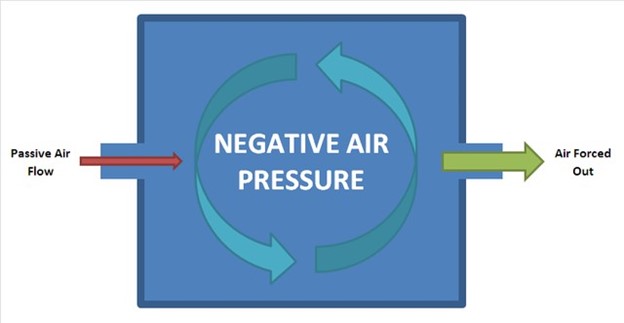
This is because varicella, or chickenpox, is a highly contagious disease caused by the varicellazoster virus (VZV), which can spread through the air or by direct contact with the fluid from the blisters. A negative air pressure room prevents the air from the room from circulating to other areas of the hospital, reducing the risk of transmission to other patients and staff.
Choice A is wrong because aspirin should not be given to children with chickenpox, as it can cause a serious condition called Reye’s syndrome, which affects the brain and liver. Instead, acetaminophen can be used to reduce fever.
Choice B is wrong because droplet precautions are not enough to prevent the spread of chickenpox. Droplet precautions involve wearing a mask and gloves when in close contact with the patient, but they do not prevent the virus from traveling through the air. Airborne precautions, which include a negative air pressure room and wearing a respirator, are needed for chickenpox.
Choice D is wrong because Koplik spots are not a sign of chickenpox, but of measles, another viral infection that causes a rash. Chickenpox causes an itchy rash with small, fluid-filled blisters that crust over.