
Nursing practice questions with comprehensive rationales
NurseDive Free Nursing Practice Question
A nurse is teaching a new parent about breastfeeding her 2-week-old infant.
Which of the following statements by the parent indicates an understanding of the teaching?
A. “The more my baby is at the breast sucking, the more milk I will produce.”.
The more my baby is at the breast sucking, the more milk I will produce.” This statement indicates an understanding of the teaching because it reflects the principle of supply and demand in breastfeeding. The more the baby stimulates the breast, the more milk the mother will produce.
B. “Manually expressing my milk will decrease my milk supply
wrong because manually expressing milk will not decrease the milk supply. In fact, it can help increase the milk supply by removing more milk from the breast and signaling the body to make more.
C. "After 5 to 10 minutes when the breast is emptied, my baby should be removed from the breast.”.
wrong because the breast is not emptied after 5 to 10 minutes of feeding. The baby should be allowed to nurse until they are satisfied and show signs of fullness, such as releasing the nipple, falling asleep, or turning away from the breast. The average duration of a feeding session can vary from 10 to 45 minutes.
D. “My baby should always start on the same breast when feeding.”
D is wrong because the baby should not always start on the same breast when feeding. The mother should alternate which breast she offers first to ensure both breasts are stimulated and drained equally.
This question is an excerpt from Nurse Dive's nursing test bank - ATI Comprehensive Predictor 2023 Exit Proctored Exam A. Take the full exam now
Full Explanation
The correct answer is choice A. “The more my baby is at the breast sucking, the more milk I will produce.” This statement indicates an understanding of the teaching because it reflects the principle of supply and demand in breastfeeding. The more the baby stimulates the breast, the more milk the mother will produce.
Choice B is wrong because manually expressing milk will not decrease the milk supply. In fact, it can help increase the milk supply by removing more milk from the breast and signaling the body to make more.
Choice C is wrong because the breast is not emptied after 5 to 10 minutes of feeding. The baby should be allowed to nurse until they are satisfied and show signs of fullness, such as releasing the nipple, falling asleep, or turning away from the breast. The average duration of a feeding session can vary from 10 to 45 minutes.
Choice D is wrong because the baby should not always start on the same breast when feeding. The mother should alternate which breast she offers first to ensure both breasts are stimulated and drained equally.
This can help prevent engorgement, mastitis, and low milk supply. A simple way to remember which breast to start with is to wear a bracelet or a clip on the bra strap on the side that needs to be offered next.
Similar Questions
A nurse is teaching a new parent about breastfeeding her 2-week-old infant.
Which of the following statements by the parent indicates an understanding of the teaching?
A. “The more my baby is at the breast sucking, the more milk I will produce.”.
The more my baby is at the breast sucking, the more milk I will produce.” This statement indicates an understanding of the teaching because it reflects the principle of supply and demand in breastfeeding. The more the baby stimulates the breast, the more milk the mother will produce.
B. “Manually expressing my milk will decrease my milk supply
wrong because manually expressing milk will not decrease the milk supply. In fact, it can help increase the milk supply by removing more milk from the breast and signaling the body to make more.
C. "After 5 to 10 minutes when the breast is emptied, my baby should be removed from the breast.”.
wrong because the breast is not emptied after 5 to 10 minutes of feeding. The baby should be allowed to nurse until they are satisfied and show signs of fullness, such as releasing the nipple, falling asleep, or turning away from the breast. The average duration of a feeding session can vary from 10 to 45 minutes.
D. “My baby should always start on the same breast when feeding.”
wrong because the baby should not always start on the same breast when feeding. The mother should alternate which breast she offers first to ensure both breasts are stimulated and drained equally.
Full Explanation
The correct answer is choice A. “The more my baby is at the breast sucking, the more milk I will produce.” This statement indicates an understanding of the teaching because it reflects the principle of supply and demand in breastfeeding. The more the baby stimulates the breast, the more milk the mother will produce.
Choice B is wrong because manually expressing milk will not decrease the milk supply. In fact, it can help increase the milk supply by removing more milk from the breast and signaling the body to make more.
Choice C is wrong because the breast is not emptied after 5 to 10 minutes of feeding. The baby should be allowed to nurse until they are satisfied and show signs of fullness, such as releasing the nipple, falling asleep, or turning away from the breast. The average duration of a feeding session can vary from 10 to 45 minutes.
Choice D is wrong because the baby should not always start on the same breast when feeding. The mother should alternate which breast she offers first to ensure both breasts are stimulated and drained equally.
This can help prevent engorgement, mastitis, and low milk supply. A simple way to remember which breast to start with is to wear a bracelet or a clip on the bra strap on the side that needs to be offered next.
A nurse is preparing to admit a 6-year-old with varicella to the pediatric unit.
Which of the following actions should the nurse take?
A. Administer aspirin to the child for fever
because aspirin should not be given to children with chickenpox, as it can cause a serious condition called Reye’s syndrome, which affects the brain and liver. Instead, acetaminophen can be used to reduce fever.
B. Use droplet precautions when caring for the child.
is wrong because droplet precautions are not enough to prevent the spread of chickenpox. Droplet precautions involve wearing a mask and gloves when in close contact with the patient, but they do not prevent the virus from traveling through the air. Airborne precautions, which include a negative air pressure room and wearing a respirator, are needed for chickenpox.
C. Assign the child to a negative air pressure room.
This is because varicella, or chickenpox, is a highly contagious disease caused by the varicellazoster virus (VZV), which can spread through the air or by direct contact with the fluid from the blisters. A negative air pressure room prevents the air from the room from circulating to other areas of the hospital, reducing the risk of transmission to other patients
D. Assess the child for Koplik spots
is wrong because Koplik spots are not a sign of chickenpox, but of measles, another viral infection that causes a rash. Chickenpox causes an itchy rash with small, fluid-filled blisters that crust over.
Full Explanation
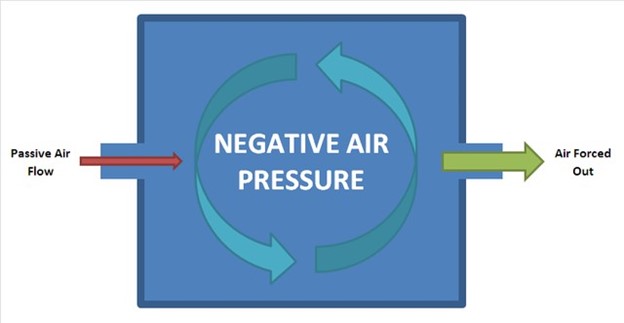
This is because varicella, or chickenpox, is a highly contagious disease caused by the varicellazoster virus (VZV), which can spread through the air or by direct contact with the fluid from the blisters. A negative air pressure room prevents the air from the room from circulating to other areas of the hospital, reducing the risk of transmission to other patients and staff.
Choice A is wrong because aspirin should not be given to children with chickenpox, as it can cause a serious condition called Reye’s syndrome, which affects the brain and liver. Instead, acetaminophen can be used to reduce fever.
Choice B is wrong because droplet precautions are not enough to prevent the spread of chickenpox. Droplet precautions involve wearing a mask and gloves when in close contact with the patient, but they do not prevent the virus from traveling through the air. Airborne precautions, which include a negative air pressure room and wearing a respirator, are needed for chickenpox.
Choice D is wrong because Koplik spots are not a sign of chickenpox, but of measles, another viral infection that causes a rash. Chickenpox causes an itchy rash with small, fluid-filled blisters that crust over.
A nurse in an acute care mental health facility is participating in a medication education group. The leader of the group uses a laissez-faire leadership style.
Which of the following actions should the nurse expect from the leader during the session?
A. The leader has group members vote on what they would like to learn about during the session.
A is wrong because having group members vote on what they would like to learn about during the session is an example of a democratic leadership style, not a laissez-faire one. A democratic leader solicits input and feedback from the group, and makes decisions based on consensus and majority rule.
B. The leader lectures about medication adverse effects to the group members.
is wrong because lecturing about medication adverse effects to the group members is an example of an authoritarian leadership style, not a laissez-faire one. An authoritarian leader dictates what the group should do and how they should do it, without considering their opinions or preferences.
C. The leader allows the group to discuss whatever they would like to regarding their medications.
This is because a laissez-faire leadership style is characterized by minimal guidance and direction from the leader, and maximum freedom and autonomy for the followers. The leader does not impose any rules or expectations on the group, and lets them decide how to manage their own learning and behavior.
D. The leader encourages group members to remain silent until questions are called for.
is wrong because encouraging group members to remain silent until questions are called for is an example of a paternalistic leadership style, not a laissez-faire one.
Full Explanation
The leader allows the group to discuss whatever they would like to regarding their medications.
This is because a laissez-faire leadership style is characterized by minimal guidance and direction from the leader, and maximum freedom and autonomy for the followers.
The leader does not impose any rules or expectations on the group, and lets them decide how to manage their own learning and behavior.
Choice A is wrong because having group members vote on what they would like to learn about during the session is an example of a democratic leadership style, not a laissez-faire one.
A democratic leader solicits input and feedback from the group, and makes decisions based on consensus and majority rule.
Choice B is wrong because lecturing about medication adverse effects to the group members is an example of an authoritarian leadership style, not a laissez-faire one.
An authoritarian leader dictates what the group should do and how they should do it, without considering their opinions or preferences.
Choice D is wrong because encouraging group members to remain silent until questions are called for is an example of a paternalistic leadership style, not a laissez-faire one.
A paternalistic leader treats the group as if they are incapable of making their own decisions, and assumes a protective and nurturing role over them.
Normal ranges for leadership styles are not applicable in this context, as different styles may be more or less effective depending on the situation and the goals of the group.
However, some general advantages and disadvantages of each style are:
- Laissez-faire: Advantages - fosters creativity, independence, and self-motivation; Disadvantages - may lead to chaos, confusion, and lack of accountability.
- Democratic: Advantages - promotes participation, collaboration, and satisfaction; Disadvantages - may be time-consuming, inefficient, and conflict-prone.
- Authoritarian: Advantages - provides clarity, direction, and control; Disadvantages - may cause resentment, resistance, and dependency.
- Paternalistic: Advantages - creates trust, loyalty, and commitment; Disadvantages - may inhibit growth, development, and empowerment.