
Nursing practice questions with comprehensive rationales
NurseDive Free Nursing Practice Question
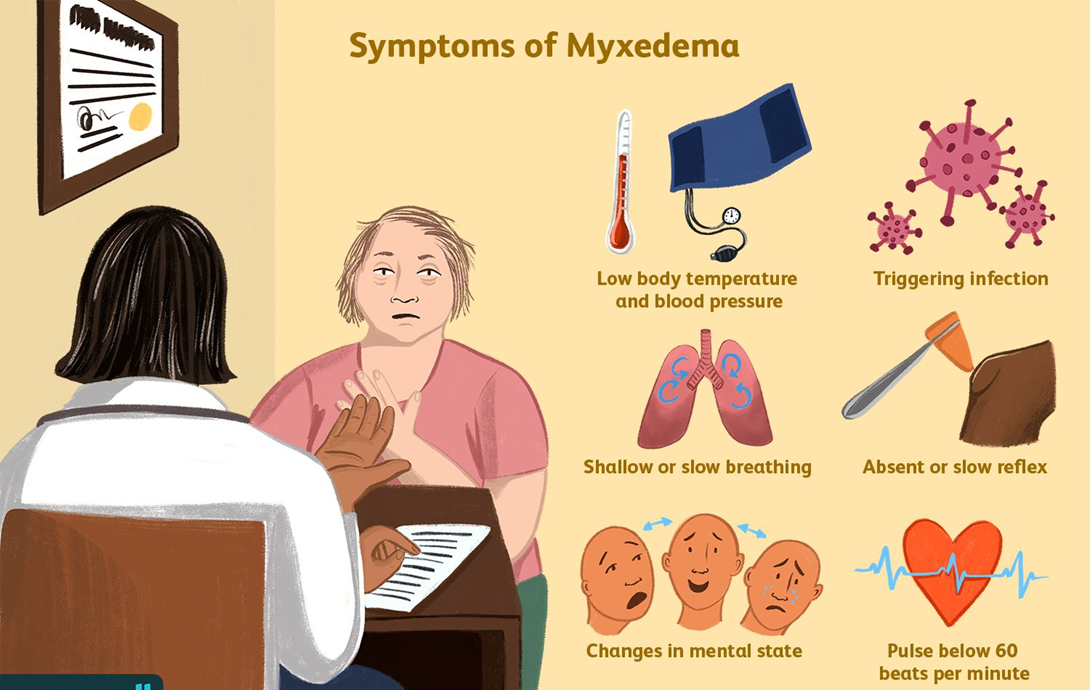
A nurse is caring for a client who is in a myxedema coma. Which of the following actions should the nurse take?
A. Place the client on aspiration precautions.
: Place the client on aspiration precautions: Myxedema coma is a severe form of hypothyroidism that can lead to decreased mental function and a reduced level of consciousness. These conditions increase the risk of aspiration, which can lead to pneumonia and other complications. Therefore, placing the client on aspiration precautions is crucial to prevent these risks. Aspiration precautions may include elevating the head of the bed, monitoring swallowing ability, and providing thickened liquids if necessary.
B. Turn the client every 4 hours.
: Turn the client every 4 hours: While turning the client regularly is important to prevent pressure ulcers, it is not the primary action needed for a client in a myxedema coma. The focus should be on stabilizing the client’s condition and preventing life-threatening complications such as aspiration, respiratory failure, and cardiovascular collapse.
C. Check the client’s blood pressure every 2 hours.
: Check the client’s blood pressure every 2 hours: Monitoring vital signs, including blood pressure, is essential for clients in a myxedema coma. However, it is not the most critical action compared to preventing aspiration. Blood pressure should be monitored regularly, but the frequency can be adjusted based on the client’s condition and stability.
D. Initiate measures to cool the client.
: Initiate measures to cool the client: Clients in a myxedema coma typically present with hypothermia (low body temperature), not hyperthermia (high body temperature). Therefore, initiating measures to cool the client would be inappropriate and could worsen their condition. Instead, measures to warm the client, such as using blankets and adjusting room temperature, are more appropriate.
This question is an excerpt from Nurse Dive's nursing test bank - Final Med Surg Comprehensive Proctored Exam (Brooklyn University). Take the full exam now
Full Explanation
Choice A Reason:
Place the client on aspiration precautions: Myxedema coma is a severe form of hypothyroidism that can lead to decreased mental function and a reduced level of consciousness. These conditions increase the risk of aspiration, which can lead to pneumonia and other complications. Therefore, placing the client on aspiration precautions is crucial to prevent these risks. Aspiration precautions may include elevating the head of the bed, monitoring swallowing ability, and providing thickened liquids if necessary.
Choice B Reason:
Turn the client every 4 hours: While turning the client regularly is important to prevent pressure ulcers, it is not the primary action needed for a client in a myxedema coma. The focus should be on stabilizing the client’s condition and preventing life-threatening complications such as aspiration, respiratory failure, and cardiovascular collapse.
Choice C Reason:
Check the client’s blood pressure every 2 hours: Monitoring vital signs, including blood pressure, is essential for clients in a myxedema coma. However, it is not the most critical action compared to preventing aspiration. Blood pressure should be monitored regularly, but the frequency can be adjusted based on the client’s condition and stability.
Choice D Reason:
Initiate measures to cool the client: Clients in a myxedema coma typically present with hypothermia (low body temperature), not hyperthermia (high body temperature). Therefore, initiating measures to cool the client would be inappropriate and could worsen their condition. Instead, measures to warm the client, such as using blankets and adjusting room temperature, are more appropriate.
Similar Questions
A nurse is caring for a client who has a serum potassium level of 5.5 mEq/L. The provider prescribes polystyrene sulfonate (Kayexalate). If this medication is effective, the nurse should expect which of the following changes on the client’s ECG? What other assessment finding would help the nurse determine if the Kayexalate is effective?
A. Assessment: Patient denies vomiting
: Assessment: Patient denies vomiting This choice is not directly related to the effectiveness of Kayexalate. Vomiting can be a symptom of hyperkalemia, but the absence of vomiting does not indicate that the medication is working. Kayexalate works by binding potassium in the intestines and removing it through the stool, so the presence of bowel movements is a more direct indicator of its effectiveness.
B. ECG: Flattening of QRS complex angle
: ECG: Flattening of QRS complex angle Flattening of the QRS complex angle is not a typical ECG change associated with hyperkalemia or its treatment. Hyperkalemia typically causes widening of the QRS complex, and effective treatment would normalize this. Therefore, this choice is not correct.
C. ECG: Widening of the QRS complex
: ECG: Widening of the QRS complex Widening of the QRS complex is a sign of hyperkalemia, not its resolution. If the medication is effective, the QRS complex should return to a normal width. Therefore, this choice is not correct.
D. Assessment: Patient consumed 60% of meal
: Assessment: Patient consumed 60% of meal While nutritional intake is important, it is not a direct indicator of the effectiveness of Kayexalate. The medication’s effectiveness is better assessed by changes in potassium levels and related symptoms, not by meal consumption.
E. Assessment: Patient denies nausea
: Assessment: Patient denies nausea Similar to vomiting, nausea can be a symptom of hyperkalemia, but the absence of nausea does not indicate that the medication is working. The effectiveness of Kayexalate is better assessed by the presence of bowel movements and changes in potassium levels.
F. Assessment: Patient had 2 semi-formed bowel movements 1 hour after administration of the medication
: Assessment: Patient had 2 semi-formed bowel movements 1 hour after administration of the medication This is the correct answer. Kayexalate works by binding potassium in the intestines and removing it through the stool. The presence of bowel movements indicates that the medication is working to remove potassium from the body. This is a direct and relevant assessment finding.
G. ECG: Shortening of P wave duration
: ECG: Shortening of P wave duration Shortening of the P wave duration is not a typical ECG change associated with hyperkalemia or its treatment. Therefore, this choice is not correct.
H. Assessment: Patient denies pain
: Assessment: Patient denies pain Pain is not a typical symptom of hyperkalemia, and its absence does not indicate that the medication is working. Therefore, this choice is not correct.
I. ECG: Reduction of T wave amplitude
: ECG: Reduction of T wave amplitude Reduction of T wave amplitude can be a sign of hypokalemia, not hyperkalemia. Effective treatment of hyperkalemia would normalize the T wave amplitude, not reduce it. Therefore, this choice is not correct.
Full Explanation
Assessment: Patient had 2 semi-formed bowel movements 1 hour after administration of the medication
Choice A Reason:
Assessment: Patient denies vomiting
This choice is not directly related to the effectiveness of Kayexalate. Vomiting can be a symptom of hyperkalemia, but the absence of vomiting does not indicate that the medication is working. Kayexalate works by binding potassium in the intestines and removing it through the stool, so the presence of bowel movements is a more direct indicator of its effectiveness.
Choice B Reason:
ECG: Flattening of QRS complex angle
Flattening of the QRS complex angle is not a typical ECG change associated with hyperkalemia or its treatment. Hyperkalemia typically causes widening of the QRS complex, and effective treatment would normalize this. Therefore, this choice is not correct.
Choice C Reason:
ECG: Widening of the QRS complex
Widening of the QRS complex is a sign of hyperkalemia, not its resolution. If the medication is effective, the QRS complex should return to a normal width. Therefore, this choice is not correct.
Choice D Reason:
Assessment: Patient consumed 60% of meal
While nutritional intake is important, it is not a direct indicator of the effectiveness of Kayexalate. The medication’s effectiveness is better assessed by changes in potassium levels and related symptoms, not by meal consumption.
Choice E Reason:
Assessment: Patient denies nausea
Similar to vomiting, nausea can be a symptom of hyperkalemia, but the absence of nausea does not indicate that the medication is working. The effectiveness of Kayexalate is better assessed by the presence of bowel movements and changes in potassium levels.
Choice F Reason:
Assessment: Patient had 2 semi-formed bowel movements 1 hour after administration of the medication
This is the correct answer. Kayexalate works by binding potassium in the intestines and removing it through the stool. The presence of bowel movements indicates that the medication is working to remove potassium from the body. This is a direct and relevant assessment finding.
Choice G Reason:
ECG: Shortening of P wave duration
Shortening of the P wave duration is not a typical ECG change associated with hyperkalemia or its treatment. Therefore, this choice is not correct.
Choice H Reason:
Assessment: Patient denies pain
Pain is not a typical symptom of hyperkalemia, and its absence does not indicate that the medication is working. Therefore, this choice is not correct.
Choice I Reason:
ECG: Reduction of T wave amplitude
Reduction of T wave amplitude can be a sign of hypokalemia, not hyperkalemia. Effective treatment of hyperkalemia would normalize the T wave amplitude, not reduce it. Therefore, this choice is not correct.
A nurse is preparing a client with Crohn’s disease for a barium enema. What should the nurse do the day before the test?
A. Encourage dietary intake
: Encourage dietary intake Encouraging dietary intake is generally important for maintaining nutritional status, but it is not specific to the preparation for a barium enema. The preparation for a barium enema typically involves dietary restrictions to ensure the colon is clear for the procedure. Therefore, this choice is not correct.
B. Encourage plenty of fat
: Encourage plenty of fat Encouraging plenty of fat is not appropriate for the preparation of a barium enema. High-fat foods can slow down the digestive process and may interfere with the clarity of the images obtained during the procedure. Therefore, this choice is not correct.
C. Serve dairy products
: Serve dairy products Serving dairy products is not recommended before a barium enema. Dairy products can cause gas and bloating, which can interfere with the procedure. Additionally, some patients may be lactose intolerant, which can further complicate the preparation. Therefore, this choice is not correct.
D. Order a high-fiber diet
: Order a high-fiber diet Ordering a high-fiber diet is the correct choice. A high-fiber diet helps to clear the intestines by promoting bowel movements. This is important for ensuring that the colon is empty and clear for the barium enema, which allows for better imaging and more accurate results.
Full Explanation
Order a high-fiber diet
Choice A Reason:
Encourage dietary intake
Encouraging dietary intake is generally important for maintaining nutritional status, but it is not specific to the preparation for a barium enema. The preparation for a barium enema typically involves dietary restrictions to ensure the colon is clear for the procedure. Therefore, this choice is not correct.
Choice B Reason:
Encourage plenty of fat
Encouraging plenty of fat is not appropriate for the preparation of a barium enema. High-fat foods can slow down the digestive process and may interfere with the clarity of the images obtained during the procedure. Therefore, this choice is not correct.
Choice C Reason:
Serve dairy products
Serving dairy products is not recommended before a barium enema. Dairy products can cause gas and bloating, which can interfere with the procedure. Additionally, some patients may be lactose intolerant, which can further complicate the preparation. Therefore, this choice is not correct.
Choice D Reason:
Order a high-fiber diet
Ordering a high-fiber diet is the correct choice. A high-fiber diet helps to clear the intestines by promoting bowel movements. This is important for ensuring that the colon is empty and clear for the barium enema, which allows for better imaging and more accurate results.
A nurse is assessing a client who has fluid overload. Which of the following findings should the nurse expect? (Select all that apply)
A. Increased temperature
Increased Respiratory Rate Fluid overload, also known as hypervolemia, can lead to an increased respiratory rate. This occurs because the excess fluid in the body can accumulate in the lungs, leading to pulmonary congestion and edema. As a result, the body attempts to compensate by increasing the respiratory rate to improve oxygenation and remove excess carbon dioxide. Normal respiratory rate for adults is typically between 12-20 breaths per minute. An increased respiratory rate above this range can indicate fluid overload.
B. Increased respiratory rate
Increased Heart Rate An increased heart rate, or tachycardia, is another common finding in clients with fluid overload. The heart has to work harder to pump the excess fluid throughout the body, leading to an increased heart rate. This is a compensatory mechanism to maintain adequate cardiac output and tissue perfusion. Normal resting heart rate for adults is between 60-100 beats per minute. A heart rate above this range can be indicative of fluid overload.
C. Increased hematocrit
Increased Blood Pressure Fluid overload can also result in increased blood pressure, or hypertension. The excess fluid in the bloodstream increases the volume of blood that the heart has to pump, leading to higher pressure within the arteries. This can strain the cardiovascular system and lead to complications if not managed properly. Normal blood pressure is typically around 120/80 mmHg. Blood pressure readings consistently above this range can suggest fluid overload.
D. Increased heart rate
Increased Hematocrit Increased hematocrit is not typically associated with fluid overload. Hematocrit is the proportion of red blood cells in the blood. In cases of fluid overload, the hematocrit level is usually decreased due to the dilutional effect of the excess fluid. Therefore, this choice is incorrect.
E. Increased blood pressure
Increased Temperature Increased temperature is not a common finding in fluid overload. Fever or elevated body temperature is more commonly associated with infections or inflammatory conditions. Fluid overload does not typically cause an increase in body temperature. Therefore, this choice is incorrect.
Full Explanation
Choice A: Increased Respiratory Rate
Fluid overload, also known as hypervolemia, can lead to an increased respiratory rate. This occurs because the excess fluid in the body can accumulate in the lungs, leading to pulmonary congestion and edema. As a result, the body attempts to compensate by increasing the respiratory rate to improve oxygenation and remove excess carbon dioxide. Normal respiratory rate for adults is typically between 12-20 breaths per minute. An increased respiratory rate above this range can indicate fluid overload.
Choice B: Increased Heart Rate
An increased heart rate, or tachycardia, is another common finding in clients with fluid overload. The heart has to work harder to pump the excess fluid throughout the body, leading to an increased heart rate. This is a compensatory mechanism to maintain adequate cardiac output and tissue perfusion. Normal resting heart rate for adults is between 60-100 beats per minute. A heart rate above this range can be indicative of fluid overload.
Choice C: Increased Blood Pressure
Fluid overload can also result in increased blood pressure, or hypertension. The excess fluid in the bloodstream increases the volume of blood that the heart has to pump, leading to higher pressure within the arteries. This can strain the cardiovascular system and lead to complications if not managed properly. Normal blood pressure is typically around 120/80 mmHg. Blood pressure readings consistently above this range can suggest fluid overload.
Choice D: Increased Hematocrit
Increased hematocrit is not typically associated with fluid overload. Hematocrit is the proportion of red blood cells in the blood. In cases of fluid overload, the hematocrit level is usually decreased due to the dilutional effect of the excess fluid. Therefore, this choice is incorrect.
Choice E: Increased Temperature
Increased temperature is not a common finding in fluid overload. Fever or elevated body temperature is more commonly associated with infections or inflammatory conditions. Fluid overload does not typically cause an increase in body temperature. Therefore, this choice is incorrect.