
Nursing practice questions with comprehensive rationales
NurseDive Free Nursing Practice Question
A. Encourage dietary intake
: Encourage dietary intake Encouraging dietary intake is generally important for maintaining nutritional status, but it is not specific to the preparation for a barium enema. The preparation for a barium enema typically involves dietary restrictions to ensure the colon is clear for the procedure. Therefore, this choice is not correct.
B. Encourage plenty of fat
: Encourage plenty of fat Encouraging plenty of fat is not appropriate for the preparation of a barium enema. High-fat foods can slow down the digestive process and may interfere with the clarity of the images obtained during the procedure. Therefore, this choice is not correct.
C. Serve dairy products
: Serve dairy products Serving dairy products is not recommended before a barium enema. Dairy products can cause gas and bloating, which can interfere with the procedure. Additionally, some patients may be lactose intolerant, which can further complicate the preparation. Therefore, this choice is not correct.
D. Order a high-fiber diet
: Order a high-fiber diet Ordering a high-fiber diet is the correct choice. A high-fiber diet helps to clear the intestines by promoting bowel movements. This is important for ensuring that the colon is empty and clear for the barium enema, which allows for better imaging and more accurate results.
This question is an excerpt from Nurse Dive's nursing test bank - Final Med Surg Comprehensive Proctored Exam (Brooklyn University). Take the full exam now
Full Explanation
Order a high-fiber diet
Choice A Reason:
Encourage dietary intake
Encouraging dietary intake is generally important for maintaining nutritional status, but it is not specific to the preparation for a barium enema. The preparation for a barium enema typically involves dietary restrictions to ensure the colon is clear for the procedure. Therefore, this choice is not correct.
Choice B Reason:
Encourage plenty of fat
Encouraging plenty of fat is not appropriate for the preparation of a barium enema. High-fat foods can slow down the digestive process and may interfere with the clarity of the images obtained during the procedure. Therefore, this choice is not correct.
Choice C Reason:
Serve dairy products
Serving dairy products is not recommended before a barium enema. Dairy products can cause gas and bloating, which can interfere with the procedure. Additionally, some patients may be lactose intolerant, which can further complicate the preparation. Therefore, this choice is not correct.
Choice D Reason:
Order a high-fiber diet
Ordering a high-fiber diet is the correct choice. A high-fiber diet helps to clear the intestines by promoting bowel movements. This is important for ensuring that the colon is empty and clear for the barium enema, which allows for better imaging and more accurate results.
Similar Questions
A nurse is assessing a client who has fluid overload. Which of the following findings should the nurse expect? (Select all that apply)
A. Increased temperature
Increased Respiratory Rate Fluid overload, also known as hypervolemia, can lead to an increased respiratory rate. This occurs because the excess fluid in the body can accumulate in the lungs, leading to pulmonary congestion and edema. As a result, the body attempts to compensate by increasing the respiratory rate to improve oxygenation and remove excess carbon dioxide. Normal respiratory rate for adults is typically between 12-20 breaths per minute. An increased respiratory rate above this range can indicate fluid overload.
B. Increased respiratory rate
Increased Heart Rate An increased heart rate, or tachycardia, is another common finding in clients with fluid overload. The heart has to work harder to pump the excess fluid throughout the body, leading to an increased heart rate. This is a compensatory mechanism to maintain adequate cardiac output and tissue perfusion. Normal resting heart rate for adults is between 60-100 beats per minute. A heart rate above this range can be indicative of fluid overload.
C. Increased hematocrit
Increased Blood Pressure Fluid overload can also result in increased blood pressure, or hypertension. The excess fluid in the bloodstream increases the volume of blood that the heart has to pump, leading to higher pressure within the arteries. This can strain the cardiovascular system and lead to complications if not managed properly. Normal blood pressure is typically around 120/80 mmHg. Blood pressure readings consistently above this range can suggest fluid overload.
D. Increased heart rate
Increased Hematocrit Increased hematocrit is not typically associated with fluid overload. Hematocrit is the proportion of red blood cells in the blood. In cases of fluid overload, the hematocrit level is usually decreased due to the dilutional effect of the excess fluid. Therefore, this choice is incorrect.
E. Increased blood pressure
Increased Temperature Increased temperature is not a common finding in fluid overload. Fever or elevated body temperature is more commonly associated with infections or inflammatory conditions. Fluid overload does not typically cause an increase in body temperature. Therefore, this choice is incorrect.
Full Explanation
Choice A: Increased Respiratory Rate
Fluid overload, also known as hypervolemia, can lead to an increased respiratory rate. This occurs because the excess fluid in the body can accumulate in the lungs, leading to pulmonary congestion and edema. As a result, the body attempts to compensate by increasing the respiratory rate to improve oxygenation and remove excess carbon dioxide. Normal respiratory rate for adults is typically between 12-20 breaths per minute. An increased respiratory rate above this range can indicate fluid overload.
Choice B: Increased Heart Rate
An increased heart rate, or tachycardia, is another common finding in clients with fluid overload. The heart has to work harder to pump the excess fluid throughout the body, leading to an increased heart rate. This is a compensatory mechanism to maintain adequate cardiac output and tissue perfusion. Normal resting heart rate for adults is between 60-100 beats per minute. A heart rate above this range can be indicative of fluid overload.
Choice C: Increased Blood Pressure
Fluid overload can also result in increased blood pressure, or hypertension. The excess fluid in the bloodstream increases the volume of blood that the heart has to pump, leading to higher pressure within the arteries. This can strain the cardiovascular system and lead to complications if not managed properly. Normal blood pressure is typically around 120/80 mmHg. Blood pressure readings consistently above this range can suggest fluid overload.
Choice D: Increased Hematocrit
Increased hematocrit is not typically associated with fluid overload. Hematocrit is the proportion of red blood cells in the blood. In cases of fluid overload, the hematocrit level is usually decreased due to the dilutional effect of the excess fluid. Therefore, this choice is incorrect.
Choice E: Increased Temperature
Increased temperature is not a common finding in fluid overload. Fever or elevated body temperature is more commonly associated with infections or inflammatory conditions. Fluid overload does not typically cause an increase in body temperature. Therefore, this choice is incorrect.
A nurse is assessing a client who is admitted with hyperthyroidism. The client reports a weight loss of 5.4 kg (12 lb) in the last 2 months, increased appetite, increased perspiration, fatigue, menstrual irregularity, and restlessness. Which of the following actions should the nurse take to prevent a thyroid crisis?
A. Provide a quiet, low-stimulus environment
: Provide a quiet, low-stimulus environment This is the correct answer. A quiet, low-stimulus environment helps to reduce the metabolic demands on the body and prevent overstimulation, which can trigger a thyroid crisis. Hyperthyroidism increases the body’s metabolic rate, and excessive stimulation can exacerbate symptoms and lead to a crisis. Therefore, creating a calm environment is crucial in managing hyperthyroidism and preventing complications.
B. Keep the client NPO
: Keep the client NPO Keeping the client NPO (nothing by mouth) is not typically necessary for preventing a thyroid crisis. While it may be required for certain procedures or if the client is experiencing severe symptoms, it is not a standard intervention for hyperthyroidism management. Therefore, this choice is not correct.
C. Administer aspirin as prescribed for any sign of hyperthermia
: Administer aspirin as prescribed for any sign of hyperthermia Administering aspirin for hyperthermia is not recommended in clients with hyperthyroidism. Aspirin can increase free thyroid hormone levels by displacing thyroid hormones from their binding proteins, potentially worsening hyperthyroidism. Instead, other antipyretics like acetaminophen are preferred. Therefore, this choice is not correct.
D. Observe the client carefully for signs of hypocalcemia
: Observe the client carefully for signs of hypocalcemia Observing for signs of hypocalcemia is not directly related to preventing a thyroid crisis. Hypocalcemia is more commonly associated with thyroidectomy or parathyroidectomy rather than hyperthyroidism itself. Therefore, this choice is not correct.
Full Explanation
Provide a quiet, low-stimulus environment
Choice A Reason:
Provide a quiet, low-stimulus environment
This is the correct answer. A quiet, low-stimulus environment helps to reduce the metabolic demands on the body and prevent overstimulation, which can trigger a thyroid crisis. Hyperthyroidism increases the body’s metabolic rate, and excessive stimulation can exacerbate symptoms and lead to a crisis. Therefore, creating a calm environment is crucial in managing hyperthyroidism and preventing complications.
Choice B Reason:
Keep the client NPO
Keeping the client NPO (nothing by mouth) is not typically necessary for preventing a thyroid crisis. While it may be required for certain procedures or if the client is experiencing severe symptoms, it is not a standard intervention for hyperthyroidism management. Therefore, this choice is not correct.
Choice C Reason:
Administer aspirin as prescribed for any sign of hyperthermia
Administering aspirin for hyperthermia is not recommended in clients with hyperthyroidism. Aspirin can increase free thyroid hormone levels by displacing thyroid hormones from their binding proteins, potentially worsening hyperthyroidism. Instead, other antipyretics like acetaminophen are preferred. Therefore, this choice is not correct.
Choice D Reason:
Observe the client carefully for signs of hypocalcemia
Observing for signs of hypocalcemia is not directly related to preventing a thyroid crisis. Hypocalcemia is more commonly associated with thyroidectomy or parathyroidectomy rather than hyperthyroidism itself. Therefore, this choice is not correct.
A male client was admitted with a left-sided stroke this morning. The assistive personnel asks about meeting the client’s nutritional needs. Which response by the nurse is appropriate?
A. He is NPO until the speech-language pathologist performs a swallowing evaluation.
NPO until the speech-language pathologist performs a swallowing evaluation. When a client is admitted with a stroke, especially one affecting the left side, there is a significant risk of dysphagia, or difficulty swallowing. This can lead to choking and aspiration, which can cause pneumonia and other complications. Therefore, it is crucial to keep the client NPO (nothing by mouth) until a speech-language pathologist can perform a thorough swallowing evaluation. This ensures that the client can safely swallow without the risk of aspiration. The speech-language pathologist will assess the client’s ability to swallow different textures and consistencies of food and liquids and provide recommendations for safe feeding.
B. Be sure to sit him up when you are feeding him to make him feel more natural.
Be sure to sit him up when you are feeding him to make him feel more natural. While sitting the client up during feeding is a good practice to reduce the risk of aspiration, it is not sufficient on its own for a client who has just had a stroke. Without a proper swallowing evaluation, feeding the client could still pose a significant risk. Therefore, this choice is not the most appropriate response.
C. You may give him a full-liquid diet, but please avoid solid foods until he gets stronger.
You may give him a full-liquid diet, but please avoid solid foods until he gets stronger. A full-liquid diet might seem like a safer option, but it still poses a risk of aspiration if the client has dysphagia. Without a swallowing evaluation, it is not safe to assume that the client can handle even a full-liquid diet. Therefore, this choice is not appropriate.
D. Just be sure to add some thickener in his liquids to prevent choking and aspiration.
Just be sure to add some thickener in his liquids to prevent choking and aspiration. Adding thickener to liquids can help some clients with dysphagia, but it is not a one-size-fits-all solution. The appropriate consistency of liquids should be determined by a speech-language pathologist after a swallowing evaluation. Therefore, this choice is not appropriate without a prior assessment.
E. None
None
F. None
None
Full Explanation
Choice A: He is NPO until the speech-language pathologist performs a swallowing evaluation.
When a client is admitted with a stroke, especially one affecting the left side, there is a significant risk of dysphagia, or difficulty swallowing. This can lead to choking and aspiration, which can cause pneumonia and other complications. Therefore, it is crucial to keep the client NPO (nothing by mouth) until a speech-language pathologist can perform a thorough swallowing evaluation. This ensures that the client can safely swallow without the risk of aspiration. The speech-language pathologist will assess the client’s ability to swallow different textures and consistencies of food and liquids and provide recommendations for safe feeding.
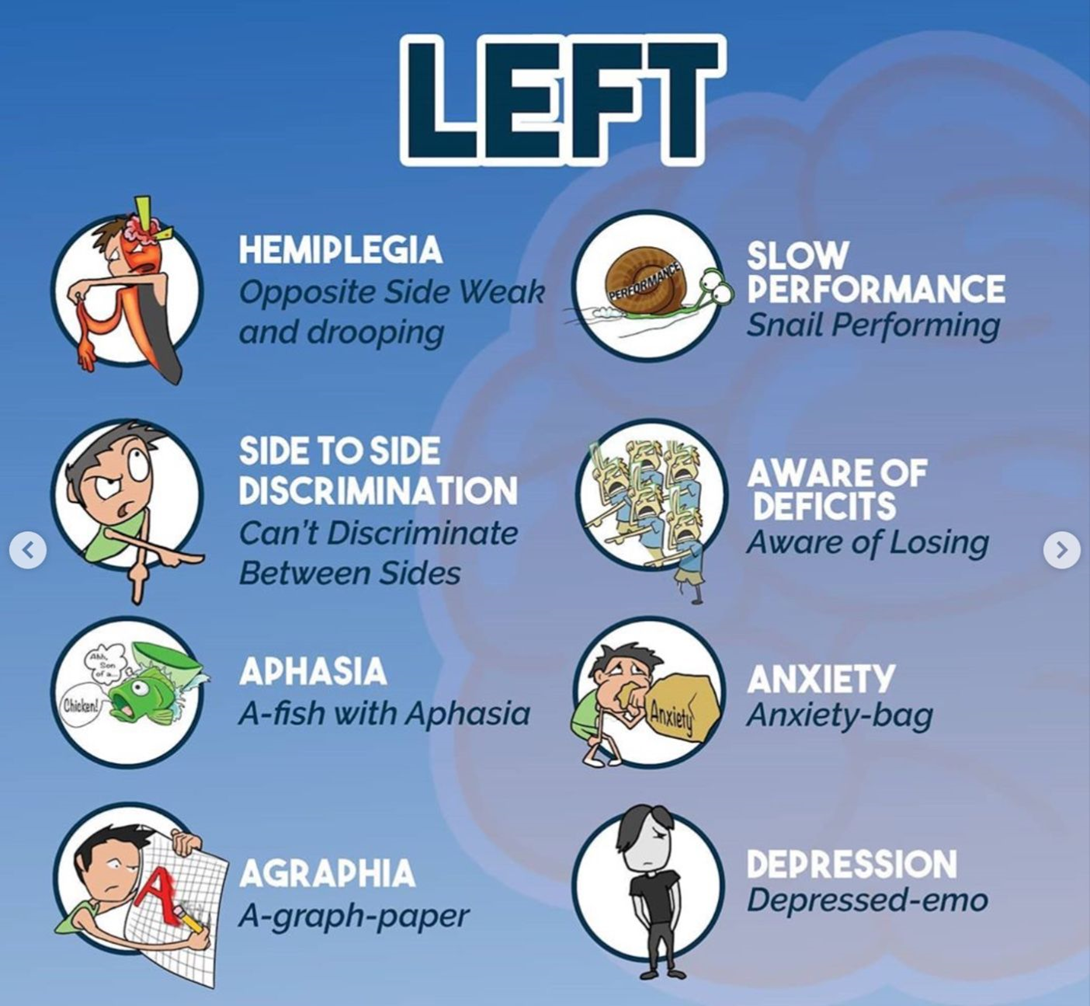
Choice B: Be sure to sit him up when you are feeding him to make him feel more natural.
While sitting the client up during feeding is a good practice to reduce the risk of aspiration, it is not sufficient on its own for a client who has just had a stroke. Without a proper swallowing evaluation, feeding the client could still pose a significant risk. Therefore, this choice is not the most appropriate response.
Choice C: You may give him a full-liquid diet, but please avoid solid foods until he gets stronger.
A full-liquid diet might seem like a safer option, but it still poses a risk of aspiration if the client has dysphagia. Without a swallowing evaluation, it is not safe to assume that the client can handle even a full-liquid diet. Therefore, this choice is not appropriate.
Choice D: Just be sure to add some thickener in his liquids to prevent choking and aspiration.
Adding thickener to liquids can help some clients with dysphagia, but it is not a one-size-fits-all solution. The appropriate consistency of liquids should be determined by a speech-language pathologist after a swallowing evaluation. Therefore, this choice is not appropriate without a prior assessment.