Nursing practice questions with comprehensive rationales
NurseDive Free Nursing Practice Question
A nurse is caring for a client who is newly diagnosed with type 1 diabetes mellitus. The nurse should recognize that the client needs a referral for diabetic education when the client does which of the following?
A. Draws up regular insulin before NPH when demonstrating injection technique
Drawing up regular insulin before NPH when demonstrating injection technique is the correct procedure.
B. Says that he will see a primary care provider to treat corns on his feet
Seeing a primary care provider to treat corns on the feet is an appropriate action for a client with diabetes.
C. States that he will treat hypoglycemic reactions with 15 g of carbohydrates
Treating hypoglycemic reactions with 15 g of carbohydrates is the recommended treatment.
D. Lists sweating, shaking, and palpitations as symptoms of hyperglycemia
The nurse should recognize that the client needs a referral for diabetic education when the client lists sweating, shaking, and palpitations as symptoms of hyperglycemia. These symptoms are actually associated with hypoglycemia, not hyperglycemia. Hyperglycemia is characterized by symptoms such as increased thirst, frequent urination, and fatigue.
This question is an excerpt from Nurse Dive's nursing test bank - VATI PN Comprehensive Predictor 2020 Proctored Exam. Take the full exam now
Full Explanation
The nurse should recognize that the client needs a referral for diabetic education when the client lists sweating, shaking, and palpitations as symptoms of hyperglycemia. These symptoms are actually associated with hypoglycemia, not hyperglycemia. Hyperglycemia is characterized by symptoms such as increased thirst, frequent urination, and fatigue.
Option a is incorrect because drawing up regular insulin before NPH when demonstrating injection technique is the correct procedure.
Option b is incorrect because seeing a primary care provider to treat corns on the feet is an appropriate action for a client with diabetes.
Option c is incorrect because treating hypoglycemic reactions with 15 g of carbohydrates is the recommended treatment.
Similar Questions
A nurse is reviewing the medical record of a client who is requesting an oral contraceptive.
Which of the following findings should the nurse identify as a contraindication to the use of oral contraceptives?
A. History of renal calculus
Is not contraindications to the use of oral contraceptives.
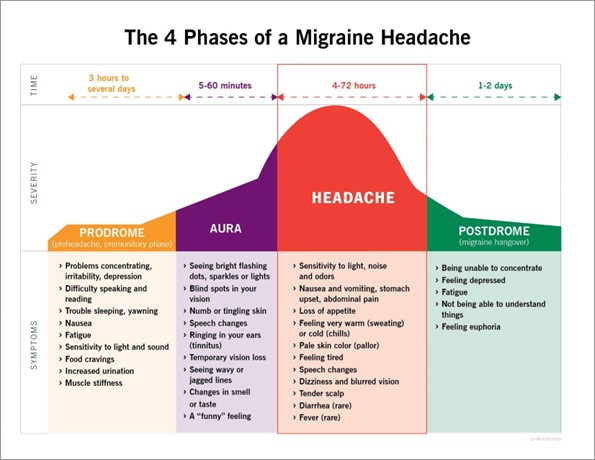
B. Migraines with aura
Migraines with aura are considered a contraindication to the use of oral contraceptives. Auras are neurological symptoms that occur before or during migraines and can include visual disturbances, sensory changes, or speech difficulties. Women who experience migraines with aura have an increased risk of ischemic stroke when taking oral contraceptives. Therefore, it is important to identify this condition as a contraindication and explore alternative contraceptive options for the client.
C. BMI of 25
Is not contraindications to the use of oral contraceptives.
D. History of cholecystectomy
Is not contraindications to the use of oral contraceptives.
Full Explanation
b. Migraines with aura.
Explanation:
Migraines with aura are considered a contraindication to the use of oral contraceptives. Auras are neurological symptoms that occur before or during migraines and can include visual disturbances, sensory changes, or speech difficulties. Women who experience migraines with aura have an increased risk of ischemic stroke when taking oral contraceptives. Therefore, it is important to identify this condition as a contraindication and explore alternative contraceptive options for the client.
The other options (a. History of renal calculus, c. BMI of 25, d. History of cholecystectomy) are not contraindications to the use of oral contraceptives.
A nurse is reinforcing discharge teaching with an older adult client who has osteoarthritis. Which of the following statements by the client indicates an understanding of the teaching?
A. "I will apply cold compresses when my joints are painful."
Applying cold compresses may not be the most effective way to manage pain associated with osteoarthritis. Heat therapy is often more effective for this condition.
B. "I will limit purine intake in my diet."
Limiting purine intake in the diet is recommended for clients with gout, not osteoarthritis.
C. "I plan to take water aerobics classes at the gym near my house."
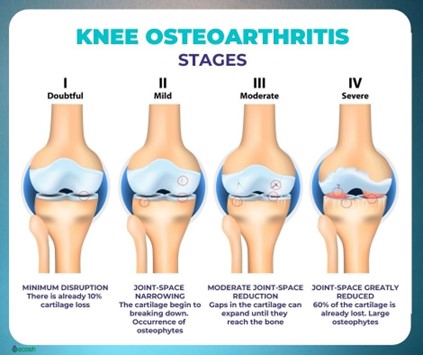
The statement by the client that indicates an understanding of the teaching is "I plan to take water aerobics classes at the gym near my house." Exercise is an important part of managing osteoarthritis, and water aerobics is a low-impact exercise that can help improve joint mobility and reduce pain.
D. "I will avoid the use of ibuprofen for pain control."
Ibuprofen can be an effective pain reliever for clients with osteoarthritis.
Full Explanation
The statement by the client that indicates an understanding of the teaching is "I plan to take water aerobics classes at the gym near my house." Exercise is an important part of managing osteoarthritis, and water aerobics is a low-impact exercise that can help improve joint mobility and reduce pain.
Option a is incorrect because applying cold compresses may not be the most effective way to manage pain associated with osteoarthritis. Heat therapy is often more effective for this condition.
Option b is incorrect because limiting purine intake in the diet is recommended for clients with gout, not osteoarthritis.
Option d is incorrect because ibuprofen can be an effective pain reliever for clients with osteoarthritis.
A nurse is preparing to admit a client who has bacterial meningitis. Which of the following items should the
nurse place in the client's room?
A. Oral irrigating device
An oral irrigating device is not necessary for a client with bacterial meningitis. Bacterial meningitis primarily affects the central nervous system and does not require oral care interventions. The focus of care for these clients is on managing the infection, monitoring vital signs, and providing supportive care.
B. Seizure pads
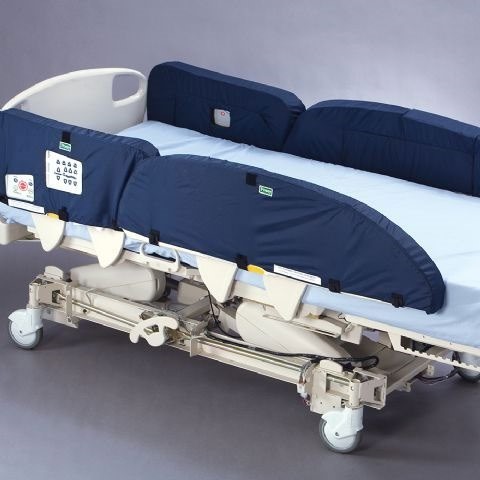
The nurse should place seizure pads in the client's room when admitting a client with bacterial meningitis. Bacterial meningitis is an infection that affects the meninges, the protective membranes covering the brain and spinal cord. It can cause inflammation and swelling of the brain, leading to an increased risk of seizures. Seizure pads are specifically designed to provide a cushioning and protective barrier between the client's head and the hard surface, reducing the risk of injury during a seizure. They are placed on the bed or matress to help prevent head trauma or other injuries that may occur if a seizure occurs. Now, let's discuss why the other options are not necessary for the client with bacterial meningitis:
C. Sterile gloves
While sterile gloves are commonly used in healthcare settings, they are not specifically required for the care of a client with bacterial meningitis. Standard precautions, including the use of non-sterile gloves, are sufficient for providing care to these clients. Sterile gloves are typically used for invasive procedures or when there is a need to maintain a sterile field.
D. Tongue blade
A tongue blade is not necessary for the care of a client with bacterial meningitis. Tongue blades are typically used for oral assessments or when examining the throat, which are not directly related to the management or treatment of bacterial meningitis. The focus of care for these clients is on infection control, monitoring for complications, and providing comfort and support.
Full Explanation
b. Seizure pads
Explanation:
The nurse should place seizure pads in the client's room when admitting a client with bacterial meningitis. Bacterial meningitis is an infection that affects the meninges, the protective membranes covering the brain and spinal cord. It can cause inflammation and swelling of the brain, leading to an increased risk of seizures.
Seizure pads are specifically designed to provide a cushioning and protective barrier between the client's head and the hard surface, reducing the risk of injury during a seizure. They are placed on the bed or matress to help prevent head trauma or other injuries that may occur if a seizure occurs.
Now, let's discuss why the other options are not necessary for the client with bacterial meningitis:
a. Oral irrigating device:
An oral irrigating device is not necessary for a client with bacterial meningitis. Bacterial meningitis primarily affects the central nervous system and does not require oral care interventions. The focus of care for these clients is on managing the infection, monitoring vital signs, and providing supportive care.
c. Sterile gloves:
While sterile gloves are commonly used in healthcare settings, they are not specifically required for the care of a client with bacterial meningitis. Standard precautions, including the use of non-sterile gloves, are sufficient for providing care to these clients. Sterile gloves are typically used for invasive procedures or when there is a need to maintain a sterile field.
d. Tongue blade:
A tongue blade is not necessary for the care of a client with bacterial meningitis. Tongue blades are typically used for oral assessments or when examining the throat, which are not directly related to the management or treatment of bacterial meningitis. The focus of care for these clients is on infection control, monitoring for complications, and providing comfort and support.
In summary, when admitting a client with bacterial meningitis, the nurse should prioritize placing seizure pads in the client's room to ensure their safety during potential seizure activity.