
Nursing practice questions with comprehensive rationales
NurseDive Free Nursing Practice Question
A nurse is caring for a client who is postoperative following a hemicolectomy. Which of the following is a subjective indication that the client needs PRN pain medication?
A. The client's heart rate is 110/min.
An increased heart rate can be an objective indication of pain, but it is not a subjective indication. Subjective indications are based on the client's self-report or personal experiences.
B. The client is guarding their abdominal incision.
Guarding the abdominal incision may suggest discomfort or pain, but it is an objective indication that can be observed by the nurse. Subjective indications focus on the client's self-report.
C. The client exhibits facial grimacing.
Facial grimacing can be an objective indication of pain, but it is not a subjective indication. Again, subjective indications are based on the client's self-report or personal experiences.
D. The client reports pain.
The subjective indication that the client needs PRN (as needed) pain medication is when the client reports pain. Pain is a subjective experience, and it is essential to address the client's self-reported pain level and provide appropriate pain management.
This question is an excerpt from Nurse Dive's nursing test bank - VATI PN Comprehensive Predictor 2020 Proctored Exam. Take the full exam now
Full Explanation
The subjective indication that the client needs PRN (as needed) pain medication is when the client reports pain. Pain is a subjective experience, and it is essential to address the client's self-reported pain level and provide appropriate pain management.
Explanation for the other options:
a) The client's heart rate is 110/min: An increased heart rate can be an objective indication of pain, but it is not a subjective indication. Subjective indications are based on the client's self-report or personal experiences.
b) The client is guarding their abdominal incision: Guarding the abdominal incision may suggest discomfort or pain, but it is an objective indication that can be observed by the nurse. Subjective indications focus on the client's self-report.
c) The client exhibits facial grimacing: Facial grimacing can be an objective indication of pain, but it is not a subjective indication. Again, subjective indications are based on the client's self-report or personal experiences.
In this scenario, the most reliable and appropriate indication for administering PRN pain medication is when the client reports pain, as this acknowledges the client's own perception of their pain level.

Similar Questions
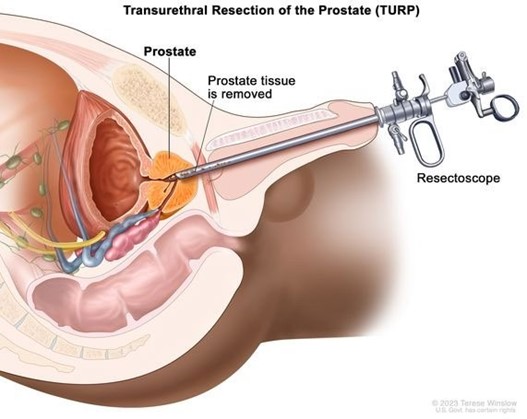
A nurse is caring for a client who had a transurethral resection of the prostate and now is receiving continuous bladder irrigation. Which of the following actions should the nurse take? (Select all that apply.)
A. Document urine color
Documenting urine color is important to monitor for any changes that may indicate complications or issues with the bladder irrigation. It helps identify any bleeding or clot formation
B. Monitor the client for reports of bladder spasms.
b. Monitoring the client for reports of bladder spasms is crucial as bladder spasms can indicate irritation or obstruction in the urinary system. Prompt intervention can be provided to alleviate discomfort and prevent complications.
C. Check the drainage tubing for obstructions
Checking the drainage tubing for obstructions is essential to ensure proper flow of the bladder irrigation solution. Obstructions in the tubing can lead to inadequate irrigation, which can affect the effectiveness of the procedure and potentially lead to complications.
D. Maintain the client in a left side-lying position
d. Maintaining the client in a left side-lying position is not specifically indicated for continuous bladder irrigation after a transurethral resection of the prostate. The client's position should be based on their comfort and overall condition, and there is no specific requirement for a left side-lying position in this context.
E. Use clean technique for intermitent irrigation
Using clean technique for intermitent irrigation is not appropriate for continuous bladder irrigation. Continuous bladder irrigation requires aseptic technique to reduce the risk of infection and contamination
Full Explanation
The correct answers are a. Document urine color, b. Monitor the client for reports of bladder spasms, and
c. Check the drainage tubing for obstructions.
a. Documenting urine color is important to monitor for any changes that may indicate complications or issues with the bladder irrigation. It helps identify any bleeding or clot formation.
b. Monitoring the client for reports of bladder spasms is crucial as bladder spasms can indicate irritation or obstruction in the urinary system. Prompt intervention can be provided to alleviate discomfort and prevent complications.
c. Checking the drainage tubing for obstructions is essential to ensure proper flow of the bladder irrigation solution. Obstructions in the tubing can lead to inadequate irrigation, which can affect the effectiveness of the procedure and potentially lead to complications.
d. Maintaining the client in a left side-lying position is not specifically indicated for continuous bladder irrigation after a transurethral resection of the prostate. The client's position should be based on their comfort and overall condition, and there is no specific requirement for a left side-lying position in this context.
e. Using clean technique for intermitent irrigation is not appropriate for continuous bladder irrigation. Continuous bladder irrigation requires aseptic technique to reduce the risk of infection and contamination.
By performing these actions, the nurse ensures proper monitoring, documentation, and maintenance of the bladder irrigation system, promoting the client's safety and well-being.
A nurse is reinforcing teaching about epidural PCA with a client who is in active labor. Which of the following
statements should the nurse include?
A. The machine is programmed to prevent you from administering more than a safe dose
When reinforcing teaching about epidural PCA (patient-controlled analgesia) with a client in active labor, it is important for the nurse to inform the client about the safety features of the machine. By explaining that the machine is programmed to prevent the client from administering more than a safe dose, the nurse reassures the client that they have control over their pain relief while minimizing the risk of overdose.
B. During medication administration, you will not be able to move your legs freely
During medication administration, you will not be able to move your legs freely," is not an accurate statement regarding epidural PCA. While epidural analgesia may cause temporary weakness or loss of sensation in the lower body, the ability to move the legs freely is not necessarily completely impaired. The degree of mobility can vary depending on the dosage and specific characteristics of the epidural
C. This method of pain control will shorten the second stage of labor
This method of pain control will shorten the second stage of labor," is not a valid statement. Epidural PCA is primarily used for pain relief during labor and delivery but does not directly affect the progression or duration of the second stage of labor, which involves pushing and the delivery of the baby.
D. This type of anesthesia commonly causes a postpartum headache
This type of anesthesia commonly causes a postpartum headache," is also incorrect. While headaches can occur as a potential side effect of epidural anesthesia, they are not specifically associated with epidural PCA. Postpartum headaches can have various causes and are not exclusively related to the use of epidural PCA.
Full Explanation
a. "The machine is programmed to prevent you from administering more than a safe dose."
When reinforcing teaching about epidural PCA (patient-controlled analgesia) with a client in active labor, it is important for the nurse to inform the client about the safety features of the machine. By explaining that the machine is programmed to prevent the client from administering more than a safe dose, the nurse reassures the client that they have control over their pain relief while minimizing the risk of overdose.
Option b, "During medication administration, you will not be able to move your legs freely," is not an accurate statement regarding epidural PCA. While epidural analgesia may cause temporary weakness or loss of sensation in the lower body, the ability to move the legs freely is not necessarily completely impaired. The degree of mobility can vary depending on the dosage and specific characteristics of the epidural.
Option c, "This method of pain control will shorten the second stage of labor," is not a valid statement. Epidural PCA is primarily used for pain relief during labor and delivery but does not directly affect the progression or duration of the second stage of labor, which involves pushing and the delivery of the baby.
Option d, "This type of anesthesia commonly causes a postpartum headache," is also incorrect. While headaches can occur as a potential side effect of epidural anesthesia, they are not specifically associated with epidural PCA. Postpartum headaches can have various causes and are not exclusively related to the use of epidural PCA.
By emphasizing the safety features of the machine and explaining that it prevents the administration of excessive doses, the nurse ensures that the client understands the appropriate use of the epidural PCA for pain control during labor.
A nurse is reinforcing teaching with a client about caring for a new colostomy. Which of the following statements should the nurse make?
A. "You should scrub the skin around the colostomy when cleaning."
Scrubbing the skin around the colostomy can be harsh and may cause skin irritation or damage. It is recommended to clean the peristomal skin gently using mild soap and water, followed by thorough drying.
B. "You can use an adhesive remover when changing the colostomy skin barrier."
The nurse should inform the client that they can use an adhesive remover when changing the colostomy skin barrier. Adhesive removers are helpful in gently removing the adhesive residue left behind by the previous ostomy appliance. This can make the process of changing the colostomy skin barrier more comfortable for the client and help prevent skin irritation or damage.
C. "You will need a device to suction stool from the colostomy bag."
Suctioning stool from the colostomy bag is not a routine procedure for colostomy care. Colostomy bags are designed to collect stool, and emptying the bag as needed is the appropriate method of management.
D. "You should empty the colostomy bag when it is three-fourths full."
The timing of emptying the colostomy bag may vary for each individual. It is generally recommended to empty the colostomy bag when it is one-third to one-half full to prevent leakage or discomfort. The client should be educated on monitoring the bag and emptying it as necessary based on their own output and comfort level.
Full Explanation
The nurse should inform the client that they can use an adhesive remover when changing the colostomy skin barrier. Adhesive removers are helpful in gently removing the adhesive residue left behind by the previous ostomy appliance. This can make the process of changing the colostomy skin barrier more comfortable for the client and help prevent skin irritation or damage.
Explanation for the other options:
a. "You should scrub the skin around the colostomy when cleaning." Scrubbing the skin around the colostomy can be harsh and may cause skin irritation or damage. It is recommended to clean the peristomal skin gently using mild soap and water, followed by thorough drying.
c. "You will need a device to suction stool from the colostomy bag." Suctioning stool from the colostomy bag is not a routine procedure for colostomy care. Colostomy bags are designed to collect stool, and emptying the bag as needed is the appropriate method of management.
d. "You should empty the colostomy bag when it is three-fourths full." The timing of emptying the colostomy bag may vary for each individual. It is generally recommended to empty the colostomy bag when it is one-third to one-half full to prevent leakage or discomfort. The client should be educated on monitoring the bag and emptying it as necessary based on their own output and comfort level.
