Nursing practice questions with comprehensive rationales
NurseDive Free Nursing Practice Question
A nurse is reinforcing teaching with a client about caring for a new colostomy. Which of the following statements should the nurse make?
A. "You should scrub the skin around the colostomy when cleaning."
"You should scrub the skin around the colostomy when cleaning." Scrubbing the skin around the colostomy can be harsh and may cause skin irritation or damage. It is recommended to clean the peristomal skin gently using mild soap and water, followed by thorough drying.
B. "You can use an adhesive remover when changing the colostomy skin barrier."
The nurse should inform the client that they can use an adhesive remover when changing the colostomy skin barrier. Adhesive removers are helpful in gently removing the adhesive residue left behind by the previous ostomy appliance. This can make the process of changing the colostomy skin barrier more comfortable for the client and help prevent skin irritation or damage.
C. "You will need a device to suction stool from the colostomy bag."
"You will need a device to suction stool from the colostomy bag." Suctioning stool from the colostomy bag is not a routine procedure for colostomy care. Colostomy bags are designed to collect stool, and emptying the bag as needed is the appropriate method of management.
D. "You should empty the colostomy bag when it is three-fourths full."
"You should empty the colostomy bag when it is three-fourths full." The timing of emptying the colostomy bag may vary for each individual. It is generally recommended to empty the colostomy bag when it is one-third to one-half full to prevent leakage or discomfort. The client should be educated on monitoring the bag and emptying it as necessary based on their own output and comfort level.
This question is an excerpt from Nurse Dive's nursing test bank - VATI PN Comprehensive Predictor 2020 Proctored Exam. Take the full exam now
Full Explanation
b. "You can use an adhesive remover when changing the colostomy skin barrier."
The nurse should inform the client that they can use an adhesive remover when changing the colostomy skin barrier. Adhesive removers are helpful in gently removing the adhesive residue left behind by the previous ostomy appliance. This can make the process of changing the colostomy skin barrier more comfortable for the client and help prevent skin irritation or damage.
Explanation for the other options:
a. "You should scrub the skin around the colostomy when cleaning." Scrubbing the skin around the colostomy can be harsh and may cause skin irritation or damage. It is recommended to clean the peristomal skin gently using mild soap and water, followed by thorough drying.
c. "You will need a device to suction stool from the colostomy bag." Suctioning stool from the colostomy bag is not a routine procedure for colostomy care. Colostomy bags are designed to collect stool, and emptying the bag as needed is the appropriate method of management.
d. "You should empty the colostomy bag when it is three-fourths full." The timing of emptying the colostomy bag may vary for each individual. It is generally recommended to empty the colostomy bag when it is one-third to one-half full to prevent leakage or discomfort. The client should be educated on monitoring the bag and emptying it as necessary based on their own output and comfort level.
Similar Questions
A nurse is visiting with the family of a client who has just died. Which of the following actions should the nurse take to promote comfort for the family?
A. Allow the family as much time as they want with the client.
The nurse should allow the family as much time as they want with the client who has just died. This promotes comfort for the family and allows them to say goodbye to their loved one.
B. Use paper tape to hold the client's eyelids open.
Using paper tape to hold the client's eyelids open is not appropriate and can be distressing for the family.
C. Place the client in a supine position.
Placing the client in a supine position is not necessary and may not be comfortable for the client.
D. Avoid repeating information about the client's death.
Avoiding repeating information about the client's death is not helpful. The nurse should provide clear and honest information to the family and answer any questions they may have.
Full Explanation
The nurse should allow the family as much time as they want with the client who has just died. This promotes comfort for the family and allows them to say goodbye to their loved one.
a) Using paper tape to hold the client's eyelids open is not appropriate and can be distressing for the family.
b) Placing the client in a supine position is not necessary and may not be comfortable for the client.
c) Avoiding repeating information about the client's death is not helpful. The nurse should provide clear and honest information to the family and answer any questions they may have.
A nurse is reviewing client care assignments prior to the beginning of a shift. Which of the following client assignments should the nurse identify as being outside the scope of practice for an LPN?
A. A client who has a new onset of chest pain
The nurse should identify that caring for a client who has a new onset of chest pain is outside the scope of practice for an LPN. This is a complex and potentially life-threatening situation that requires the assessment and intervention of a registered nurse (RN) or other advanced practice provider.
B. A client who has a tracheostomy
Caring for a client who has a tracheostomy is within the scope of practice for an LPN.
C. A client who is receiving enteral feedings
Caring for a client who is receiving enteral feedings is within the scope of practice for an LPN.
D. A client who has urinary retention
Caring for a client who has urinary retention is within the scope of practice for an LPN.
Full Explanation
The nurse should identify that caring for a client who has a new onset of chest pain is outside the scope of practice for an LPN. This is a complex and potentially life-threatening situation that requires the assessment and intervention of a registered nurse (RN) or other advanced practice provider.
b) Caring for a client who has a tracheostomy is within the scope of practice for an LPN.
c) Caring for a client who is receiving enteral feedings is within the scope of practice for an LPN.
d) Caring for a client who has urinary retention is within the scope of practice for an LPN.
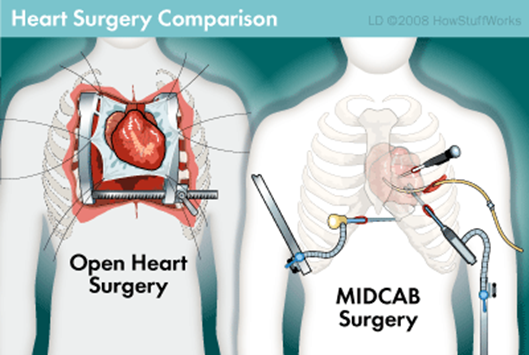
A nurse is caring for a client who is scheduled for open heart surgery. The client states, "I am confident I will be able to go home a few hours after the surgery." The nurse should identify that the client is experiencing which of the following stages of grief?
A. Anger
Anger: Anger is a stage of grief characterized by feelings of resentment, frustration, and hostility. It is common for individuals to experience anger as part of the grief process, but the client's statement does not indicate anger.
B. Depression
Depression: Depression is another stage of grief marked by feelings of sadness, hopelessness, and loss. While it is normal for individuals to experience some level of anxiety or sadness before undergoing surgery, the client's statement does not specifically reflect depression.
C. Denial
The nurse should identify that the client is experiencing the stage of denial in the grief process. Denial is a common psychological defense mechanism that individuals may exhibit when faced with a stressful or overwhelming situation, such as the prospect of open heart surgery. It involves a refusal to accept or acknowledge the reality of the situation. In this case, the client's statement of being confident to go home shortly after surgery demonstrates a denial of the potential challenges and recovery process associated with such a procedure.
D. Acceptance
Acceptance: Acceptance is the final stage of grief, where individuals come to terms with their situation and find a sense of peace or resolution. The client's statement indicates a lack of acceptance as they are denying the potential impact of the surgery and its recovery process.
Full Explanation
The correct answer and explanation is:
c. Denial
The nurse should identify that the client is experiencing the stage of denial in the grief process. Denial is a common psychological defense mechanism that individuals may exhibit when faced with a stressful or overwhelming situation, such as the prospect of open heart surgery. It involves a refusal to accept or acknowledge the reality of the situation. In this case, the client's statement of being confident to go home shortly after surgery demonstrates a denial of the potential challenges and recovery process associated with such a procedure.
Explanation for the other options:
A . Anger: Anger is a stage of grief characterized by feelings of resentment, frustration, and hostility. It is common for individuals to experience anger as part of the grief process, but the client's statement does not indicate anger.
B. Depression: Depression is another stage of grief marked by feelings of sadness, hopelessness, and loss. While it is normal for individuals to experience some level of anxiety or sadness before undergoing surgery, the client's statement does not specifically reflect depression.
d. Acceptance: Acceptance is the final stage of grief, where individuals come to terms with their situation and find a sense of peace or resolution. The client's statement indicates a lack of acceptance as they are denying the potential impact of the surgery and its recovery process.