
Nursing practice questions with comprehensive rationales
NurseDive Free Nursing Practice Question
A nurse is caring for a client who is receiving peritoneal dialysis. The nurse should monitor the client for which of the following manifestations of peritonitis?
A. Increased urinary output
Increased urinary output is not typically associated with peritonitis, especially during peritoneal dialysis.
B. Bradycardia
Bradycardia, or a slow heart rate, is not a common manifestation of peritonitis.
C. Nausea and vomiting
Nausea and vomiting are common symptoms of peritonitis and should be monitored in clients receiving peritoneal dialysis.
D. Hyperactive bowel sounds
Hyperactive bowel sounds are not specifically indicative of peritonitis; they can be associated with a variety of gastrointestinal conditions.
This question is an excerpt from Nurse Dive's nursing test bank - Ati Med Surg Proctored Exam 2. Take the full exam now
Full Explanation
Choice A reason: Increased urinary output is not typically associated with peritonitis, especially during peritoneal
dialysis.
Choice B reason: Bradycardia, or a slow heart rate, is not a common manifestation of peritonitis.
Choice C reason: Nausea and vomiting are common symptoms of peritonitis and should be monitored in clients
receiving peritoneal dialysis.
Choice D reason: Hyperactive bowel sounds are not specifically indicative of peritonitis; they can be associated with a variety of gastrointestinal conditions.
Similar Questions
A nurse is discussing laboratory values associated with the renal system with a newly licensed nurse. Which of the following statements by the newly licensed nurse indicates an understanding of the values?
A. Specific gravity is decreased in clients who have hypovolemia.
Specific gravity is typically increased in clients who have hypovolemia, not decreased, due to the concentration of urine as the body atempts to conserve water.
B. Creatinine levels are increased in clients who have acute kidney injury.
Creatinine levels are indeed increased in clients who have acute kidney injury, reffecting decreased kidney function and filtration.
C. Potassium levels are increased in clients who have polyuria.
Potassium levels are not necessarily increased in clients who have polyuria. Polyuria can be associated with a variety of conditions and does not directly indicate high potassium levels.
D. BUN is decreased in clients who have dehydration.
BUN, or blood urea nitrogen, is typically increased in clients who have dehydration, not decreased, due to the concentration of blood solutes as the body conserves water.
Full Explanation
Choice A reason: Specific gravity is typically increased in clients who have hypovolemia, not decreased, due to the concentration of urine as the body atempts to conserve water.
Choice B reason: Creatinine levels are indeed increased in clients who have acute kidney injury, reffecting decreased kidney function and filtration.
Choice C reason: Potassium levels are not necessarily increased in clients who have polyuria. Polyuria can be associated with a variety of conditions and does not directly indicate high potassium levels.
Choice D reason: BUN, or blood urea nitrogen, is typically increased in clients who have dehydration, not decreased, due to the concentration of blood solutes as the body conserves water.
A nurse is teaching a client who has chronic kidney disease about the process of continuous ambulatory peritoneal dialysis (CAPD). Which of the following information should the nurse include in the teaching?
A. CAPD is the dialysis treatment of choice for clients who have a history of abdominal surgery.
CAPD can be suitable for clients with a history of abdominal surgery, but it is not specifically the treatment of choice due to this reason alone.
B. CAPD requires a rigid schedule of exchange times.
CAPD does not require a rigid schedule of exchange times. It is ?exible and can be adjusted to fit the client's lifestyle.
C. CAPD requires the client to follow fewer dietary and fluid restrictions than hemodialysis requires.
CAPD allows for more dietary and fluid freedom compared to hemodialysis because it is a continuous process that removes waste products and excess fluid more gradually.
D. CAPD filters the client's blood through an artificial device called a dialyzer.
CAPD does not filter the client's blood through an artificial device called a dialyzer; that is a description of hemodialysis. CAPD uses the client's peritoneum as the filter to remove waste products and excess fluid.
Full Explanation
Choice A reason: CAPD can be suitable for clients with a history of abdominal surgery, but it is not specifically the
treatment of choice due to this reason alone.
Choice B reason: CAPD does not require a rigid schedule of exchange times. It is ?exible and can be adjusted to fit the client's lifestyle.
Choice C reason: CAPD allows for more dietary and fluid freedom compared to hemodialysis because it is a continuous process that removes waste products and excess fluid more gradually.
Choice D reason: CAPD does not filter the client's blood through an artificial device called a dialyzer; that is a description of hemodialysis. CAPD uses the client's peritoneum as the filter to remove waste products and excess fluid.
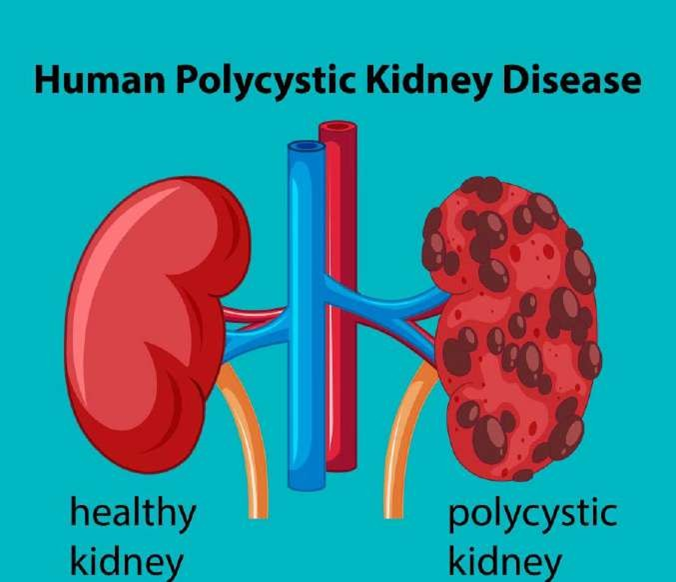
A nurse is caring for a client who has polycystic kidney disease (PKD). Which of the following findings should the nurse expect?
A. Flank pain
Flank pain is a common symptom of PKD due to the enlargement of cysts within the kidneys.
B. Confusion
Confusion is not a direct symptom of PKD but could be related to complications such as severe hypertension or toxins in the blood due to decreased kidney function.
C. Hypotension
Hypotension is not typically associated with PKD; in fact, hypertension is a more common finding due to the disease's impact on kidney function.
D. Urinary retention
Urinary retention is not a typical finding in PKD. Instead, symptoms like hematuria (blood in the urine) and increased urinary frequency may occur.
Full Explanation
Choice A reason: Flank pain is a common symptom of PKD due to the enlargement of cysts within the kidneys.
Choice B reason: Confusion is not a direct symptom of PKD but could be related to complications such as severe hypertension or toxins in the blood due to decreased kidney function.
Choice C reason: Hypotension is not typically associated with PKD; in fact, hypertension is a more common finding due to the disease's impact on kidney function.
Choice D reason: Urinary retention is not a typical finding in PKD. Instead, symptoms like hematuria (blood in the urine) and increased urinary frequency may occur.