
Nursing practice questions with comprehensive rationales
NurseDive Free Nursing Practice Question
A nurse is teaching a client who has chronic kidney disease about the process of continuous ambulatory peritoneal dialysis (CAPD). Which of the following information should the nurse include in the teaching?
A. CAPD is the dialysis treatment of choice for clients who have a history of abdominal surgery.
CAPD can be suitable for clients with a history of abdominal surgery, but it is not specifically the treatment of choice due to this reason alone.
B. CAPD requires a rigid schedule of exchange times.
CAPD does not require a rigid schedule of exchange times. It is ?exible and can be adjusted to fit the client's lifestyle.
C. CAPD requires the client to follow fewer dietary and fluid restrictions than hemodialysis requires.
CAPD allows for more dietary and fluid freedom compared to hemodialysis because it is a continuous process that removes waste products and excess fluid more gradually.
D. CAPD filters the client's blood through an artificial device called a dialyzer.
CAPD does not filter the client's blood through an artificial device called a dialyzer; that is a description of hemodialysis. CAPD uses the client's peritoneum as the filter to remove waste products and excess fluid.
This question is an excerpt from Nurse Dive's nursing test bank - Ati Med Surg Proctored Exam 2. Take the full exam now
Full Explanation
Choice A reason: CAPD can be suitable for clients with a history of abdominal surgery, but it is not specifically the
treatment of choice due to this reason alone.
Choice B reason: CAPD does not require a rigid schedule of exchange times. It is ?exible and can be adjusted to fit the client's lifestyle.
Choice C reason: CAPD allows for more dietary and fluid freedom compared to hemodialysis because it is a continuous process that removes waste products and excess fluid more gradually.
Choice D reason: CAPD does not filter the client's blood through an artificial device called a dialyzer; that is a description of hemodialysis. CAPD uses the client's peritoneum as the filter to remove waste products and excess fluid.
Similar Questions
A nurse is caring for a client who has polycystic kidney disease (PKD). Which of the following findings should the nurse expect?
A. Flank pain
Flank pain is a common symptom of PKD due to the enlargement of cysts within the kidneys.
B. Confusion
Confusion is not a direct symptom of PKD but could be related to complications such as severe hypertension or toxins in the blood due to decreased kidney function.
C. Hypotension
Hypotension is not typically associated with PKD; in fact, hypertension is a more common finding due to the disease's impact on kidney function.
D. Urinary retention
Urinary retention is not a typical finding in PKD. Instead, symptoms like hematuria (blood in the urine) and increased urinary frequency may occur.
Full Explanation
Choice A reason: Flank pain is a common symptom of PKD due to the enlargement of cysts within the kidneys.
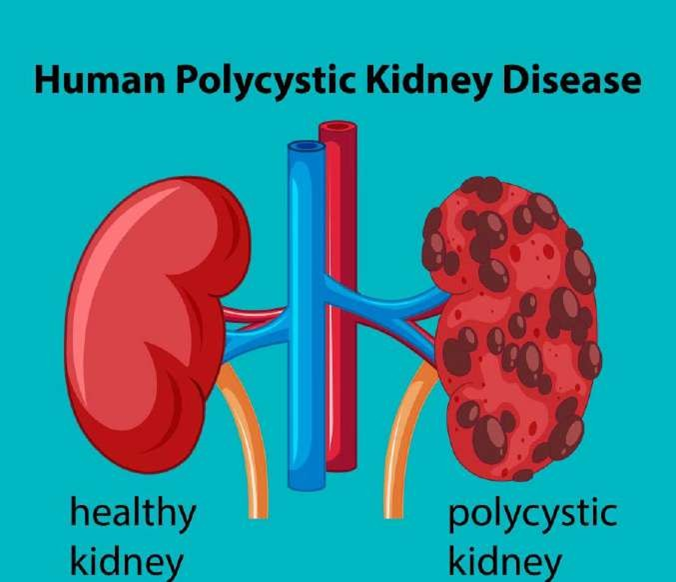
Choice B reason: Confusion is not a direct symptom of PKD but could be related to complications such as severe hypertension or toxins in the blood due to decreased kidney function.
Choice C reason: Hypotension is not typically associated with PKD; in fact, hypertension is a more common finding due to the disease's impact on kidney function.
Choice D reason: Urinary retention is not a typical finding in PKD. Instead, symptoms like hematuria (blood in the urine) and increased urinary frequency may occur.
A nurse is caring for a client who has impaired renal function. For which of the following findings should the nurse notify the provider?
A. First-voided urine in the morning has a strong odor.
A strong odor in the first-voided urine can be normal, especially if it's concentrated after a night's sleep.
B. Urine output of 175 mL in the past 8 hours.
An output of 175 mL in 8 hours is concerning, as it indicates oliguria, which is a urine output of less than 400 mL in 24 hours, and can be a sign of worsening renal function.
C. Urine output of 2,200 mL in the past 24 hours.
An output of 2,200 mL in 24 hours is within normal urine output ranges, which is typically 800 to 2,000 mL per day for an average adult.
D. Urine is cloudy after sitting in the urinal for 6 hours.
Urine becoming cloudy after sitting for a period is common due to precipitation of salts and proteins at lower temperatures.
Full Explanation
Choice A reason: A strong odor in the first-voided urine can be normal, especially if it's concentrated after a night's sleep.
Choice B reason: An output of 175 mL in 8 hours is concerning, as it indicates oliguria, which is a urine output of less than 400 mL in 24 hours, and can be a sign of worsening renal function.
Choice C reason: An output of 2,200 mL in 24 hours is within normal urine output ranges, which is typically 800 to 2,000 mL per day for an average adult.
Choice D reason: Urine becoming cloudy after sitting for a period is common due to precipitation of salts and proteins at lower temperatures.
A nurse is caring for four clients on the urology unit. Which of the following clients should the nurse plan to teach about kidney stone prevention?
A. The client admitted to the hospital who has clinical findings of periorbital edema, dark frothy urine, and elevated blood pressure.
Periorbital edema, dark frothy urine, and elevated blood pressure are more indicative of conditions like nephrotic syndrome rather than kidney stones.
B. The client admitted to the hospital who has clinical findings of severe flank pain, nausea, and vomiting.
Severe ?ank pain, nausea, and vomiting are classic symptoms associated with kidney stones, and such clients should be educated on kidney stone prevention.
C. The client admitted to the hospital who has clinical findings of polyuria, nocturia, proteinuria, and a palpable kidney mass.
Polyuria, nocturia, proteinuria, and a palpable kidney mass could suggest other renal issues, but not specifically kidney stones.
D. The client admitted to the hospital who has clinical findings of urinary urgency, weak urine stream, and dysuria.
Urinary urgency, weak urine stream, and dysuria could be symptoms of a urinary tract infection or prostate issues in males, rather than kidney stones.
Full Explanation
Choice A reason: Periorbital edema, dark frothy urine, and elevated blood pressure are more indicative of conditions like nephrotic syndrome rather than kidney stones.
Choice B reason: Severe flank pain, nausea, and vomiting are classic symptoms associated with kidney stones, and such clients should be educated on kidney stone prevention.
Choice C reason: Polyuria, nocturia, proteinuria, and a palpable kidney mass could suggest other renal issues, but not specifically kidney stones.
Choice D reason: Urinary urgency, weak urine stream, and dysuria could be symptoms of a urinary tract infection or prostate issues in males, rather than kidney stones.