
Nursing practice questions with comprehensive rationales
NurseDive Free Nursing Practice Question
A nurse is caring for a client who is taking multiple medications and asks about possible interactions. To which of the following members of the interdisciplinary team should the nurse make a referral?
A. Social worker
Social workers focus on addressing psychosocial aspects of care, such as emotional support, counseling, and resource coordination. While they may provide valuable assistance in various areas of the client's care, they typically do not have specialized knowledge in medication interactions.
B. Patient care technician
Patient care technicians, also known as nursing assistants or certified nursing assistants, provide direct patient care under the supervision of nurses. They do not typically have the training or authority to address medication interactions.
C. Psychologist
Psychologists specialize in the assessment, diagnosis, and treatment of mental and emotional health concerns. While they may be involved in the client's overall care, including medication management for mental health conditions, their expertise lies primarily in psychological assessment and therapy rather than medication interactions.
D. Advanced practice nurse
The APN, also known as a nurse practitioner or clinical nurse specialist, has advanced knowledge and expertise in pharmacology and medication management. They are trained to assess medication interactions, evaluate potential risks, and provide guidance to ensure safe and effective medication use.
This question is an excerpt from Nurse Dive's nursing test bank - ATI PN Comprehensive Predictor 2023 - Proctored Exam 1. Take the full exam now
Full Explanation
The APN, also known as a nurse practitioner or clinical nurse specialist, has advanced knowledge and expertise in pharmacology and medication management. They are trained to assess medication interactions, evaluate potential risks, and provide guidance to ensure safe and effective medication use.
The other members of the interdisciplinary team listed are not specifically trained to address medication interactions:
- Social worker: Social workers focus on addressing psychosocial aspects of care, such as emotional support, counseling, and resource coordination. While they may provide valuable assistance in various areas of the client's care, they typically do not have specialized knowledge in medication interactions.
- Patient care technician: Patient care technicians, also known as nursing assistants or certified nursing assistants, provide direct patient care under the supervision of nurses. They do not typically have the training or authority to address medication interactions.
- Psychologist: Psychologists specialize in the assessment, diagnosis, and treatment of mental and emotional health concerns. While they may be involved in the client's overall care, including medication management for mental health conditions, their expertise lies primarily in psychological assessment and therapy rather than medication interactions.
Similar Questions
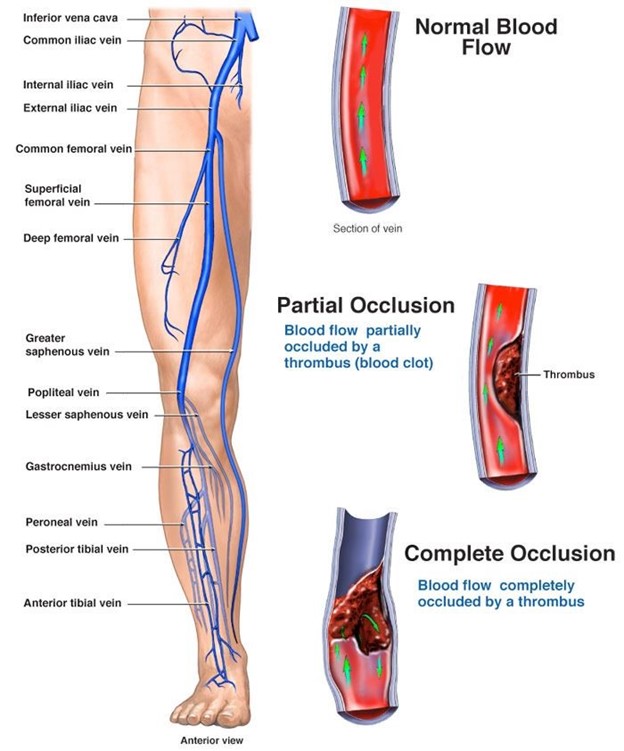
A nurse is caring for a client who is 12 hr postpartum and has deep-vein thrombosis of the left leg. The client is receiving anticoagulant therapy. Which of the following actions should the nurse take?
A. Massage the affected extremity every 4 hr.
Massaging the affected extremity can dislodge the clot, increasing the risk of a pulmonary embolism. It is contraindicated and should not be performed in clients with DVT.
B. Initiate bed rest.
Deep-vein thrombosis (DVT) is a condition where a blood clot forms in a deep vein, usually in the legs. Bed rest is often recommended for clients with DVT to reduce the risk of the clot dislodging and causing a pulmonary embolism. By minimizing movement and keeping the leg elevated, the nurse can help prevent further complications.
C. Apply an ice pack to the effected extremity for 20 min every 2 hr.
While applying cold compresses or ice packs may be useful in some situations to reduce swelling or pain, it is not recommended for clients with DVT. Heat application or cold application should be avoided because they can promote blood circulation and potentially dislodge the clot.
D. Administer aspirin for pain.
Aspirin is not typically used for pain management in DVT. Anticoagulant therapy is the primary treatment for DVT, and specific anticoagulant medications are prescribed to prevent further clot formation and reduce the risk of complications.
Full Explanation
Deep-vein thrombosis (DVT) is a condition where a blood clot forms in a deep vein, usually in the legs. Bed rest is often recommended for clients with DVT to reduce the risk of the clot dislodging and causing a pulmonary embolism. By minimizing movement and keeping the leg elevated, the nurse can help prevent further complications.
The other options listed are incorrect:
- Massage the affected extremity every 4 hours: Massaging the affected extremity can dislodge the clot, increasing the risk of a pulmonary embolism. It is contraindicated and should not be performed in clients with DVT.
- Apply an ice pack to the affected extremity for 20 minutes every 2 hours: While applying cold compresses or ice packs may be useful in some situations to reduce swelling or pain, it is not recommended for clients with DVT. Heat application or cold application should be avoided because they can promote blood circulation and potentially dislodge the clot.
- Administer aspirin for pain: Aspirin is not typically used for pain management in DVT. Anticoagulant therapy is the primary treatment for DVT, and specific anticoagulant medications are prescribed to prevent further clot formation and reduce the risk of complications.
A nurse is reinforcing teaching with a client about advance directives and a health care proxy.
Which of the following client statements indicates an understanding of the teaching?
A. Once my health care proxy is in place, I relinquish my right to make my own decisions.
Having a health care proxy does not mean that the individual relinquishes their right to make their own decisions. A health care proxy is designated to make decisions on behalf of the individual when they are unable to do so, but the individual retains the right to make decisions if they are capable.
B. If I have a health care proxy, then I do not need to have a living will.
Having a health care proxy does not eliminate the need for a living will. A living will outline the individual's specific wishes regarding medical treatments and end-of-life care, while a health care proxy designates a person to make decisions on their behalf. Both documents serve different purposes and can work together to ensure the individual's wishes are respected.
C. My health care proxy designee is not able to sign a consent form on my behalf.
A health care proxy designee is typically empowered to make medical decisions on your behalf, including signing consent forms if necessary. This is one of the primary roles of a health care proxy – to act in your best interests when you are unable to make decisions yourself, including signing forms for procedures or treatments.
D. I do not need to name a relative as my designee in my health care proxy.
The individual has the choice to name any person as their health care proxy designee, regardless of their relationship. It is important to choose someone who understands the individual's wishes and can make decisions in their best interest. The decision of whom to name as the health care proxy designee is personal and should be based on trust and understanding.
E. None
None
F. None
None
Full Explanation
A. Having a health care proxy does not mean that the individual relinquishes their right to make their own decisions. A health care proxy is designated to make decisions on behalf of the individual when they are unable to do so, but the individual retains the right to make decisions if they are capable.
B. Having a health care proxy does not eliminate the need for a living will. A living will outline the individual's specific wishes regarding medical treatments and end-of-life care, while a health care proxy designates a person to make decisions on their behalf. Both documents serve different purposes and can work together to ensure the individual's wishes are respected.
C. A health care proxy designee is typically empowered to make medical decisions on your behalf, including signing consent forms if necessary. This is one of the primary roles of a health care proxy – to act in your best interests when you are unable to make decisions yourself, including signing forms for procedures or treatments.
D. The individual has the choice to name any person as their health care proxy designee, regardless of their relationship. It is important to choose someone who understands the individual's wishes and can make decisions in their best interest. The decision of whom to name as the health care proxy designee is personal and should be based on trust and understanding.
A nurse is reviewing the plan of care for a group of clients. The nurse should identify that informed consent is required for which of the following procedures?
A. Irrigation of a wound with antibiotic solution
Wound irrigation with an antibiotic solution is a standard nursing intervention for wound care and does not usually involve invasive procedures. Informed consent is not typically required for this procedure.
B. Administration of an iron injection using Z-track technique
The administration of an iron injection using the Z-track technique is a standard nursing procedure. While it involves an injection, it is not typically considered an invasive procedure that would require informed consent.
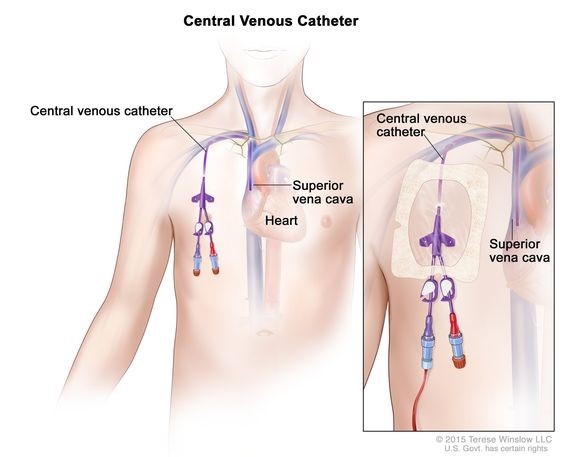
C. Placement of a central venous catheter
Informed consent is a legal and ethical requirement for certain medical procedures. It involves providing the client with clear and comprehensive information about the procedure, including its risks, benefits, alternatives, and expected outcomes. The client must understand the information provided and voluntarily give their consent before the procedure can be performed. Placement of a central venous catheter is an invasive procedure that carries risks and potential complications, making it necessary to obtain informed consent from the client.
D. Insertion of a nasogastric tube
Insertion of a nasogastric tube is a common procedure that involves passing a tube through the nose and into the stomach for various purposes, such as feeding, decompression, or medication administration. While it is an invasive procedure, it is often performed in emergency or critical care situations where the client's immediate well-being takes precedence. Informed consent may not be feasible or necessary in these situations, depending on the context and urgency.
Full Explanation
Informed consent is a legal and ethical requirement for certain medical procedures. It involves providing the client with clear and comprehensive information about the procedure, including its risks, benefits, alternatives, and expected outcomes. The client must understand the information provided and voluntarily give their consent before the procedure can be performed.
Placement of a central venous catheter is an invasive procedure that carries risks and potential complications, making it necessary to obtain informed consent from the client.
Wound irrigation with an antibiotic solution is a standard nursing intervention for wound care and does not usually involve invasive procedures. Informed consent is not typically required for this procedure.
The administration of an iron injection using the Z-track technique is a standard nursing procedure. While it involves an injection, it is not typically considered an invasive procedure that would require informed consent.
Insertion of a nasogastric tube is a common procedure that involves passing a tube through the nose and into the stomach for various purposes, such as feeding, decompression, or medication administration. While it is an invasive procedure, it is often performed in emergency or critical care situations where the client's immediate well-being takes precedence. Informed consent may not be feasible or necessary in these situations, depending on the context and urgency.