
Nursing practice questions with comprehensive rationales
NurseDive Free Nursing Practice Question
A nurse is caring for a client who states, "I have got to get out of this hospital! They have found my address and are coming for my family!" The nurse responds, "Don't worry, no one will harm your family." Which of the following types of communication breakdown does the nurse's response represent?
A. Offering false reassurance.
Offering false reassurance occurs when a nurse or healthcare provider dismisses a patient's concerns with general comforting statements without addressing the reality of the situation or the patient's feelings. In this case, the nurse's response of "Don't worry, no one will harm your family" is an attempt to alleviate the patient's anxiety without acknowledging the patient's fear or providing a realistic plan to ensure the safety of the patient's family. This type of communication can undermine trust and prevent the patient from feeling heard and supported.
B. Offering sympathy.
Offering sympathy involves sharing feelings of pity or sorrow for someone else's misfortune. While the nurse's response may seem sympathetic, it does not directly express shared emotions or an understanding of the patient's distress. Therefore, it does not represent offering sympathy as a communication breakdown in this context.
C. Providing a passive response.
Providing a passive response would involve the nurse not actively engaging with the patient's concerns or failing to provide any response. Since the nurse in the scenario does respond to the patient's statement, this does not constitute a passive response.
D. Showing disapproval.
Showing disapproval would involve the nurse expressing judgment or criticism of the patient's feelings or actions. The nurse's response does not contain elements of judgment or criticism; rather, it is an attempt to reassure the patient, albeit falsely.
This question is an excerpt from Nurse Dive's nursing test bank - Ati N133 Mental Health Proctored Exam 1. Take the full exam now
Full Explanation
Choice A Reason:
Offering false reassurance occurs when a nurse or healthcare provider dismisses a patient's concerns with general comforting statements without addressing the reality of the situation or the patient's feelings. In this case, the nurse's response of "Don't worry, no one will harm your family" is an attempt to alleviate the patient's anxiety without acknowledging the patient's fear or providing a realistic plan to ensure the safety of the patient's family. This type of communication can undermine trust and prevent the patient from feeling heard and supported.
Choice B Reason:
Offering sympathy involves sharing feelings of pity or sorrow for someone else's misfortune. While the nurse's response may seem sympathetic, it does not directly express shared emotions or an understanding of the patient's distress. Therefore, it does not represent offering sympathy as a communication breakdown in this context.
Choice C Reason:
Providing a passive response would involve the nurse not actively engaging with the patient's concerns or failing to provide any response. Since the nurse in the scenario does respond to the patient's statement, this does not constitute a passive response.
Choice D Reason:
Showing disapproval would involve the nurse expressing judgment or criticism of the patient's feelings or actions. The nurse's response does not contain elements of judgment or criticism; rather, it is an attempt to reassure the patient, albeit falsely.
Similar Questions
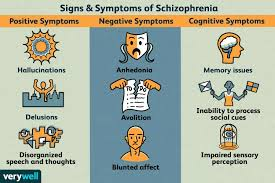
A nurse in a mental health clinic is conducting a staff education session on schizophrenia. Which of the following manifestations should the nurse identify as negative symptoms? (Select all that apply.)
A. Blunted affect.
Blunted affect refers to a significant reduction in the intensity of emotional expression. In the context of schizophrenia, a person with blunted affect may show less facial expression, have diminished expressive gestures, and a monotone voice. This symptom reflects a decrease in the expression of emotions, which is characteristic of the negative symptoms of schizophrenia.
B. Delusions.
Delusions are a type of positive symptom of schizophrenia, not a negative one. They are false beliefs that are not based in reality, such as thinking one has superpowers or is being persecuted. Delusions represent an excess or distortion of normal functions.
C. Poor judgment.
Poor judgment is not typically classified as a negative symptom of schizophrenia. It can be a consequence of cognitive impairments or positive symptoms like delusions but is not a negative symptom itself.
D. Anhedonia.
Anhedonia is the inability to feel pleasure and is a core negative symptom of schizophrenia. Individuals with anhedonia may not enjoy activities that they used to find pleasurable, which can significantly impact their quality of life.
E. Hallucinations.
Full Explanation
Choice A Reason:
Blunted affect refers to a significant reduction in the intensity of emotional expression. In the context of schizophrenia, a person with blunted affect may show less facial expression, have diminished expressive gestures, and a monotone voice. This symptom reflects a decrease in the expression of emotions, which is characteristic of the negative symptoms of schizophrenia.
Choice B Reason:
Delusions are a type of positive symptom of schizophrenia, not a negative one. They are false beliefs that are not based in reality, such as thinking one has superpowers or is being persecuted. Delusions represent an excess or distortion of normal functions.
Choice C Reason:
Poor judgment is not typically classified as a negative symptom of schizophrenia. It can be a consequence of cognitive impairments or positive symptoms like delusions but is not a negative symptom itself.
Choice D Reason:
Anhedonia is the inability to feel pleasure and is a core negative symptom of schizophrenia. Individuals with anhedonia may not enjoy activities that they used to find pleasurable, which can significantly impact their quality of life.
Choice E Reason:
Hallucinations, like delusions, are considered positive symptoms of schizophrenia. They involve experiencing sensations that are not present, such as hearing voices or seeing things that others do not see.
The nurse is caring for a client diagnosed with schizophrenia. Which of the following should the nurse identify as findings consistent with schizophrenia? (Select all that apply.)
A. Schizophrenia can be cured with antidepressants.
Schizophrenia cannot be cured with antidepressants. Antidepressants may be used to treat comorbid depression in individuals with schizophrenia, but they do not address the core symptoms of schizophrenia itself. Schizophrenia is a chronic condition that typically requires lifelong treatment with antipsychotic medications to manage symptoms.
B. Schizophrenia typically first presents in adolescence or early adulthood.
Schizophrenia typically first presents in adolescence or early adulthood. This is the period when symptoms such as hallucinations, delusions, and disorganized thinking often first become apparent. The onset of schizophrenia during this developmental stage can significantly impact an individual's social and vocational abilities.
C. Antipsychotic medications can be used to manage symptoms of hallucinations and delusions.
Antipsychotic medications are the cornerstone of schizophrenia treatment. They can be used to manage symptoms of hallucinations and delusions, which are known as positive symptoms of schizophrenia. These medications work by affecting neurotransmitters in the brain, particularly dopamine.
D. Some clients with schizophrenia have a higher risk of substance abuse disorders.
Individuals with schizophrenia have a higher risk of substance abuse disorders. Substance use can exacerbate symptoms of schizophrenia and complicate the course of the illness. It is important for treatment plans to address any co-occurring substance use disorders.
E. Schizophrenia affects thoughts and perceptions.
Schizophrenia significantly affects thoughts and perceptions. It can cause distorted thinking patterns, false beliefs, and sensory experiences that others do not share. These symptoms can be distressing and may lead to difficulties in distinguishing reality.
Full Explanation
Choice A Reason:
Schizophrenia cannot be cured with antidepressants. Antidepressants may be used to treat comorbid depression in individuals with schizophrenia, but they do not address the core symptoms of schizophrenia itself. Schizophrenia is a chronic condition that typically requires lifelong treatment with antipsychotic medications to manage symptoms.
Choice B Reason:
Schizophrenia typically first presents in adolescence or early adulthood. This is the period when symptoms such as hallucinations, delusions, and disorganized thinking often first become apparent. The onset of schizophrenia during this developmental stage can significantly impact an individual's social and vocational abilities.
Choice C Reason:
Antipsychotic medications are the cornerstone of schizophrenia treatment. They can be used to manage symptoms of hallucinations and delusions, which are known as positive symptoms of schizophrenia. These medications work by affecting neurotransmitters in the brain, particularly dopamine.
Choice D Reason:
Individuals with schizophrenia have a higher risk of substance abuse disorders. Substance use can exacerbate symptoms of schizophrenia and complicate the course of the illness. It is important for treatment plans to address any co-occurring substance use disorders.
Choice E Reason:
Schizophrenia significantly affects thoughts and perceptions. It can cause distorted thinking patterns, false beliefs, and sensory experiences that others do not share. These symptoms can be distressing and may lead to difficulties in distinguishing reality.
Two clients are in the garden disagreeing on which plant should go in the corner. One client says to the other, "I would really like to plant the sunflower." The nurse recognizes this as which form of communication response pattern?
A. Passive-Aggressive
Passive-aggressive communication involves expressing negative feelings indirectly rather than openly addressing them. It often manifests as sarcasm, backhanded compliments, or subtle digs. In this scenario, the client is directly stating their preference without any indirect negativity, so it is not passive-aggressive.
B. Aggressive
Aggressive communication is characterized by speaking in a way that violates or disrespects others. It often includes yelling, interrupting, or demeaning language. The client's statement does not display any of these characteristics; instead, it is a straightforward expression of their wish.
C. Nonassertive
Nonassertive communication, also known as passive communication, occurs when individuals fail to express their thoughts or feelings, or they do so without confidence. The client in the garden is clearly stating their desire to plant the sunflower, which is not indicative of a nonassertive pattern.
D. Assertive
Assertive communication is the act of expressing one's opinions, feelings, and needs in a clear, direct, and respectful way. It involves standing up for oneself while also considering the rights and feelings of others. The client's statement, "I would really like to plant the sunflower," is a clear, direct expression of their preference, making it an assertive form of communication.
Full Explanation
Choice A Reason:
Passive-aggressive communication involves expressing negative feelings indirectly rather than openly addressing them. It often manifests as sarcasm, backhanded compliments, or subtle digs. In this scenario, the client is directly stating their preference without any indirect negativity, so it is not passive-aggressive.
Choice B Reason:
Aggressive communication is characterized by speaking in a way that violates or disrespects others. It often includes yelling, interrupting, or demeaning language. The client's statement does not display any of these characteristics; instead, it is a straightforward expression of their wish.
Choice C Reason:
Nonassertive communication, also known as passive communication, occurs when individuals fail to express their thoughts or feelings, or they do so without confidence. The client in the garden is clearly stating their desire to plant the sunflower, which is not indicative of a nonassertive pattern.
Choice D Reason:
Assertive communication is the act of expressing one's opinions, feelings, and needs in a clear, direct, and respectful way. It involves standing up for oneself while also considering the rights and feelings of others. The client's statement, "I would really like to plant the sunflower," is a clear, direct expression of their preference, making it an assertive form of communication.