Nursing practice questions with comprehensive rationales
NurseDive Free Nursing Practice Question
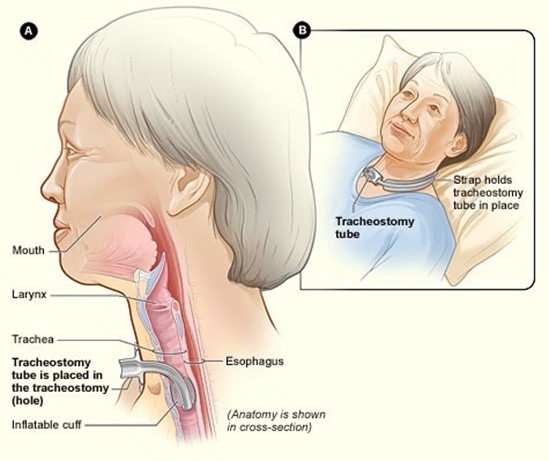
A nurse is caring for a client with a tracheostomy. The client's partner has been taught to perform suctioning. Which of the following actions by the partner should indicate to the nurse a readiness for the client's discharge?
A. Performing the procedure independently
Performing the procedure independently is the best indicator of the partner's readiness for the client's discharge, as it demonstrates competence and confidence in suctioning. Suctioning is a skill that requires practice and supervision until mastery is achieved. The nurse should observe and evaluate the partner's performance of suctioning and provide feedback and reinforcement as needed.
B. Attending a class given about tracheostomy care
Attending a class given about tracheostomy care is a good action by the partner, but not the best indicator of readiness for the client's discharge. Attending a class can provide information and education about tracheostomy care, but it does not necessarily translate into skill acquisition or application. The nurse should assess the partner's understanding and retention of the information and provide additional teaching or clarification as needed.
C. Verbalizing all steps in the procedure
Verbalizing all steps in the procedure is a good action by the partner, but not the best indicator of readiness for the client's discharge. Verbalizing all steps in the procedure can help the partner remember and follow the correct sequence and technique of suctioning, but it does not necessarily reflect actual performance or ability. The nurse should observe and verify that the partner is doing what they are saying and correct any errors or omissions as needed.
D. Asking appropriate questions about suctioning
Asking appropriate questions about suctioning is a good action by the partner, but not the best indicator of readiness for the client's discharge. Asking appropriate questions about suctioning can show interest and involvement in learning and caring for the client, but it does not necessarily indicate competence or confidence in suctioning. The nurse should answer the partner's questions and provide additional resources or referrals as needed.
This question is an excerpt from Nurse Dive's nursing test bank - ATI Med Surg Proctored Exam 1. Take the full exam now
Full Explanation
Performing the procedure independently is the best indicator of the partner's readiness for the client's discharge, as it demonstrates competence and confidence in suctioning. Suctioning is a skill that requires practice and supervision until mastery is achieved. The nurse should observe and evaluate the partner's performance of suctioning and provide feedback and reinforcement as needed.
b) Attending a class given about tracheostomy care is a good action by the partner, but not the best indicator of readiness for the client's discharge. Attending a class can provide information and education about tracheostomy care, but it does not necessarily translate into skill acquisition or application. The nurse should assess the partner's understanding and retention of the information and provide additional teaching or clarification as needed.
c) Verbalizing all steps in the procedure is a good action by the partner, but not the best indicator of readiness for the client's discharge. Verbalizing all steps in the procedure can help the partner remember and follow the correct sequence and technique of suctioning, but it does not necessarily reflect actual performance or ability. The nurse should observe and verify that the partner is doing what they are saying and correct any errors or omissions as needed.
d) Asking appropriate questions about suctioning is a good action by the partner, but not the best indicator of readiness for the client's discharge. Asking appropriate questions about suctioning can show interest and involvement in learning and caring for the client, but it does not necessarily indicate competence or confidence in suctioning. The nurse should answer the partner's questions and provide additional resources or referrals as needed.
Similar Questions
A nurse is caring for a client who asks how albuterol helps his breathing. Which of the following responses should the nurse make? (Select all that apply.)
A. The medication will prevent wheezing.
These responses are correct and explain how albuterol helps the client's breathing. Albuterol is a short- acting beta2-agonist that causes bronchodilation and relieves bronchospasm, which are the main causes of wheezing and dyspnea in clients who have asthma or COPD. By opening the airways, albuterol improves gas exchange and oxygenation.
B. The medication will decrease coughing episodes.
The medication will decrease coughing episodes. This response is incorrect and does not explain how albuterol helps the client's breathing. Albuterol does not have a direct effect on coughing, which is a reflex response to irritation or obstruction of the airways. Coughing may be beneficial for clearing secretions and mucus from the lungs, but it may also cause bronchoconstriction and inflammation. The nurse should advise the client to use other measures to decrease coughing, such as drinking fluids, using a humidifier, or taking an expectorant.
C. The medication will reduce inflammation.
The medication will reduce inflammation. This response is incorrect and does not explain how albuterol helps the client's breathing. Albuterol does not have an anti-inflammatory effect on the airways, which are often inflamed and swollen in clients who have asthma or COPD. Inflammation can contribute to airway obstruction and mucus production, which impair gas exchange and oxygenation. The nurse should inform the client that albuterol is used for quick relief of acute symptoms, but not for long-term control or prevention of inflammation. The client may need to use another medication, such as an inhaled corticosteroid, to reduce inflammation.
D. The medication will open the airways.
These responses are correct and explain how albuterol helps the client's breathing. Albuterol is a short- acting beta2-agonist that causes bronchodilation and relieves bronchospasm, which are the main causes of wheezing and dyspnea in clients who have asthma or COPD. By opening the airways, albuterol improves gas exchange and oxygenation.
E. The medication will stimulate flow of mucus.
The medication will stimulate flow of mucus. This response is incorrect and does not explain how albuterol helps the client's breathing. Albuterol does not have a direct effect on mucus production or clearance, which are often increased in clients who have asthma or COPD. Mucus can cause airway obstruction and infection, which impair gas exchange and oxygenation. The nurse should advise the client to use other measures to stimulate flow of mucus, such as drinking fluids, using a humidifier, or taking an expectorant.
Full Explanation
These responses are correct and explain how albuterol helps the client's breathing. Albuterol is a short- acting beta2-agonist that causes bronchodilation and relieves bronchospasm, which are the main causes of wheezing and dyspnea in clients who have asthma or COPD. By opening the airways, albuterol improves gas exchange and oxygenation.
b) The medication will decrease coughing episodes. This response is incorrect and does not explain how albuterol helps the client's breathing. Albuterol does not have a direct effect on coughing, which is a reflex response to irritation or obstruction of the airways. Coughing may be beneficial for clearing secretions and mucus from the lungs, but it may also cause bronchoconstriction and inflammation. The nurse should advise the client to use other measures to decrease coughing, such as drinking fluids, using a humidifier, or taking an expectorant.
c) The medication will reduce inflammation. This response is incorrect and does not explain how albuterol helps the client's breathing. Albuterol does not have an anti-inflammatory effect on the airways, which are often inflamed and swollen in clients who have asthma or COPD. Inflammation can contribute to airway obstruction and mucus production, which impair gas exchange and oxygenation. The nurse should inform the client that albuterol is used for quick relief of acute symptoms, but not for long-term control or prevention of inflammation. The client may need to use another medication, such as an inhaled corticosteroid, to reduce inflammation.
e) The medication will stimulate flow of mucus. This response is incorrect and does not explain how albuterol helps the client's breathing. Albuterol does not have a direct effect on mucus production or clearance, which are often increased in clients who have asthma or COPD. Mucus can cause airway obstruction and infection, which impair gas exchange and oxygenation. The nurse should advise the client to use other measures to stimulate flow of mucus, such as drinking fluids, using a humidifier, or taking an expectorant.

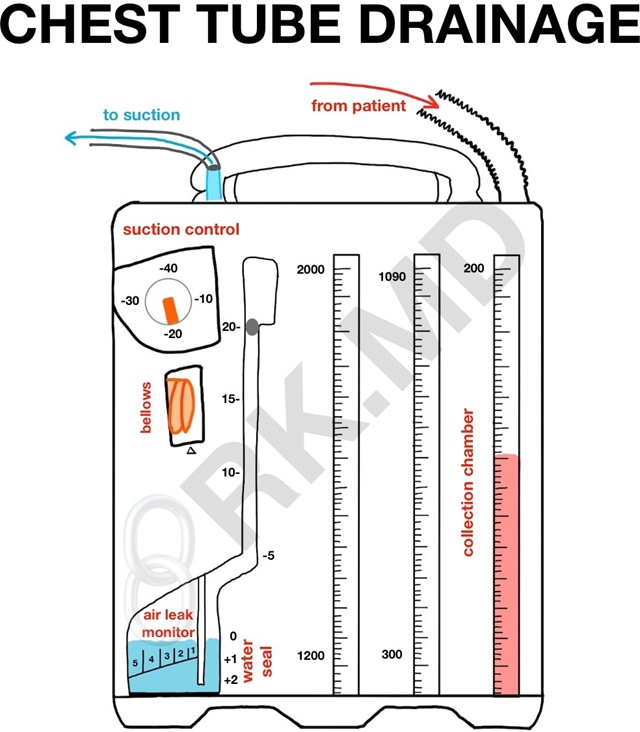
A nurse is caring for a client who has a three-chamber closed chest tube system. Which of the following actions should the nurse take after noticing a rise in the water seal chamber with client inspiration?
A. Immediately notify the provider.
Immediately notifying the provider is not necessary, as a rise in the water seal chamber with client inspiration is not an abnormal or urgent finding. The nurse should only notify the provider if there are signs of complications, such as persistent bubbling in the water seal chamber, which indicates an air leak, or no fluctuation in the water level, which indicates an obstruction or resolution of pneumothorax.
B. Clamp the chest tube near the water seal.
Clamping the chest tube near the water seal is not advisable, as it can cause increased pressure in the pleural space and lead to tension pneumothorax. Clamping the chest tube should only be done for a brief period of time and under specific circumstances, such as changing the drainage system, assessing for an air leak, or preparing for chest tube removal.
C. Continue to monitor the client.
Continuing to monitor the client is the appropriate action for the nurse to take, as a rise in the water seal chamber with client inspiration is a normal and expected finding. The water seal chamber acts as a one-way valve that allows air to exit from the pleural space and prevents air from entering. The water level in this chamber fluctuates with breathing, rising with inspiration and falling with expiration. This indicates that the chest tube system is functioning properly and that there is no air leak.
D. Reposition the client toward the left side.
Repositioning the client toward the left side is not helpful, as it does not affect the water level in the water seal chamber. The nurse should position the client according to their comfort and condition, and avoid placing them flat or on their affected side, as this can impair drainage and ventilation.
Full Explanation
Continuing to monitor the client is the appropriate action for the nurse to take, as a rise in the water seal chamber with client inspiration is a normal and expected finding. The water seal chamber acts as a one-way valve that allows air to exit from the pleural space and prevents air from entering. The water level in this chamber fluctuates with breathing, rising with inspiration and falling with expiration. This indicates that the chest tube system is functioning properly and that there is no air leak.
a) Immediately notifying the provider is not necessary, as a rise in the water seal chamber with client inspiration is not an abnormal or urgent finding. The nurse should only notify the provider if there are signs of complications, such as persistent bubbling in the water seal chamber, which indicates an air leak, or no fluctuation in the water level, which indicates an obstruction or resolution of pneumothorax.
b) Clamping the chest tube near the water seal is not advisable, as it can cause increased pressure in the pleural space and lead to tension pneumothorax. Clamping the chest tube should only be done for a brief period of time and under specific circumstances, such as changing the drainage system, assessing for an air leak, or preparing for chest tube removal.
d) Repositioning the client toward the left side is not helpful, as it does not affect the water level in the water seal chamber. The nurse should position the client according to their comfort and condition, and avoid placing them flat or on their affected side, as this can impair drainage and ventilation.
A nurse is caring for a client who has emphysema. Which of the following findings should the nurse expect to assess in this client? (Select all that apply.)
A. Dyspnea
Dyspnea, or difficulty breathing, is a common symptom of emphysema, as the client has reduced lung capacity and increased work of breathing. Dyspnea may be worse with exertion, stress, or infection, and may cause anxiety and fatigue. The nurse should monitor the client's respiratory rate, rhythm, depth, and effort, and provide oxygen therapy as prescribed.
B. Barrel chest
Barrel chest, or increased anteroposterior diameter of the chest, is a physical sign of emphysema, as the client has chronic air trapping and hyperinflation of the lungs. Barrel chest may also cause kyphosis, or curvature of the spine, and reduced chest wall movement. The nurse should measure the client's chest circumference and observe for any deformities or asymmetry.
C. Deep respirations
Deep respirations are not expected to be assessed in a client who has emphysema, as the client has shallow and rapid breathing due to air trapping and reduced lung compliance. Deep respirations may indicate other conditions, such as metabolic acidosis or anxiety. The nurse should assess the client's arterial blood gas levels and provide reassurance and relaxation techniques as needed.
D. Clubbing of the fingers
Clubbing of the fingers, or enlargement and rounding of the nail beds, is a late sign of emphysema, as the client has chronic hypoxia and tissue ischemia. Clubbing may also affect the toes and ears, and may indicate pulmonary or cardiac disease. The nurse should inspect the client's nails for shape, color, angle, and capillary refill.
E. Bradycardia
Bradycardia, or slow heart rate, is not expected to be assessed in a client who has emphysema, as the client has tachycardia or normal heart rate due to hypoxia and increased sympathetic stimulation. Bradycardia may indicate other conditions, such as medication side effects, vagal stimulation, or heart block. The nurse should monitor the client's pulse rate, rhythm, quality, and electrocardiogram as indicated.
Full Explanation
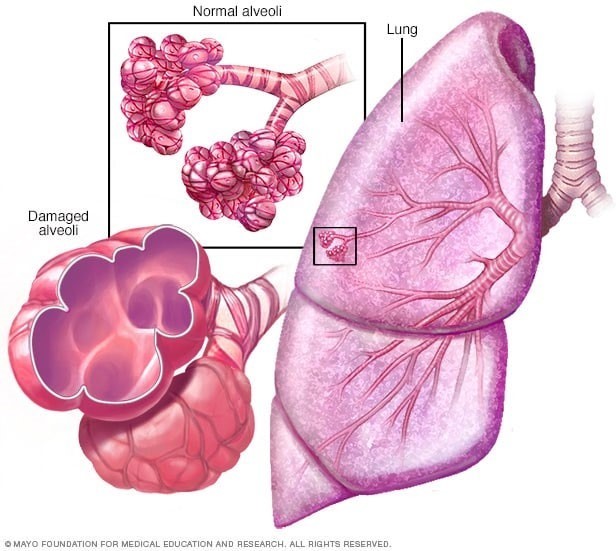
These findings are expected to be assessed in a client who has emphysema, which is a type of chronic obstructive pulmonary disease (COPD) characterized by destruction and enlargement of alveoli, loss of elastic recoil, and air trapping. These changes impair gas exchange and oxygenation, leading to chronic hypoxia and hypercapnia.
a) Dyspnea, or difficulty breathing, is a common symptom of emphysema, as the client has reduced lung capacity and increased work of breathing. Dyspnea may be worse with exertion, stress, or infection, and may cause anxiety and fatigue. The nurse should monitor the client's respiratory rate, rhythm, depth, and effort, and provide oxygen therapy as prescribed.
b) Barrel chest, or increased anteroposterior diameter of the chest, is a physical sign of emphysema, as the client has chronic air trapping and hyperinflation of the lungs. Barrel chest may also cause kyphosis, or curvature of the spine, and reduced chest wall movement. The nurse should measure the client's chest circumference and observe for any deformities or asymmetry.
d) Clubbing of the fingers, or enlargement and rounding of the nail beds, is a late sign of emphysema, as the client has chronic hypoxia and tissue ischemia. Clubbing may also affect the toes and ears, and may indicate pulmonary or cardiac disease. The nurse should inspect the client's nails for shape, color, angle, and capillary refill.
c) Deep respirations are not expected to be assessed in a client who has emphysema, as the client has shallow and rapid breathing due to air trapping and reduced lung compliance. Deep respirations may indicate other conditions, such as metabolic acidosis or anxiety. The nurse should assess the client's arterial blood gas levels and provide reassurance and relaxation techniques as needed.
e) Bradycardia, or slow heart rate, is not expected to be assessed in a client who has emphysema, as the client has tachycardia or normal heart rate due to hypoxia and increased sympathetic stimulation. Bradycardia may indicate other conditions, such as medication side effects, vagal stimulation, or heart block. The nurse should monitor the client's pulse rate, rhythm, quality, and electrocardiogram as indicated.