Nursing practice questions with comprehensive rationales
NurseDive Free Nursing Practice Question
A nurse is caring for a group of clients. From which of the following clients should the nurse obtain a blood pressure reading using only the left extremity?
A. A client who has a peripherally inserted central catheter (PICC) in the left arm
While it is generally advised to avoid taking blood pressure readings from an arm with a PICC line to prevent complications, if the right arm cannot be used, as may be the case with the other clients listed, the nurse may have to use the left arm with extreme caution, ensuring not to disrupt the PICC line.
B. A client who has left-sided Bell's palsy
Bell's palsy affects facial nerves and does not typically impact the measurement of blood pressure. Therefore, there is no contraindication to using the left arm for a blood pressure reading in a client with left-sided Bell's palsy.
C. A client who has right-sided weakness due to Parkinson's disease
A client with right-sided weakness due to Parkinson's disease can have their blood pressure taken on the left side if the right side is too weak to provide an accurate reading or if using the right side would cause discomfort to the client.
D. A client who has a right upper extremity arteriovenous fistula
For a client with a right upper extremity arteriovenous fistula, typically created for dialysis access, blood pressure measurements should not be taken on that arm to avoid damaging the fistula. Therefore, the left arm should be used for blood pressure readings in this case.
This question is an excerpt from Nurse Dive's nursing test bank - Ati Rn Adult Medical Surgical 2023 Proctored Exam. Take the full exam now
Full Explanation
Choice A reason: While it is generally advised to avoid taking blood pressure readings from an arm with a PICC line to prevent complications, if the right arm cannot be used, as may be the case with the other clients listed, the nurse may have to use the left arm with extreme caution, ensuring not to disrupt the PICC line.
Choice B reason: Bell's palsy affects facial nerves and does not typically impact the measurement of blood pressure. Therefore, there is no contraindication to using the left arm for a blood pressure reading in a client with left-sided Bell's palsy.
Choice C reason: A client with right-sided weakness due to Parkinson's disease can have their blood pressure taken on the left side if the right side is too weak to provide an accurate reading or if using the right side would cause discomfort to the client.
Choice D reason: For a client with a right upper extremity arteriovenous fistula, typically created for dialysis access, blood pressure measurements should not be taken on that arm to avoid damaging the fistula. Therefore, the left arm should be used for blood pressure readings in this case.
Similar Questions
A nurse is assessing a client who has increased intracranial pressure. The nurse should recognize that which of the following is the first sign of deteriorating neurological status?
A. Cheyne-Stokes respirations
Cheyne-Stokes respirations, characterized by a pattern of irregular breathing with periods of apnea, can be a sign of brain stem compression due to increased intracranial pressure. However, it is not typically the first sign of deteriorating neurological status.
B. Pupillary dilation
Pupillary dilation, especially if it is unilateral, can indicate pressure on the cranial nerves due to increased intracranial pressure. It is a concerning sign but may not be the first to appear as neurological function deteriorates.
C. Altered level of consciousness
An altered level of consciousness is often the first sign of deteriorating neurological status in a patient with increased intracranial pressure. Changes in consciousness can range from slight disorientation or confusion to complete unresponsiveness.
D. Decorticate posturing
Decorticate posturing, which involves abnormal flexion of the arms with extension of the legs, indicates significant brain injury and is a later sign of increased intracranial pressure, not typically the first sign.
Full Explanation
Choice A reason: Cheyne-Stokes respirations, characterized by a pattern of irregular breathing with periods of apnea, can be a sign of brain stem compression due to increased intracranial pressure. However, it is not typically the first sign of deteriorating neurological status.
Choice B reason: Pupillary dilation, especially if it is unilateral, can indicate pressure on the cranial nerves due to increased intracranial pressure. It is a concerning sign but may not be the first to appear as neurological function deteriorates.
Choice C reason: An altered level of consciousness is often the first sign of deteriorating neurological status in a patient with increased intracranial pressure. Changes in consciousness can range from slight disorientation or confusion to complete unresponsiveness.
Choice D reason: Decorticate posturing, which involves abnormal flexion of the arms with extension of the legs, indicates significant brain injury and is a later sign of increased intracranial pressure, not typically the first sign.
A nurse is assessing a client who has myasthenia gravis. Which of the following client statements should indicate to the nurse that the client needs a referral for occupational therapy?
A. "I've been having problems with bladder control."
While bladder control issues can significantly affect a client's quality of life, they are typically managed by a urologist or a specialist in continence, rather than an occupational therapist. Occupational therapy focuses on improving the ability to perform activities of daily living (ADLs), which generally does not include bladder control.
B. "I have difficulty swallowing food."
Difficulty swallowing, known as dysphagia, can be a symptom of myasthenia gravis due to muscle weakness. Although it is a serious concern, it is usually managed with the help of a speech therapist who specializes in swallowing difficulties, rather than an occupational therapist.
C. "I have a hard time with brushing my hair."
Having a hard time with brushing hair is directly related to the performance of ADLs, which is the primary focus of occupational therapy. An occupational therapist can assist the client by teaching energy conservation techniques, providing adaptive equipment, and modifying the task to make it easier for the client to maintain personal grooming independently.
D. "I would rather be in a wheelchair than use a walker to get around."
Preferring a wheelchair over a walker is a matter of mobility and personal preference. While occupational therapy can help with mobility issues, this statement alone does not indicate a need for occupational therapy unless the client has difficulty performing ADLs due to the choice of mobility aid.
Full Explanation
Choice A reason: While bladder control issues can significantly affect a client's quality of life, they are typically managed by a urologist or a specialist in continence, rather than an occupational therapist. Occupational therapy focuses on improving the ability to perform activities of daily living (ADLs), which generally does not include bladder control.
Choice B reason: Difficulty swallowing, known as dysphagia, can be a symptom of myasthenia gravis due to muscle weakness. Although it is a serious concern, it is usually managed with the help of a speech therapist who specializes in swallowing difficulties, rather than an occupational therapist.
Choice C reason: Having a hard time with brushing hair is directly related to the performance of ADLs, which is the primary focus of occupational therapy. An occupational therapist can assist the client by teaching energy conservation techniques, providing adaptive equipment, and modifying the task to make it easier for the client to maintain personal grooming independently.
Choice D reason: Preferring a wheelchair over a walker is a matter of mobility and personal preference. While occupational therapy can help with mobility issues, this statement alone does not indicate a need for occupational therapy unless the client has difficulty performing ADLs due to the choice of mobility aid.
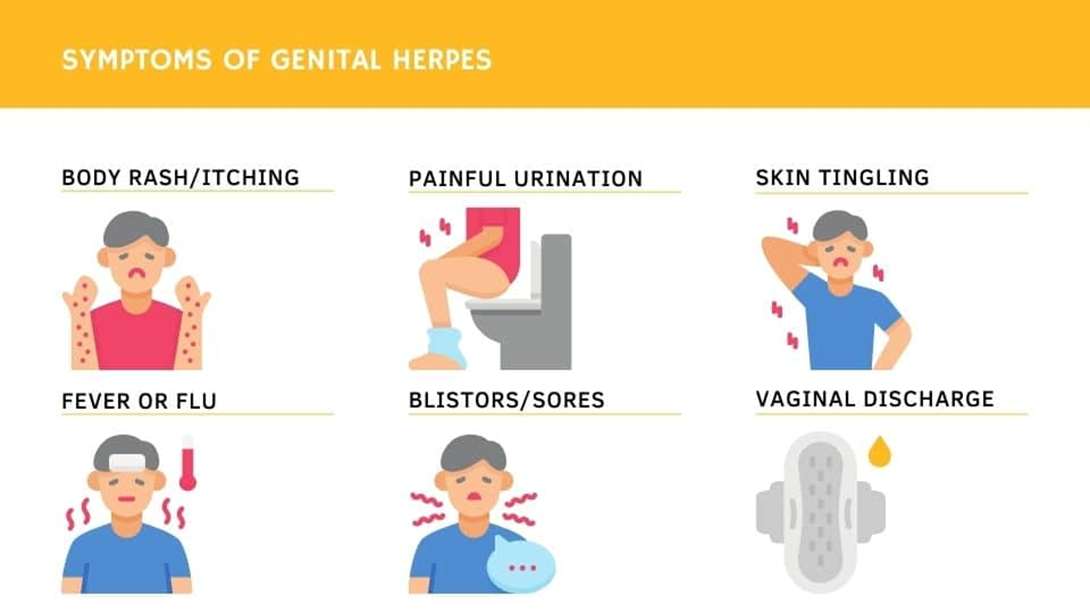
A nurse is providing discharge teaching for a client who is receiving treatment for genital herpes. Which of the following statements by the client indicates the effectiveness of the teaching?
A. "I should apply antibiotic ointment to the lesions."
Applying antibiotic ointment to the lesions is not recommended for the treatment of genital herpes, which is caused by a virus, not bacteria. Antiviral medications are the appropriate treatment for managing herpes outbreaks.
B. "I should use natural skin condoms during sexual intercourse."
Natural skin condoms are not effective in preventing the transmission of genital herpes because the virus can pass through the natural membrane. The use of latex or polyurethane condoms is recommended as they are more effective in reducing the risk of transmission.
C. "I should expect my lesions to resolve in 6 weeks."
Expecting lesions to resolve in 6 weeks may not be accurate as the duration of a herpes outbreak can vary. Most herpes lesions tend to resolve within 2 to 4 weeks. However, the virus remains in the body and can cause recurrent outbreaks.
D. "I should expect to take my medication for 3 weeks."
The duration of medication for genital herpes depends on whether the treatment is for an initial outbreak, chronic suppression, or episodic therapy. For an initial outbreak, antiviral medication is typically taken for 7 to 10 days. For chronic suppression, medication might be taken daily for an extended period to prevent or reduce the frequency of outbreaks.
Full Explanation
Choice A reason: Applying antibiotic ointment to the lesions is not recommended for the treatment of genital herpes, which is caused by a virus, not bacteria. Antiviral medications are the appropriate treatment for managing herpes outbreaks.
Choice B reason: Natural skin condoms are not effective in preventing the transmission of genital herpes because the virus can pass through the natural membrane. The use of latex or polyurethane condoms is recommended as they are more effective in reducing the risk of transmission.
Choice C reason: Expecting lesions to resolve in 6 weeks may not be accurate as the duration of a herpes outbreak can vary. Most herpes lesions tend to resolve within 2 to 4 weeks. However, the virus remains in the body and can cause recurrent outbreaks.
Choice D reason: The duration of medication for genital herpes depends on whether the treatment is for an initial outbreak, chronic suppression, or episodic therapy. For an initial outbreak, antiviral medication is typically taken for 7 to 10 days. For chronic suppression, medication might be taken daily for an extended period to prevent or reduce the frequency of outbreaks.