Nursing practice questions with comprehensive rationales
NurseDive Free Nursing Practice Question
A nurse is caring for a newborn 4 hours after birth. Which of the following actions should the nurse include in the plan of care to prevent jaundice?
A. Prepare for an exchange blood transfusion.
Initiating early feeding helps promote the passage of meconium, which contains bilirubin, out of the newborn's body, reducing the risk of jaundice.
B. Initiate early feeding.
Preparing for an exchange blood transfusion is not appropriate for preventing jaundice at this stage. Exchange transfusion is a treatment option for severe hyperbilirubinemia that has notresponded to other measures.
C. Suction excess mucus with a bulb syringe.
Suctioning excess mucus with a bulb syringe is important for maintaining a patent airway in the newborn but does not directly prevent jaundice.
D. Begin phototherapy.
Beginning phototherapy is a treatment for jaundice once it has occurred but is not a preventive measure.
This question is an excerpt from Nurse Dive's nursing test bank - Ati N230 Exam 3 With Ngn Maternal Newborn Proctored Exam. Take the full exam now
Full Explanation
A. Initiating early feeding helps promote the passage of meconium, which contains bilirubin, out of the newborn's body, reducing the risk of jaundice.
B. Preparing for an exchange blood transfusion is not appropriate for preventing jaundice at this stage. Exchange transfusion is a treatment option for severe hyperbilirubinemia that has not
responded to other measures.
C. Suctioning excess mucus with a bulb syringe is important for maintaining a patent airway in the newborn but does not directly prevent jaundice.
D. Beginning phototherapy is a treatment for jaundice once it has occurred but is not a preventive measure.
Similar Questions
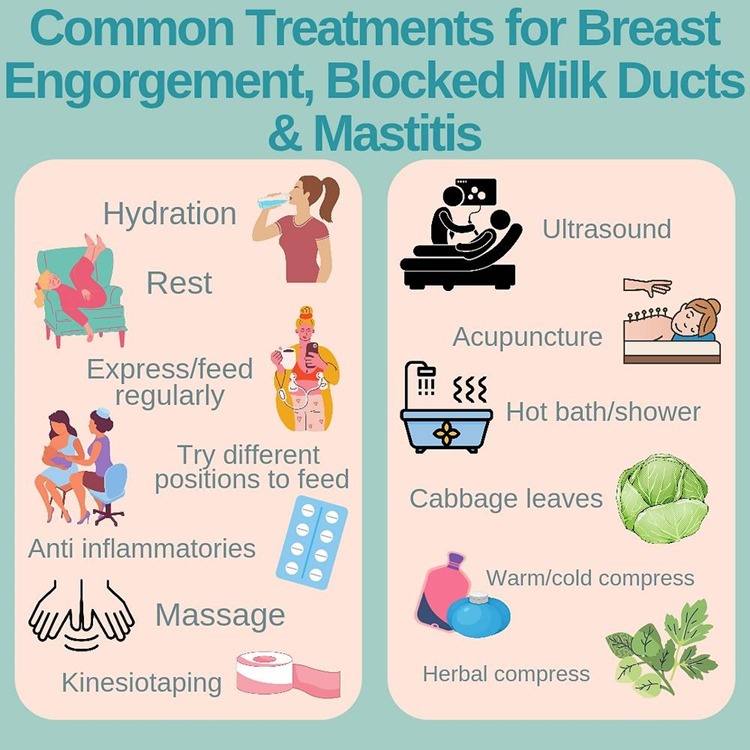
A nurse is providing teaching about comfort measures for breast engorgement to a client who is postpartum and is breastfeeding. Which of the following statements by the client indicates a need for further teaching?
A. "I will apply ice packs to my breasts after feeding."
Applying ice packs to the breasts after feeding can help reduce swelling and discomfort associated with breast engorgement.
B. "I should apply hot packs to my breasts during feeding."
Applying hot packs to the breasts during feeding can increase blood flow and exacerbate engorgement. Heat can worsen inflammation and discomfort in the breasts.
C. "I should crush cabbage leaves and place them on my breasts."
Crushed cabbage leaves can be applied to the breasts between feedings to help reduce swelling and discomfort associated with engorgement.
D. "I will breastfeed every 2 hours."
Breastfeeding every 2 hours helps to ensure frequent emptying of the breasts, which can help alleviate engorgement.
Full Explanation
A. Applying ice packs to the breasts after feeding can help reduce swelling and discomfort associated with breast engorgement.
B. Applying hot packs to the breasts during feeding can increase blood flow and exacerbate engorgement. Heat can worsen inflammation and discomfort in the breasts.
C. Crushed cabbage leaves can be applied to the breasts between feedings to help reduce swelling and discomfort associated with engorgement.
D. Breastfeeding every 2 hours helps to ensure frequent emptying of the breasts, which can help alleviate engorgement.
A nurse is caring for a client who reports unrelieved episiotomy pain 8 hours following a vaginal birth. Which of the following actions should the nurse take?
A. Apply an ice pack to the affected area.
Applying an ice pack may provide temporary relief from pain and swelling, but in this case, since the pain is unrelieved, a warm sitz bath would be more appropriate to promote relaxation and healing of the perineal area.
B. Place a hot pack to the perineum.
Applying a hot pack to the perineum may increase inflammation and discomfort rather than providing relief.
C. Provide a squeeze bottle of antiseptic solution.
Providing a squeeze bottle of antiseptic solution may help with perineal hygiene but will not directly address the unrelieved pain from the episiotomy.
D. Offer a warm sitz bath.
Offering a warm sitz bath can help soothe the perineal area, promote healing, and provide relief from episiotomy pain by increasing blood flow to the area and relaxing the muscles.
Full Explanation
A. Applying an ice pack may provide temporary relief from pain and swelling, but in this case, since the pain is unrelieved, a warm sitz bath would be more appropriate to promote relaxation and healing of the perineal area.
B. Applying a hot pack to the perineum may increase inflammation and discomfort rather than providing relief.
C. Providing a squeeze bottle of antiseptic solution may help with perineal hygiene but will not directly address the unrelieved pain from the episiotomy.
D. Offering a warm sitz bath can help soothe the perineal area, promote healing, and provide relief from episiotomy pain by increasing blood flow to the area and relaxing the muscles.
A nurse is providing teaching about comfort measures for breast engorgement to a client who is postpartum and is breastfeeding. Which of the following statements by the client indicates a need for further teaching?
A. "I will apply ice packs to my breasts after feeding."
Applying ice packs to the breasts after feeding can help reduce swelling and discomfort associated with breast engorgement.
B. "I should apply hot packs to my breasts during feeding."
Applying hot packs to the breasts during feeding can increase blood flow and exacerbate engorgement. Heat can worsen inflammation and discomfort in the breasts.
C. "I should crush cabbage leaves and place them on my breasts."
Crushed cabbage leaves can be applied to the breasts between feedings to help reduce swelling and discomfort associated with engorgement.
D. "I will breastfeed every 2 hours."
Breastfeeding every 2 hours helps to ensure frequent emptying of the breasts, which can help alleviate engorgement.
Full Explanation
A. Applying ice packs to the breasts after feeding can help reduce swelling and discomfort associated with breast engorgement.
B. Applying hot packs to the breasts during feeding can increase blood flow and exacerbate engorgement. Heat can worsen inflammation and discomfort in the breasts.
C. Crushed cabbage leaves can be applied to the breasts between feedings to help reduce swelling and discomfort associated with engorgement.
D. Breastfeeding every 2 hours helps to ensure frequent emptying of the breasts, which can help alleviate engorgement.