
Nursing practice questions with comprehensive rationales
NurseDive Free Nursing Practice Question
A nurse is caring for several clients on a medical-surgical unit. Which of the following client care situations requires the nurse to complete an incident report?
A. The nurse disagrees with the nurse manager about inadequate staffing.
Isnot a situation that would require an incident report according to the information provided in my sources.
B. A staff member has not arrived at the facility to work an assigned shift.
This is not a situation that would require an incident report according to the information provided in my sources.
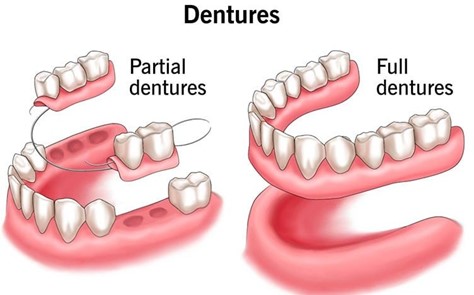
C. A client tells the nurse that his dentures are missing.
An incident report should be filed whenever an unexpected event occurs. The rule of thumb is that any time a patient makes a complaint, a medication error occurs, a medical device malfunctions, or anyone— patient, staff member, or visitor—is injured or involved in a situation with the potential for injury, an incident report is required ⁴. In this case, the client's missing dentures would be considered a complaint and would require the nurse to complete an incident report.
D. The nurse discovers that the client does not have advanced directives.
Isnot a situation that would require an incident report according to the information provided in my sources.
This question is an excerpt from Nurse Dive's nursing test bank - ATI PN Medical Surgical Leadership Proctored Exam. Take the full exam now
Full Explanation
An incident report should be filed whenever an unexpected event occurs. The rule of thumb is that any time a patient makes a complaint, a medication error occurs, a medical device malfunctions, or anyone— patient, staff member, or visitor—is injured or involved in a situation with the potential for injury, an incident report is required ⁴. In this case, the client's missing dentures would be considered a complaint and would require the nurse to complete an incident report.
The other options do not require an incident report. Disagreeing with the nurse manager about inadequate staffing [a], a staff member not arriving at the facility to work an assigned shift [b], and discovering that the client does not have advanced directives [d] are not situations that would require an incident report according to the information provided in my sources.
Similar Questions
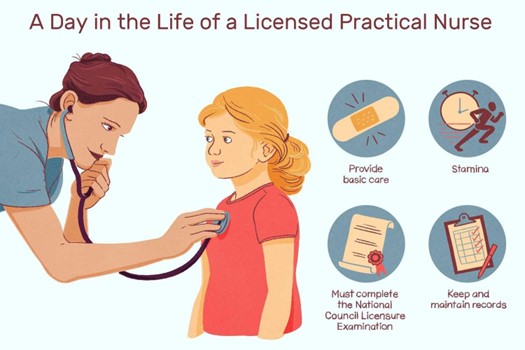
The best source of information regarding the roles of the LPN in a med-surg setting is:
A. The facility's Human Resources Department
May have information about job descriptions and responsibilities specific to that facility.
B. The State Board of Nursing.
The State Board of Nursing is responsible for regulating the practice of nursing within a specific state. It establishes the scope of practice for LPNs and sets the standards for their education, licensure, and practice. Therefore, the State Board of Nursing would be the best source of information regarding the roles of an LPN in a med-surg setting.
C. Nursing textbooks.
May provide general information about the roles of LPNs.
D. Coworkers on your unit.
May have personal experience and knowledge about the roles of LPNs in that specific unit, but their information may not be comprehensive or up-to-date.
Full Explanation
The State Board of Nursing is responsible for regulating the practice of nursing within a specific state. It establishes the scope of practice for LPNs and sets the standards for their education, licensure, and practice. Therefore, the State Board of Nursing would be the best source of information regarding the roles of an LPN in a med-surg setting.
The other options may provide some information about the roles of an LPN in a med-surg setting, but they are not the primary source. The facility Human Resources Department [a] may have information about job descriptions and responsibilities specific to that facility. Nursing textbooks [c] may provide general information about the roles of LPNs. Coworkers on your unit [d] may have personal experience and knowledge about the roles of LPNs in that specific unit, but their information may not be comprehensive or up-to-date.
Doing no harm is?
A. Justice
refers to the fair distribution of benefits and burdens in society.
B. Nonmaleficence
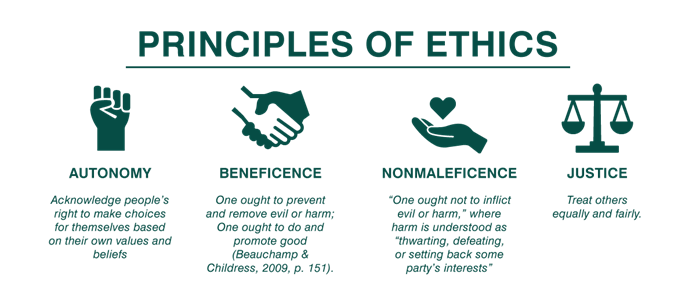
Nonmaleficence is the ethical principle of doing no harm. It requires healthcare providers to avoid causing harm to their patients and to take steps to prevent harm from occurring.
C. Beneficence
refers to the obligation to do good and promote the well-being of others.
D. Veracity
refers to the obligation to tell the truth and not deceive others.
Full Explanation
Nonmaleficence is the ethical principle of doing no harm. It requires healthcare providers to avoid causing harm to their patients and to take steps to prevent harm from occurring.
The other options are also important ethical principles in healthcare, but they do not specifically refer to doing no harm. Justice [a] refers to the fair distribution of benefits and burdens in society. Beneficence [c] refers to the obligation to do good and promote the well-being of others. Veracity [d] refers to the obligation, to tell the truth and not deceive others.
A nurse is assigning tasks for the upcoming shift. Which of the following tasks should the nurse delegate to assistive personnel (AP)? (Select all that apply.)
A. Providing postmortem care to a client who has just passed away.
Providing postmortem care to a client who has just passed away is a task that can be delegated to assistive personnel (AP). Postmortem care involves cleaning and preparing the body after death and is not a task that requires the specialized skills or judgement of a nurse. It is important to note that while the physical task of postmortem care can be delegated, the nurse is still responsible for providing emotional support and information to the family, coordinating with the morgue or funeral home, and completing any required documentation.
B. Instructing a client about the use of a spirometer.
Instructing a client about the use of a spirometer is not a task that should be delegated to assistive personnel. Patient education requires assessment and evaluation of the patient’s understanding, which are nursing responsibilities. A spirometer is a medical device used to measure lung function and is often used after surgery to help prevent complications like pneumonia. Proper use of the spirometer is crucial to its effectiveness, so it is important that the instruction is clear and understood by the patient.
C. Suctioning a client's newly inserted tracheostomy.
Suctioning a client’s newly inserted tracheostomy is not a task that should be delegated to assistive personnel. Tracheostomy care, especially suctioning, requires specialized skills and knowledge, as well as the ability to assess the patient’s respiratory status. Improper suctioning can cause trauma to the trachea, hypoxia, or infection. Therefore, this task should be performed by a nurse or other licensed healthcare professional.
D. Transferring a client to radiology for x-rays.
Transferring a client to radiology for x-rays is a task that can be delegated to assistive personnel. This task involves physical assistance and does not require specialized nursing skills or judgement. However, the nurse should provide the AP with any necessary information about the patient’s condition, mobility, and any precautions that need to be taken during the transfer.
E. Performing a simple dressing change on a client's arm.
Performing a simple dressing change on a client’s arm is a task that can be delegated to assistive personnel. This task involves changing the bandages on a wound, which is a task that does not require specialized nursing skills or judgement. However, the nurse should ensure that the AP has been properly trained in dressing changes, understands the importance of infection control, and knows when to report any changes in the wound’s appearance.
Full Explanation
The correct answers are Choices A, D, and E.
Choice A rationale: Providing postmortem care to a client who has just passed away is a task that can be delegated to assistive personnel (AP). Postmortem care involves cleaning and preparing the body after death and is not a task that requires the specialized skills or judgement of a nurse. It is important to note that while the physical task of postmortem care can be delegated, the nurse is still responsible for providing emotional support and information to the family, coordinating with the morgue or funeral home, and completing any required documentation.
Choice B rationale: Instructing a client about the use of a spirometer is not a task that should be delegated to assistive personnel. Patient education requires assessment and evaluation of the patient’s understanding, which are nursing responsibilities. A spirometer is a medical device used to measure lung function and is often used after surgery to help prevent complications like pneumonia. Proper use of the spirometer is crucial to its effectiveness, so it is important that the instruction is clear and understood by the patient.
Choice C rationale: Suctioning a client’s newly inserted tracheostomy is not a task that should be delegated to assistive personnel. Tracheostomy care, especially suctioning, requires specialized skills and knowledge, as well as the ability to assess the patient’s respiratory status. Improper suctioning can cause trauma to the trachea, hypoxia, or infection. Therefore, this task should be performed by a nurse or other licensed healthcare professional.
Choice D rationale: Transferring a client to radiology for x-rays is a task that can be delegated to assistive personnel. This task involves physical assistance and does not require specialized nursing skills or judgement. However, the nurse should provide the AP with any necessary information about the patient’s condition, mobility, and any precautions that need to be taken during the transfer.
Choice E rationale: Performing a simple dressing change on a client’s arm is a task that can be delegated to assistive personnel. This task involves changing the bandages on a wound, which is a task that does not require specialized nursing skills or judgement. However, the nurse should ensure that the AP has been properly trained in dressing changes, understands the importance of infection control, and knows when to report any changes in the wound’s appearance.