Nursing practice questions with comprehensive rationales
NurseDive Free Nursing Practice Question
A nurse is collecting a medication history from a client who is scheduled to have a cardiac catheterization. Which of the following medications taken by the client interacts with contrast material and places the client at risk for acute kidney injury?
A. Carvedilol
Carvedilol is not a medication that interacts with contrast material and places the client at risk for acute kidney injury. Carvedilol is a beta-blocker that lowers blood pressure and heart rate by blocking the effects of adrenaline on the heart and blood vessels. Carvedilol does not affect kidney function or contrast excretion, but it can cause hypotension, bradycardia, or heart failure in some clients.
B. Nitroglycerin
Nitroglycerin is not a medication that interacts with contrast material and places the client at risk for acute kidney injury. Nitroglycerin is a vasodilator that relaxes the smooth muscles of the blood vessels and increases blood flow to the heart. Nitroglycerin does not affect kidney function or contrast excretion, but it can cause hypotension, headache, or flushing in some clients.
C. Atorvastatin
Atorvastatin is not a medication that interacts with contrast material and places the client at risk for acute kidney injury. Atorvastatin is a statin that lowers cholesterol levels by inhibiting an enzyme that produces cholesterol in the liver. Atorvastatin does not affect kidney function or contrast excretion, but it can cause liver damage, muscle pain, or rhabdomyolysis in some clients.
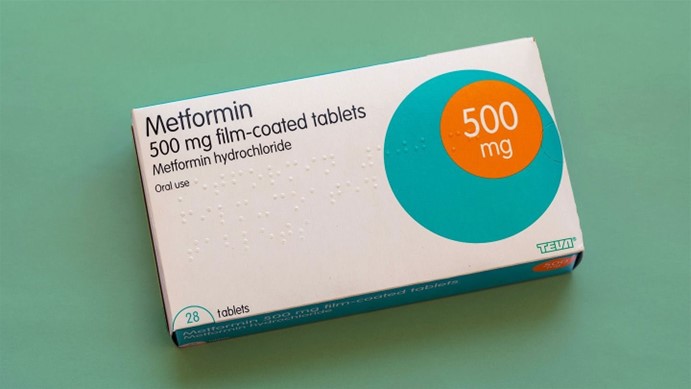
D. Metformin
Metformin is a medication that interacts with contrast material and places the client at risk for acute kidney injury. Metformin is an oral antidiabetic drug that lowers blood glucose levels by decreasing hepatic glucose production and increasing insulin sensitivity. Metformin can accumulate in the kidneys and cause lactic acidosis, a life-threatening condition characterized by high levels of lactic acid in the blood. Contrast material can worsen kidney function and increase the risk of lactic acidosis in clients taking metformin. Therefore, metformin should be discontinued before and after the procedure as prescribed.
This question is an excerpt from Nurse Dive's nursing test bank - ATI Med Surg 2 Proctored Exam. Take the full exam now
Full Explanation
Choice A: Carvedilol is not a medication that interacts with contrast material and places the client at risk for acute kidney injury. Carvedilol is a beta-blocker that lowers blood pressure and heart rate by blocking the effects of adrenaline on the heart and blood vessels. Carvedilol does not affect kidney function or contrast excretion, but it can cause hypotension, bradycardia, or heart failure in some clients.
Choice B: Nitroglycerin is not a medication that interacts with contrast material and places the client at risk for acute kidney injury. Nitroglycerin is a vasodilator that relaxes the smooth muscles of the blood vessels and increases blood flow to the heart. Nitroglycerin does not affect kidney function or contrast excretion, but it can cause hypotension, headache, or flushing in some clients.
Choice C: Atorvastatin is not a medication that interacts with contrast material and places the client at risk for acute kidney injury. Atorvastatin is a statin that lowers cholesterol levels by inhibiting an enzyme that produces cholesterol in the liver. Atorvastatin does not affect kidney function or contrast excretion, but it can cause liver damage, muscle pain, or rhabdomyolysis in some clients.
Choice D: Metformin is a medication that interacts with contrast material and places the client at risk for acute kidney injury. Metformin is an oral antidiabetic drug that lowers blood glucose levels by decreasing hepatic glucose production and increasing insulin sensitivity. Metformin can accumulate in the kidneys and cause lactic acidosis, a life-threatening condition characterized by high levels of lactic acid in the blood. Contrast material can worsen kidney function and increase the risk of lactic acidosis in clients taking metformin. Therefore, metformin should be discontinued before and after the procedure as prescribed.
Similar Questions
A nurse is reviewing a client's laboratory values. Which of the following values should the nurse report to the provider?
A. Hct 45%
Hct 45% is not a value that the nurse should report to the provider. Hct, or hematocrit, is the percentage of red blood cells in the total blood volume. The normal range for Hct is 37% to 51% for men and 32% to 45% for women. Hct 45% is within the normal range and does not indicate any abnormality.
B. Platelets 160,000/mm³
Platelets 160,000/mm³ is not a value that the nurse should report to the provider. Platelets, or thrombocytes, are cell fragments that help with blood clotting and hemostasis. The normal range for platelets is 150,000 to 450,000/mm³. Platelets 160,000/mm³ is within the normal range and does not indicate any abnormality.
C. WBC 1,700/mm³
WBC 1,700/mm³ is a value that the nurse should report to the provider. WBC, or white blood cells, are cells that fight infection and inflammation. The normal range for WBC is 4,500 to 11,000/mm³. WBC 1,700/mm³ is below the normal range and indicates leukopenia, which is a low number of white blood cells. Leukopenia can be caused by various conditions, such as viral infections, autoimmune disorders, bone marrow suppression, or chemotherapy. Leukopenia can increase the risk of infection and sepsis and requires prompt evaluation and treatment.
D. Hgb 14.7 g/dL
Hgb 14.7 g/dL is not a value that the nurse should report to the provider. Hgb, or hemoglobin, is a protein in red blood cells that carries oxygen to the tissues. The normal range for Hgb is 13.5 to 17.5 g/dL for men and 12.0 to 15.5 g/dL for women. Hgb 14.7 g/dL is within the normal range and does not indicate any abnormality.
Full Explanation
Choice A: Hct 45% is not a value that the nurse should report to the provider. Hct, or hematocrit, is the percentage of red blood cells in the total blood volume. The normal range for Hct is 37% to 51% for men and 32% to 45% for women. Hct 45% is within the normal range and does not indicate any abnormality.
Choice B: Platelets 160,000/mm³ is not a value that the nurse should report to the provider. Platelets, or thrombocytes, are cell fragments that help with blood clotting and hemostasis. The normal range for platelets is 150,000 to 450,000/mm³. Platelets 160,000/mm³ is within the normal range and does not indicate any abnormality.
Choice C: WBC 1,700/mm³ is a value that the nurse should report to the provider. WBC, or white blood cells, are cells that fight infection and inflammation. The normal range for WBC is 4,500 to 11,000/mm³. WBC 1,700/mm³ is below the normal range and indicates leukopenia, which is a low number of white blood cells. Leukopenia can be caused by various conditions, such as viral infections, autoimmune disorders, bone marrow suppression, or chemotherapy. Leukopenia can increase the risk of infection and sepsis and requires prompt evaluation and treatment.
Choice D: Hgb 14.7 g/dL is not a value that the nurse should report to the provider. Hgb, or hemoglobin, is a protein in red blood cells that carries oxygen to the tissues. The normal range for Hgb is 13.5 to 17.5 g/dL for men and 12.0 to 15.5 g/dL for women. Hgb 14.7 g/dL is within the normal range and does not indicate any abnormality.
A nurse is providing discharge teaching to a client who has a new arteriovenous fistula in the right forearm. Which of the following manifestations should the nurse include in the teaching as a possible indication of venous insufficiency?
A. Cold and numb sensation distal to the fistula site
Cold and numb sensation distal to the fistula site is a possible indication of venous insufficiency. Venous insufficiency is a condition in which the veins have difficulty returning blood from the limbs to the heart, resulting in blood pooling and reduced perfusion. A new arteriovenous fistula can cause increased blood flow through the artery and decreased blood flow through the vein, leading to venous insufficiency. This can manifest as coldness, numbness, tingling, or cyanosis in the fingers or hand below the fistula site.
B. A raised red rash around the fistula site
A raised red rash around the fistula site is not a possible indication of venous insufficiency. A raised red rash around the fistula site can indicate an allergic reaction, an infection, or an inflammation of the skin or subcutaneous tissue. The nurse should assess the rash for size, shape, color, texture, temperature, and drainage, and report any signs of infection or inflammation, such as fever, pus, or swelling.
C. Pain in the right arm proximal to the fistula site
Pain in the right arm proximal to the fistula site is not a possible indication of venous insufficiency. Pain in the right arm proximal to the fistula site can indicate arterial insufficiency, which is a condition in which the arteries have difficulty delivering oxygen-rich blood to the tissues, resulting in ischemia and necrosis. Arterial insufficiency can be caused by atherosclerosis, thrombosis, embolism, or vasospasm. The nurse should assess the pain for location, intensity, duration, frequency, and quality, and report any signs of ischemia or necrosis, such as pallor, coolness, weak pulses, or ulceration.
D. Foul-smelling drainage from the fistula site
Foul-smelling drainage from the fistula site is not a possible indication of venous insufficiency. Foul- smelling drainage from the fistula site can indicate an infection of the fistula or surrounding tissue. The nurse should assess the drainage for color, odor, amount, and consistency, and report any signs of infection or sepsis, such as fever, chills, malaise, or hypotension.
Full Explanation
Choice A: Cold and numb sensation distal to the fistula site is a possible indication of venous insufficiency. Venous insufficiency is a condition in which the veins have difficulty returning blood from the limbs to the heart, resulting in blood pooling and reduced perfusion. A new arteriovenous fistula can cause increased blood flow through the artery and decreased blood flow through the vein, leading to venous insufficiency. This can manifest as coldness, numbness, tingling, or cyanosis in the fingers or hand below the fistula site.
Choice B: A raised red rash around the fistula site is not a possible indication of venous insufficiency. A raised red rash around the fistula site can indicate an allergic reaction, an infection, or an inflammation of the skin or subcutaneous tissue. The nurse should assess the rash for size, shape, color, texture, temperature, and drainage, and report any signs of infection or inflammation, such as fever, pus, or swelling.
Choice C: Pain in the right arm proximal to the fistula site is not a possible indication of venous insufficiency. Pain in the right arm proximal to the fistula site can indicate arterial insufficiency, which is a condition in which the arteries have difficulty delivering oxygen-rich blood to the tissues, resulting in ischemia and necrosis. Arterial insufficiency can be caused by atherosclerosis, thrombosis, embolism, or vasospasm. The nurse should assess the pain for location, intensity, duration, frequency, and quality, and report any signs of ischemia or necrosis, such as pallor, coolness, weak pulses, or ulceration.
Choice D: Foul-smelling drainage from the fistula site is not a possible indication of venous insufficiency. Foul-smelling drainage from the fistula site can indicate an infection of the fistula or surrounding tissue. The nurse should assess the drainage for color, odor, amount, and consistency, and report any signs of infection or sepsis, such as fever, chills, malaise, or hypotension.
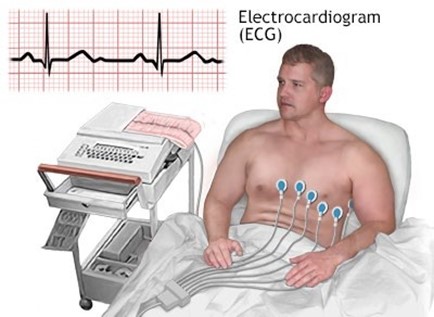
A nurse is assisting with obtaining an electrocardiogram (ECG) for a client who has atrial fibrillation. Which of the following actions should the nurse take? (Select all that apply.)
A. Inspect the electrode pads
Choice A: Inspectingthe electrode pads is an action that the nurse should take. The electrode pads are adhesive patches that atach to the skin and connect to the ECG machine. The nurse should inspect the electrode pads for expiration date, cleanliness, and stickiness, and replace them if necessary. The nurse should also check for any signs of skin irritation or allergy from the electrode pads.
B. Instruct the client not to talk during the test
Choice B: Instructing the client not to talk during the test is an action that the nurse should take. Talking during the test can interfere with the ECG recording and cause artifacts or false readings. The nurse should instruct the client to remain still and quiet during the test and avoid any movements or activities that can affect the heart rate or rhythm, such as coughing, deep breathing, or shivering.
C. Administer an analgesic prior to the procedure
Choice C: Administering an analgesic prior to the procedure is not an action that the nurse should take. An analgesic is a pain reliever that can be given orally, intravenously, or topically. An analgesic is not necessary for an ECG, as it is a noninvasive and painless procedure. An analgesic can also alter the heart rate or rhythm and affect the ECG results. The nurse should only administer an analgesic if prescribed by the provider for another reason.
D. Wash the skin with plain water before placing the electrodes
Choice D: It is more common to use alcohol swabs, and not water, to clean the skin as they are better at removing oils and ensuring good adhesion of the electrodes.
E. Keep the client NPO after midnight
None
Full Explanation
Choice A: Inspecting the electrode pads is an action that the nurse should take. The electrode pads are adhesive patches that atach to the skin and connect to the ECG machine. The nurse should inspect the electrode pads for expiration date, cleanliness, and stickiness, and replace them if necessary. The nurse should also check for any signs of skin irritation or allergy from the electrode pads.
Choice B: Instructing the client not to talk during the test is an action that the nurse should take. Talking during the test can interfere with the ECG recording and cause artifacts or false readings. The nurse should instruct the client to remain still and quiet during the test, and avoid any movements or activities that can affect the heart rate or rhythm, such as coughing, deep breathing, or shivering.
Choice C: Administering an analgesic prior to the procedure is not an action that the nurse should take. An analgesic is a pain reliever that can be given orally, intravenously, or topically. An analgesic is not necessary for an ECG, as it is a noninvasive and painless procedure. An analgesic can also alter the heart rate or rhythm and affect the ECG results. The nurse should only administer an analgesic if prescribed by the provider for another reason.
Choice D: It is more common to use alcohol swabs, and not water, to clean the skin as they are better at removing oils and ensuring good adhesion of the electrodes.
Choice E: Keeping the client NPO after midnight is not an action that the nurse should take. NPO means nothing by mouth, which is a restriction of food and fluids before certain procedures or surgeries. NPO is not required for an ECG, as it does not involve any anesthesia or sedation. The nurse should allow the client to eat and drink normally before and after the test, unless instructed otherwise by the provider.