
Nursing practice questions with comprehensive rationales
NurseDive Free Nursing Practice Question
A nurse is collecting data from a 24-month-old toddler during an annual physical examination.
Which of the following findings should the nurse report to the provider?
A. Can draw a circle.
Choice A is wrong because drawing a circle is a normal fine motor skill for a 24- month-old toddler.
B. Has a vocabulary of four words.
Has a vocabulary of four words. This is because a 24-month-old toddler should be able to speak about 50 or more words and use simple phrases. Having a vocabulary of only four words indicates a significant delay in speech and language development that should be reported to the provider.
C. Jumps with both feet.
Choice C is wrong because jumping with both feet is a normal gross motor skill for a 24-month-old toddler.
D. Weighs 12 kg (26.5 Ib).
Choice D is wrong because weighing 12 kg (26.5 Ib) is within the average range for a 24-month-old toddler.
This question is an excerpt from Nurse Dive's nursing test bank - ATI PN Capstone Proctored Comprehensive Assessment 2020 B. Take the full exam now
Full Explanation
Has a vocabulary of four words. This is because a 24-month-old toddler should be able to speak about 50 or more words and use simple phrases. Having a vocabulary of only four words indicates a significant delay in speech and language development that should be reported to the provider.
Choice A is wrong because drawing a circle is a normal fine motor skill for a 24- month-old toddler.
Choice C is wrong because jumping with both feet is a normal gross motor skill for a 24-month-old toddler.
Choice D is wrong because weighing 12 kg (26.5 Ib) is within the average range for a 24-month-old toddler.
Similar Questions
A nurse is reinforcing teaching with a client who has a new prescription for verapamil.
Which of the following instructions should the nurse include in the teaching?
A. Expect palpitations for 2 days.
Choice A is wrong because palpitations are not an expected side effect of verapamil, but rather a sign of a possible overdose or a serious heart problem that requires medical attention.
B. Change positions slowly.
Verapamil is a calcium channel blocker that can lower blood pressure and cause dizziness or fainting, especially when standing up from a sitting or lying position. Changing positions slowly can help prevent these symptoms.
C. Take the medication on an empty stomach.
Choice C is wrong because verapamil should be taken with food or milk to avoid stomach upset and increase absorption.
D. Increase calorie intake to minimize weight loss.
Choice D is wrong because verapamil does not cause weight loss, but rather weight gain as a possible side effect. Increasing calorie intake is not necessary and may worsen other health conditions such as diabetes or high cholesterol.
Full Explanation
Verapamil is a calcium channel blocker that can lower blood pressure and cause dizziness or fainting, especially when standing up from a sitting or lying position. Changing positions slowly can help prevent these symptoms.
Choice A is wrong because palpitations are not an expected side effect of verapamil, but rather a sign of a possible overdose or a serious heart problem that requires medical attention.
Choice C is wrong because verapamil should be taken with food or milk to avoid stomach upset and increase absorption.
Choice D is wrong because verapamil does not cause weight loss, but rather weight gain as a possible side effect.
Increasing calorie intake is not necessary and may worsen other health conditions such as diabetes or high cholesterol.
A charge nurse at a long-term care facility ensures that the workload is distributed equally among staff when making assignments.
Which of the following ethical principles is the nurse upholding?
A. Veracity.
Choice A is wrong because Veracity is wrong because veracity is the ethical principle of telling the truth to the patient. This principle is not relevant to the scenario of making assignments.
B. Justice.
Justice is the ethical principle of treating the patient fairly and equally among staff when making assignments. The charge nurse is upholding this principle by ensuring that the workload is distributed evenly and that no staff member is overburdened or underutilized.
C. Autonomy.
Choice C is wrong because Autonomy is wrong because autonomy is the ethical principle of respecting the patient’s right to make their own healthcare decisions. This principle is not relevant to the scenario of making assignments.
D. Fidelity.
Choice D is wrong because Fidelity is wrong because fidelity is the ethical principle of keeping promises to the patient. This principle is not relevant to the scenario of making assignments.
Full Explanation
Justice is the ethical principle of treating the patient fairly and equally among staff when making assignments. The charge nurse is upholding this principle by ensuring that the workload is distributed evenly and that no staff member is overburdened or underutilized.
Choice A is wrong because Veracity is wrong because veracity is the ethical principle of telling the truth to the patient.
This principle is not relevant to the scenario of making assignments.
Choice C is wrong because Autonomy is wrong because autonomy is the ethical principle of respecting the patient’s right to make their own healthcare decisions.
This principle is not relevant to the scenario of making assignments.
Choice D is wrong because Fidelity is wrong because fidelity is the ethical principle of keeping promises to the patient.
This principle is not relevant to the scenario of making assignments.
A nurse is preparing a client for a pelvic examination. Which of the following actions should the nurse take?
A. Assist the client to a prone position.
Choice A is wrong because the client should be placed in a lithotomy position, not a prone position, for a pelvic examination.
B. Ask the client to empty their bladder.
This is because a full bladder can interfere with the pelvic examination and cause discomfort to the client. The nurse should also instruct the client to avoid douching, using tampons, vaginal medications, sprays, powders, birth control foam, cream, or jelly for at least 24 hours before the exam.
C. Instruct the client to douche.
Choice C is wrong because douching can alter the normal vaginal flora and pH, and increase the risk of infection.
D. Place the client’s arms over their head.
Choice D is wrong because placing the client’s arms over their head can tighten the abdominal muscles and make the examination more difficult. The nurse should ask the client to place their arms at their sides or across their chest.
Full Explanation
Ask the client to empty their bladder.
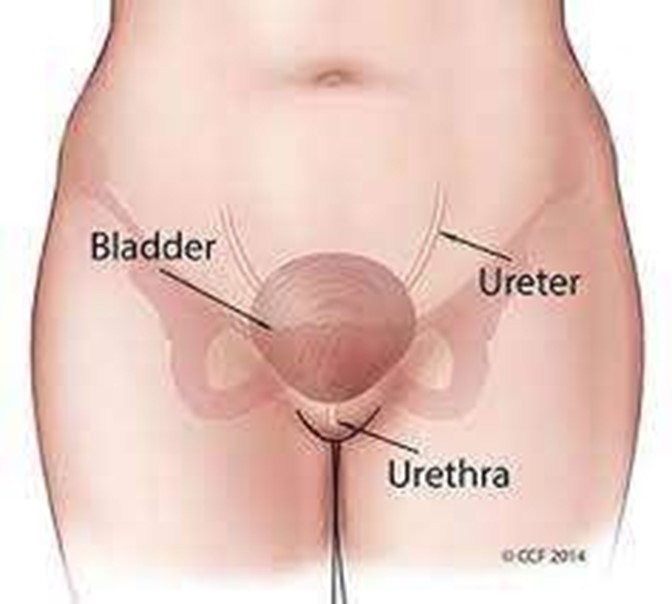
This is because a full bladder can interfere with the pelvic examination and cause discomfort to the client. The nurse should also instruct the client to avoid douching, using tampons, vaginal medications, sprays, powders, birth control foam, cream, or jelly for at least 24 hours before the exam.
Choice A is wrong because the client should be placed in a lithotomy position, not a prone position, for a pelvic examination.
Choice C is wrong because douching can alter the normal vaginal flora and pH, and increase the risk of infection.
Choice D is wrong because placing the client’s arms over their head can tighten the abdominal muscles and make the examination more difficult. The nurse should ask the client to place their arms at their sides or across their chest.