Nursing practice questions with comprehensive rationales
NurseDive Free Nursing Practice Question
A nurse is collecting data from a client who has pyelonephritis and is receiving gentamicin via IV infusion.
Which of the following manifestations should the nurse identify as an adverse effect of the treatment?
A. Slurred speech
-
B. Hypotension
-
C. New onset of hearing loss
When collecting data from a client who is receiving gentamicin via IV infusion, the nurse should identify new onset of hearing loss as an adverse effect of the treatment¹.
D. Hyperthermia
-
This question is an excerpt from Nurse Dive's nursing test bank - PN Comprehensive Predictor PN 2020 Proctored Exam. Take the full exam now
Full Explanation
c. New onset of hearing loss.
When collecting data from a client who is receiving gentamicin via IV infusion, the nurse should identify new onset of hearing loss as an adverse effect of the treatment¹. Gentamicin can cause vestibulocochlear nerve damage, which can affect hearing and balance¹.
Similar Questions
A nurse is collecting data from a client who has heart failure and is taking furosemide.
Which of the following findings should indicate to the nurse that the medication is effective?
A. Decreased hemoglobin level
-
B. Increased urinary output
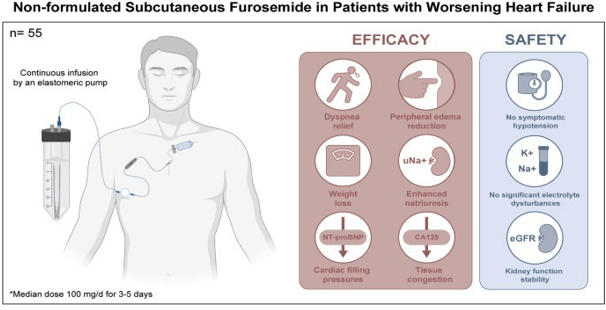
Furosemide is a diuretic medication that helps remove excess fluid from the body by increasing urine production and output. In a client with heart failure, one of the indicators that the medication is effective is an increase in urinary output. This can help reduce fluid buildup in the body, which can improve symptoms of heart failure.
C. Decreased BUN level
-
D. Increased weight of 0.91 kg (2 lb)
-
Full Explanation
b. Increased urinary output.
Furosemide is a diuretic medication that helps remove excess fluid from the body by increasing urine production and output. In a client with heart failure, one of the indicators that the medication is effective is an increase in urinary output. This can help reduce fluid buildup in the body, which can improve symptoms of heart failure.
A nurse is caring for a client who has dementia.
Which of the following findings should the nurse expect?
A. Memory loss that disrupts ADLs
Dementia is a condition characterized by a decline in cognitive function that affects a person's ability to perform activities of daily living (ADLs). Memory loss is a common symptom of dementia, particularly in the early stages. The memory loss can disrupt a person's ability to carry out tasks they were previously able to do independently, such as dressing, bathing, and eating.
B. Catatonia
Is a condition characterized by a lack of movement or activity, which is not typically associated with dementia.
C. Illusions
Involve a misinterpretation of sensory information and may occur in some forms of dementia but are not a defining feature.
D. Pressured speech
Is a symptom commonly associated with mania or bipolar disorder, but is not typically seen in dementia.
Full Explanation
a. Memory loss that disrupts ADLs
Explanation: Dementia is a condition characterized by a decline in cognitive function that affects a person's ability to perform activities of daily living (ADLs). Memory loss is a common symptom of dementia, particularly in the early stages. The memory loss can disrupt a person's ability to carry out tasks they were previously able to do independently, such as dressing, bathing, and eating. Therefore, option a is the correct answer.
Option b, catatonia, is a condition characterized by a lack of movement or activity, which is not typically associated with dementia.
Option c, illusions, involve a misinterpretation of sensory information and may occur in some forms of dementia but are not a defining feature.
Option d, pressured speech, is a symptom commonly associated with mania or bipolar disorder, but is not typically seen in dementia.

A nurse is reinforcing teaching to a newly licensed nurse about bowel sounds.
Which of the following characteristics should the nurse use to describe hyperactive bowel sounds?
A. Sounds are high-pitched
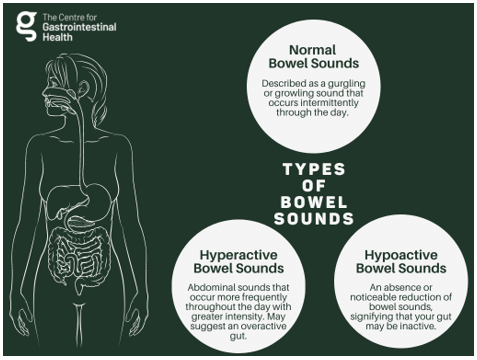
Hyperactive bowel sounds are bowel sounds that are louder and more frequent than normal. They may be heard as high-pitched rushing or tinkling sounds that occur irregularly at a rate greater than 5-6 sounds per minute. They are often associated with increased intestinal motility, such as in diarrhea, gastroenteritis, or early bowel obstruction.
B. Can be a result of a paralytic ileus
Hyperactive bowel sounds are not typically associated with a paralytic ileus, which is a condition where the bowel stops working and there is a lack of bowel sounds.
C. Indicates decreased motility
Hyperactive bowel sounds indicate increased motility, not decreased motility.
D. Sounds are soft and at a rate of 1/min
Soft bowel sounds at a rate of 1/min are considered hypoactive bowel sounds, which can be a sign of decreased intestinal motility, as seen in constipation or postoperative ileus.
Full Explanation
a. Sounds are high-pitched.
Hyperactive bowel sounds are bowel sounds that are louder and more frequent than normal. They may be heard as high-pitched rushing or tinkling sounds that occur irregularly at a rate greater than 5-6 sounds per minute. They are often associated with increased intestinal motility, such as in diarrhea, gastroenteritis, or early bowel obstruction.
Option b is incorrect because hyperactive bowel sounds are not typically associated with a paralytic ileus, which is a condition where the bowel stops working and there is a lack of bowel sounds.
Option c is incorrect because hyperactive bowel sounds indicate increased motility, not decreased motility.
Option d is incorrect because soft bowel sounds at a rate of 1/min are considered hypoactive bowel sounds, which can be a sign of decreased intestinal motility, as seen in constipation or postoperative ileus.