
Nursing practice questions with comprehensive rationales
NurseDive Free Nursing Practice Question
A nurse is collecting data from a newborn who is 12 hours old. His respiration rate is 44/min, shallow, with periods of apnea lasting up to 5 seconds. Which of the following actions should the nurse take?
A. Activate respiratory arrest procedures.
Activating respiratory arrest procedures is not necessary in this situation. The newborn's respiratory rate, although slightly elevated, does not indicate respiratory arrest. Instead, such procedures are reserved for situations where the newborn has stopped breathing or is in acute respiratory distress.
B. Request an order for supplemental oxygen.
Requesting an order for supplemental oxygen may be premature. The newborn's respiration rate of 44/min, although shallow with periods of apnea, is still within the normal range for a newborn. Providing supplemental oxygen should be considered when the newborn is showing signs of significant respiratory distress or if oxygen saturation levels are low.
C. Continue routine monitoring.
The most appropriate action in this scenario is to continue routine monitoring of the newborn's respiratory rate and overall condition. Newborns often exhibit irregular breathing patterns, including periods of apnea, especially in the first few hours after birth. As long as the newborn's color, heart rate, and overall appearance are stable, routine monitoring is appropriate.
D. Report the observation to the charge nurse immediately.
There is no need to report the observation to the charge nurse immediately, as the newborn's respiratory rate and pattern fall within the expected range for a 12-hour-old newborn. Reporting should be considered when there are significant deviations from the norm or if the newborn's condition deteriorates.
This question is an excerpt from Nurse Dive's nursing test bank - ATI Custom Maternity Newborncare Proctored Exam. Take the full exam now
Full Explanation
Choice A rationale:
Activating respiratory arrest procedures is not necessary in this situation. The newborn's respiratory rate, although slightly elevated, does not indicate respiratory arrest. Instead, such procedures are reserved for situations where the newborn has stopped breathing or is in acute respiratory distress.
Choice B rationale:
Requesting an order for supplemental oxygen may be premature. The newborn's respiration rate of 44/min, although shallow with periods of apnea, is still within the normal range for a newborn. Providing supplemental oxygen should be considered when the newborn is showing signs of significant respiratory distress or if oxygen saturation levels are low.
Choice C rationale:
The most appropriate action in this scenario is to continue routine monitoring of the newborn's respiratory rate and overall condition. Newborns often exhibit irregular breathing patterns, including periods of apnea, especially in the first few hours after birth. As long as the newborn's color, heart rate, and overall appearance are stable, routine monitoring is appropriate.
Choice D rationale:
There is no need to report the observation to the charge nurse immediately, as the newborn's respiratory rate and pattern fall within the expected range for a 12-hour-old newborn.
Reporting should be considered when there are significant deviations from the norm or if the newborn's condition deteriorates.
Similar Questions
Exhibit 1. A nurse understands which of the following assessment findings as a priority to indicate that a newborn may be experiencing cold stress and burning brown fat to produce heat? (Select all that apply.).
A. Respiratory distress.
Respiratory distress is a priority assessment finding that indicates a newborn may be experiencing cold stress. Cold stress can cause the baby's body to burn brown fat to generate heat, leading to increased oxygen demand and respiratory distress as a compensatory mechanism.
B. Hyperglycemia.
Hyperglycemia is not associated with cold stress. Instead, hypoglycemia (low blood sugar) is a concern in newborns experiencing cold stress as they deplete their glucose stores to maintain body temperature.
C. Metabolic alkalosis.
Metabolic alkalosis is not a priority assessment finding for cold stress. Metabolic acidosis (not listed in the options) can be associated with cold stress due to increased anaerobic metabolism, but it is not one of the provided choices.
D. Hypoglycemia.
Hypoglycemia is a priority assessment finding associated with cold stress. As the baby's body uses glucose to produce heat from burning brown fat, it can lead to a drop in blood sugar levels, which is a significant concern in newborns.
Full Explanation
Choice A rationale:
Respiratory distress is a priority assessment finding that indicates a newborn may be experiencing cold stress. Cold stress can cause the baby's body to burn brown fat to generate heat, leading to increased oxygen demand and respiratory distress as a compensatory mechanism.
Choice B rationale:
Hyperglycemia is not associated with cold stress. Instead, hypoglycemia (low blood sugar) is a concern in newborns experiencing cold stress as they deplete their glucose stores to maintain body temperature.
Choice C rationale:
Metabolic alkalosis is not a priority assessment finding for cold stress. Metabolic acidosis (not listed in the options) can be associated with cold stress due to increased anaerobic metabolism, but it is not one of the provided choices.
Choice D rationale:
Hypoglycemia is a priority assessment finding associated with cold stress. As the baby's body uses glucose to produce heat from burning brown fat, it can lead to a drop in blood sugar levels, which is a significant concern in newborns.
Choice E rationale:
Metabolic acidosis is not listed among the provided choices, but it can be associated with cold stress due to the increased production of lactic acid from anaerobic metabolism when trying to generate heat.
The purpose of surfactant is to?
A. Provide a heat source for the newborn.
Providing a heat source for the newborn is not the purpose of surfactant. Surfactant is a substance produced in the lungs to reduce surface tension and prevent alveolar collapse during expiration. It helps with the exchange of gases, but it does not generate heat.
B. Assist the alveoli to remain open.
This is the correct answer. Surfactant plays a crucial role in assisting the alveoli to remain open by reducing surface tension. This, in turn, allows for proper gas exchange, especially of oxygen and carbon dioxide.
C. Assist the ductus arteriosus to remain open.
Assisting the ductus arteriosus to remain open is not the purpose of surfactant. The ductus arteriosus is a fetal blood vessel that connects the pulmonary artery to the aorta, bypassing the lungs. After birth, it should close on its own, and surfactant does not influence this process.
D. Provide energy to the newborn.
Providing energy to the newborn is not the purpose of surfactant. Energy for the newborn comes from nutrition, particularly breast milk or formula, and not from surfactant.
Full Explanation
Choice A rationale:
Providing a heat source for the newborn is not the purpose of surfactant. Surfactant is a substance produced in the lungs to reduce surface tension and prevent alveolar collapse during expiration. It helps with the exchange of gases, but it does not generate heat.
Choice B rationale:
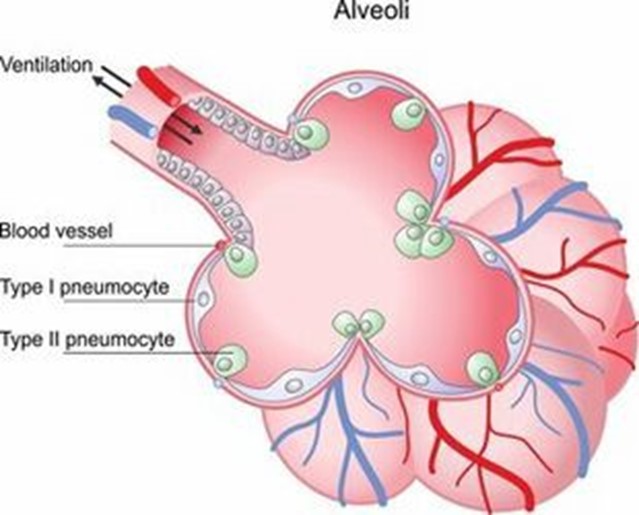
This is the correct answer. Surfactant plays a crucial role in assisting the alveoli to remain open by reducing surface tension. This, in turn, allows for proper gas exchange, especially of oxygen and carbon dioxide.
Choice C rationale:
Assisting the ductus arteriosus to remain open is not the purpose of surfactant. The ductus arteriosus is a fetal blood vessel that connects the pulmonary artery to the aorta, bypassing the lungs. After birth, it should close on its own, and surfactant does not influence this process.
Choice D rationale:
Providing energy to the newborn is not the purpose of surfactant. Energy for the newborn comes from nutrition, particularly breast milk or formula, and not from surfactant
A nurse is reinforcing teaching with a client who is postpartum about bathing her newborn. Which of the following statements by the client indicates a need for further teaching?
A. "I will use mild soap.".
"I will use mild soap”. indicates an appropriate understanding of newborn bathing. Mild soap is suitable for newborn skin to avoid irritation.
B. "Baby powder will help prevent a diaper rash.".
This is the correct answer. Baby powder is not recommended for newborns as it can cause respiratory issues when inhaled and may lead to skin irritation. Therefore, the client needs further teaching about the use of baby powder.
C. "I will test the water on my wrist for temperature before bathing.".
"I will test the water on my wrist for temperature before bathing”. demonstrates proper safety measures, ensuring the water is not too hot for the baby.
D. "I will use a basin during bathing.".
"I will use a basin during bathing”. is a reasonable approach to bathing the newborn and does not indicate a need for further teaching.
Full Explanation
"Baby powder will help prevent a diaper rash.”.
Choice A rationale:
"I will use mild soap”. indicates an appropriate understanding of newborn bathing. Mild soap is suitable for newborn skin to avoid irritation.
Choice B rationale:
This is the correct answer. Baby powder is not recommended for newborns as it can cause respiratory issues when inhaled and may lead to skin irritation. Therefore, the client needs further teaching about the use of baby powder.
Choice C rationale:
"I will test the water on my wrist for temperature before bathing”. demonstrates proper safety measures, ensuring the water is not too hot for the baby.
Choice D rationale:
"I will use a basin during bathing”. is a reasonable approach to bathing the newborn and does not indicate a need for further teaching.