Nursing practice questions with comprehensive rationales
NurseDive Free Nursing Practice Question
A nurse is collecting data from a newborn who is 48-hr old. Which of the following findings should the nurse report to the provider?
A. Erythema toxicum
rationale; Erythema toxicum is a common rash that appears in many newborns and is not a cause for concern. It presents as small red bumps or pustules on the skin and usually resolves on its own without treatment.
B. Mongolian spot
rationale: A Mongolian spot is a birthmark that appears as a bluish-gray or bruise-like patch on the baby's skin, often on the back or buttocks. It is a benign condition and does not require any medical intervention.
C. Telangiectatic nevi
rationale: Telangiectatic nevi, also known as "stork bites" or "angel kisses," are flat, pink, or red birthmarks that are common in newborns. They are usually found on the eyelids, forehead, and back of the neck. These birthmarks are harmless and typically fade over time without treatment.
D. jaundice skin and yellow tinge to the sclera
rationale: Jaundice is a common condition in newborns and is caused by elevated levels of bilirubin in the blood. In most cases, mild jaundice is not harmful and resolves on its own. However, if the baby's skin and sclera (white part of the eyes) show significant yellowing, it may indicate a higher level of bilirubin, which can lead to complications if not properly managed. Therefore, the nurse should report this finding to the provider for further evaluation and appropriate treatment if necessary.
This question is an excerpt from Nurse Dive's nursing test bank - ATI LPN Maternity Proctored Exam. Take the full exam now
Full Explanation
Choice A rationale; Erythema toxicum is a common rash that appears in many newborns and is not a cause for concern. It presents as small red bumps or pustules on the skin and usually resolves on its own without treatment.
Choice B rationale: A Mongolian spot is a birthmark that appears as a bluish-gray or bruise-like patch on the baby's skin, often on the back or buttocks. It is a benign condition and does not require any medical intervention.
Choice C rationale: Telangiectatic nevi, also known as "stork bites" or "angel kisses," are flat, pink, or red birthmarks that are common in newborns. They are usually found on the eyelids, forehead, and back of the neck. These birthmarks are harmless and typically fade over time without treatment.
Choice D rationale: Jaundice is a common condition in newborns and is caused by elevated levels of bilirubin in the blood. In most cases, mild jaundice is not harmful and resolves on its own. However, if the baby's skin and sclera (white part of the eyes) show significant yellowing, it may indicate a higher level of bilirubin, which can lead to complications if not properly managed. Therefore, the nurse should report this finding to the provider for further evaluation and appropriate treatment if necessary.
Similar Questions
A nurse is caring for an infant who has gastroesophageal reflux. The nurse should place the infant in which of the following positions after feeding?
A. Prone
rationale: Placing the infant in a prone position (lying face down) after feeding is not recommended for a baby with gastroesophageal reflux. The prone position can increase the risk of choking and is not helpful in managing reflux.
B. Upright
rationale: For an infant with gastroesophageal reflux, placing the baby in an upright position after feeding can help prevent or reduce reflux episodes. Keeping the infant in an upright position allows gravity to assist in keeping stomach contents down and reduces the likelihood of reflux into the esophagus.
C. Right side
rationale: Placing the infant on the right side after feeding is also not recommended for managing gastroesophageal reflux. The right-side position may not be as effective in preventing reflux as the upright position.
D. Left side
rationale: Placing the infant on the left side after feeding is not the preferred position for managing gastroesophageal reflux. The left-side position may not be as effective in preventing reflux as the upright position.
Full Explanation
Choice A rationale: Placing the infant in a prone position (lying face down) after feeding is not recommended for a baby with gastroesophageal reflux. The prone position can increase the risk of choking and is not helpful in managing reflux.
Choice B rationale: For an infant with gastroesophageal reflux, placing the baby in an upright position after feeding can help prevent or reduce reflux episodes. Keeping the infant in an upright position allows gravity to assist in keeping stomach contents down and reduces the likelihood of reflux into the esophagus.
Choice C rationale: Placing the infant on the right side after feeding is also not recommended for managing gastroesophageal reflux. The right-side position may not be as effective in preventing reflux as the upright position.
Choice D rationale: Placing the infant on the left side after feeding is not the preferred position for managing gastroesophageal reflux. The left-side position may not be as effective in preventing reflux as the upright position.
A home health care nurse is reinforcing teaching about breast engorgement with a client who is postpartum and is breastfeeding her newborn. Which of the following client statements indicates an understanding of the teaching?
A. "I will stop breastfeeding until I am done with the antibiotics."
rationale: Stopping breastfeeding is not recommended for breast engorgement. Breastfeeding frequently and effectively is one of the best ways to relieve engorgement and prevent further complications.
B. "I'll feed my baby every 2 hours."
rationale: Feeding the baby every 2 hours is a frequent feeding schedule, which can help manage breast engorgement. However, this statement does not specifically address the use of cold compresses for relief.
C. "I won't wear a bra during the daytime."
rationale: Wearing a supportive bra during the daytime can help provide comfort and support for engorged breasts. However, this statement does not specifically address the use of cold compresses for relief.
D. "I'll apply cold compresses 20 min before each feeding."
rationale: Applying cold compresses to the breasts before each feeding can help reduce breast engorgement and discomfort. Cold compresses can help constrict the blood vessels and reduce swelling, making it easier for the baby to latch on and feed effectively.
Full Explanation
Choice A rationale: Stopping breastfeeding is not recommended for breast engorgement. Breastfeeding frequently and effectively is one of the best ways to relieve engorgement and prevent further complications.
Choice B rationale: Feeding the baby every 2 hours is a frequent feeding schedule, which can help manage breast engorgement. However, this statement does not specifically address the use of cold compresses for relief.
Choice C rationale: Wearing a supportive bra during the daytime can help provide comfort and support for engorged breasts. However, this statement does not specifically address the use of cold compresses for relief.
Choice D rationale: Applying cold compresses to the breasts before each feeding can help reduce breast engorgement and discomfort. Cold compresses can help constrict the blood vessels and reduce swelling, making it easier for the baby to latch on and feed effectively.
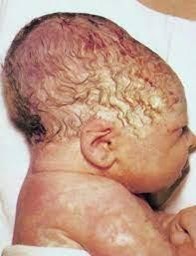
A nurse is caring for a newborn who was delivered by vacuum extraction and has swelling on his head that crosses the suture line. The newborn's mother asks about the swelling on her newborn's head. Which of the following responses should the nurse make?
A. "This is a Mongolian spot, which is found on many newborns."
rationale: The Mongolian spot is a bluish-gray birthmark that is often seen on the lower back or buttocks of newborns with darker skin tones. It is not related to the swelling described in the scenario.
B. "This is a caput succedaneum, which is a collection of fluid from the pressure of the vacuum extractor."
rationale: Caput succedaneum is a common condition in newborns delivered by vacuum extraction. It is characterized by swelling of the soft tissues of the scalp that crosses the suture lines. The swelling occurs due to pressure from the vacuum extractor during delivery and is caused by fluid accumulation between the scalp and the skull. Caput succedaneum is typically a benign and self-resolving condition that does not require treatment.
C. "This is a cephalhematoma, which will resolve on its own in 3 to 5 days."
rationale: Cephalhematoma is a collection of blood between the periosteum and the skull bone. Unlike caput succedaneum, it does not cross the suture lines and can take weeks to months to resolve.
D. "This is erythema toxicum, which is a transient allergic reaction that causes edema in the skin."
rationale: Erythema toxicum is a common skin rash in newborns characterized by red or pink spots with a yellow or white bump in the center. It is not related to the swelling described in the scenario.
Full Explanation
Choice A rationale: The Mongolian spot is a bluish-gray birthmark that is often seen on the lower back or buttocks of newborns with darker skin tones. It is not related to the swelling described in the scenario.
Choice B rationale: Caput succedaneum is a common condition in newborns delivered by vacuum extraction. It is characterized by swelling of the soft tissues of the scalp that crosses the suture lines. The swelling occurs due to pressure from the vacuum extractor during delivery and is caused by fluid accumulation between the scalp and the skull. Caput succedaneum is typically a benign and self-resolving condition that does not require treatment.
Choice C rationale: Cephalhematoma is a collection of blood between the periosteum and the skull bone. Unlike caput succedaneum, it does not cross the suture lines and can take weeks to months to resolve.
Choice D rationale: Erythema toxicum is a common skin rash in newborns characterized by red or pink spots with a yellow or white bump in the center. It is not related to the swelling described in the scenario.