
Nursing practice questions with comprehensive rationales
NurseDive Free Nursing Practice Question
A nurse is collecting data from an adolescent.
Which of the following should the nurse identify as the greatest risk for suicide?
A. Family conflict.
Choice A is not correct because while family conflict can be a contributing factor to suicide risk, it is not the greatest risk factor.
B. Homosexuality.
Choice B is not correct because homosexuality itself is not a risk factor for suicide; however, discrimination and bullying related to one’s sexual orientation can increase suicide risk.
C. Availability of firearms.
Choice C is not correct because while the availability of firearms can increase the likelihood of a completed suicide attempt, it is not the greatest risk factor for suicide.
D. Active psychiatric disorder.
Having a psychiatric disorder, such as depression, anxiety disorder, or bipolar disorder, is a significant risk factor for suicide in adolescents.
This question is an excerpt from Nurse Dive's nursing test bank - ATI Custom SP23 N23 N240 Proctored Exam 3 Ch 11 24 32 43 44. Take the full exam now
Full Explanation
Having a psychiatric disorder, such as depression, anxiety disorder, or bipolar disorder, is a significant risk factor for suicide in adolescents.
Choice A is not correct because while family conflict can be a contributing factor to suicide risk, it is not the greatest risk factor.
Choice B is not correct because homosexuality itself is not a risk factor for suicide; however, discrimination and bullying related to one’s sexual orientation can increase suicide risk.
Choice C is not correct because while the availability of firearms can increase the likelihood of a completed suicide attempt, it is not the greatest risk factor for suicide.
Similar Questions
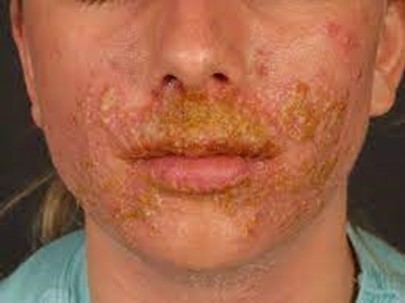
A nurse is preparing to teach a parent how to care for a child who has impetigo contagiosa.
Which of the following information should the nurse plan to include in the teaching?
A. Keep the child on droplet precautions at home.
Choice A. Keeping the child on droplet precautions at home is incorrect, as impetigo is not spread by respiratory droplets, but by direct contact with the sores or contaminated items.
B. Wash clothing in hot water.
This is an important measure to prevent the spreading of impetigo to others and to other parts of the body, as the bacteria can survive on clothing and other objects12.
C. Immunize household contacts for the disease.
Choice C. Immunizing household contacts for the disease is incorrect, as there is no vaccine for impetigo, which is caused by different types of bacteria.
D. Give the child a chlorine bath twice daily.
Choice D. Giving the child a chlorine bath twice daily is incorrect, as chlorine can irritate the skin and worsen impetigo. The recommended treatment is to wash the sores with soap and water and apply antibiotic ointment or cream23. Therefore, choice B is the best answer to this question.
Full Explanation
This is an important measure to prevent the spreading of impetigo to others and to other parts of the body, as the bacteria can survive on clothing and other objects12.
Choice A.
Keeping the child on droplet precautions at home is incorrect, as impetigo is not spread by respiratory droplets, but by direct contact with the sores or contaminated items.
Choice C.
Immunizing household contacts for the disease is incorrect, as there is no vaccine for impetigo, which is caused by different types of bacteria.
Choice D.
Giving the child a chlorine bath twice daily is incorrect, as chlorine can irritate the skin and worsen impetigo.
The recommended treatment is to wash the sores with soap and water and
apply antibiotic ointment or cream23.
Therefore, choice B is the best answer to this question.
A nurse is assessing a preschooler who has a calcium level of 8.0 mg/dL.
Which of the following findings should the nurse expect?
A. Negative Chvostek's sign.
Choice A is incorrect because a positive Chvostek’s sign, not a negative one, is a clinical sign of hypocalcemia.
B. Muscle tremors.
A calcium level of 8.0 mg/dL is below the normal range for adults, which is 8.8 to 10.4 mg/dL. This condition is known as hypocalcemia and can cause muscle spasms and aches.
C. Dry, sticky mucous membranes.
Choice C is incorrect because dry, sticky mucous membranes are not a symptom of hypocalcemia.
D. Polyuria.
Choice D is incorrect because polyuria (frequent urination) is a symptom of hypercalcemia (high calcium levels), not hypocalcemia.
Full Explanation
A calcium level of 8.0 mg/dL is below the normal range for adults, which is 8.8 to 10.4 mg/dL.
This condition is known as hypocalcemia and can cause muscle spasms and aches.
Choice A is incorrect because a positive Chvostek’s sign, not a negative one, is a clinical sign of hypocalcemia.
Choice C is incorrect because dry, sticky mucous membranes are not a symptom of hypocalcemia.
Choice D is incorrect because polyuria (frequent urination) is a symptom of hypercalcemia (high calcium levels), not hypocalcemia.
A nurse is assessing a child who has nephrotic syndrome. Which of the following findings should the nurse expect?
A. Smokey brown urine.
Choice A is incorrect because smokey brown urine is not a symptom of nephrotic syndrome.
B. Facial edema.
Nephrotic syndrome is a kidney disorder that causes your body to pass too much protein in your urine. Swelling around the eyes is the most common sign of nephrotic syndrome in children 2.
C. Hypertension.
Choice C is incorrect because hypertension (high blood pressure) is a complication of nephrotic syndrome, not a symptom.
D. Polyuria.
Choice D is incorrect because polyuria (frequent urination) is not a symptom of nephrotic syndrome.
Full Explanation
Nephrotic syndrome is a kidney disorder that causes your body to pass too much protein in your urine.
Swelling around the eyes is the most common sign of nephrotic syndrome in children 2.
Choice A is incorrect because smokey brown urine is not a symptom of nephrotic syndrome.
Choice C is incorrect because hypertension (high blood pressure) is a complication of nephrotic syndrome, not a symptom.
Choice D is incorrect because polyuria (frequent urination) is not a symptom of nephrotic syndrome.