
Nursing practice questions with comprehensive rationales
NurseDive Free Nursing Practice Question
When assessing a woman in her first trimester, which emotional response would the nurse most likely expect to find?
A. Ambivalence
Reason: This is incorrect because ambivalence is a mixed or contradictory feeling towards something or someone. It may occur in some women during pregnancy, especially if the pregnancy was unplanned or unwanted. However, it is not the most likely emotional response in the first trimester.
B. Emotional lability
Reason: This is correct because emotional lability is a rapid and exaggerated change in mood or affect. It may occur in many women during pregnancy due to hormonal fluctuations, physical changes, and psychological stressors. Emotional lability may manifest as increased irritability, anxiety, sadness, or crying spells.
C. Introversion
Reason: This is incorrect because introversion is a personality trait that indicates a preference for solitude and inward focus. It may be present in some women before or during pregnancy, but it is not an emotional response that is specific to the first trimester.
D. Acceptance
Reason: This is incorrect because acceptance is a positive attitude that indicates a willingness to embrace the reality of something or someone. It may develop in some women during pregnancy as they adjust to their new role and identity as mothers. However, it is not the most likely emotional response in the first trimester.
This question is an excerpt from Nurse Dive's nursing test bank - Ati Maternal Newborn 4 Proctored Exam. Take the full exam now
Full Explanation
Choice A Reason: This is incorrect because ambivalence is a mixed or contradictory feeling towards something or someone. It may occur in some women during pregnancy, especially if the pregnancy was unplanned or unwanted. However, it is not the most likely emotional response in the first trimester.
Choice B Reason: This is correct because emotional lability is a rapid and exaggerated change in mood or affect. It may occur in many women during pregnancy due to hormonal fluctuations, physical changes, and psychological stressors. Emotional lability may manifest as increased irritability, anxiety, sadness, or crying spells.
Choice C Reason: This is incorrect because introversion is a personality trait that indicates a preference for solitude and inward focus. It may be present in some women before or during pregnancy, but it is not an emotional response that is specific to the first trimester.
Choice D Reason: This is incorrect because acceptance is a positive attitude that indicates a willingness to embrace the reality of something or someone. It may develop in some women during pregnancy as they adjust to their new role and identity as mothers. However, it is not the most likely emotional response in the first trimester.
Similar Questions
When assessing a woman in her first trimester, which emotional response would the nurse most likely expect to find?
A. Ambivalence
Reason: This is incorrect because ambivalence is a mixed or contradictory feeling towards something or someone. It may occur in some women during pregnancy, especially if the pregnancy was unplanned or unwanted. However, it is not the most likely emotional response in the first trimester.
B. Emotional lability
Reason: This is correct because emotional lability is a rapid and exaggerated change in mood or affect. It may occur in many women during pregnancy due to hormonal fluctuations, physical changes, and psychological stressors. Emotional lability may manifest as increased irritability, anxiety, sadness, or crying spells.
C. Introversion
Reason: This is incorrect because introversion is a personality trait that indicates a preference for solitude and inward focus. It may be present in some women before or during pregnancy, but it is not an emotional response that is specific to the first trimester.
D. Acceptance
Reason: This is incorrect because acceptance is a positive attitude that indicates a willingness to embrace the reality of something or someone. It may develop in some women during pregnancy as they adjust to their new role and identity as mothers. However, it is not the most likely emotional response in the first trimester.
Full Explanation
Choice A Reason: This is incorrect because ambivalence is a mixed or contradictory feeling towards something or someone. It may occur in some women during pregnancy, especially if the pregnancy was unplanned or unwanted. However, it is not the most likely emotional response in the first trimester.
Choice B Reason: This is correct because emotional lability is a rapid and exaggerated change in mood or affect. It may occur in many women during pregnancy due to hormonal fluctuations, physical changes, and psychological stressors. Emotional lability may manifest as increased irritability, anxiety, sadness, or crying spells.
Choice C Reason: This is incorrect because introversion is a personality trait that indicates a preference for solitude and inward focus. It may be present in some women before or during pregnancy, but it is not an emotional response that is specific to the first trimester.
Choice D Reason: This is incorrect because acceptance is a positive attitude that indicates a willingness to embrace the reality of something or someone. It may develop in some women during pregnancy as they adjust to their new role and identity as mothers. However, it is not the most likely emotional response in the first trimester.
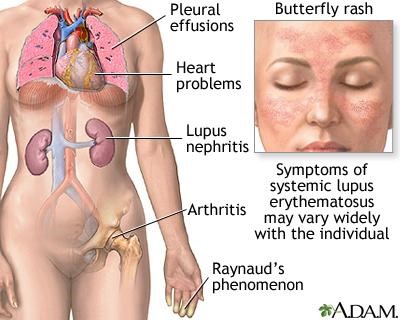
A woman with a history of systemic lupus erythematosus comes to the clinic for evaluation. The woman tells the nurse that she and her partner would like to have a baby but that they are afraid her lupus will be a problem. Which response would be most appropriate for the nurse to make?
A. Be sure that your lupus is stable or in remission for 6 months before getting pregnant.
Reason: This is correct because this response provides realistic and supportive advice for the woman who wants to have a baby with lupus. Lupus is an autoimmune disease that causes inflammation and damage to various organs and tissues. Lupus can affect fertility and pregnancy outcomes, such as increasing the risk of miscarriage, preterm delivery, preeclampsia, or neonatal lupus. Therefore, it is important for the woman to have her lupus under control before conceiving and to consult with her doctor about her treatment plan and prenatal care.
B. It's probably not a good idea for you to get pregnant since you have lupus.
Reason: This is incorrect because this response is discouraging and insensitive for the woman who wants to have a baby with lupus. Lupus does not necessarily prevent a woman from having a healthy pregnancy and a healthy baby, as long as she follows her doctor's recommendations and monitors her condition closely. The nurse should respect the woman's reproductive choices and provide information and support.
C. Your lupus will not have any effect on your pregnancy whatsoever.
Reason: This is incorrect because this response is inaccurate and misleading for the woman who wants to have a baby with lupus. Lupus can have various effects on pregnancy, such as causing flares or complications that can affect both the mother and the baby. The nurse should educate the woman about the possible risks and benefits of pregnancy with lupus and help her prepare for any challenges.
D. When you get pregnant we'll have to add quite a few medications to your normal treatment plan.
Reason: This is incorrect because this response is vague and alarming for the woman who wants to have a baby with lupus. Lupus treatment may or may not change during pregnancy, depending on the type and severity of lupus, the medications used, and the stage of pregnancy. The nurse should explain the rationale and safety of any medication changes and address any concerns or questions that the woman may have.
Full Explanation
Choice A Reason: This is correct because this response provides realistic and supportive advice for a woman who wants to have a baby with lupus. Lupus is an autoimmune disease that causes inflammation and damage to various organs and tissues. Lupus can affect fertility and pregnancy outcomes, such as increasing the risk of miscarriage, preterm delivery, preeclampsia, or neonatal lupus. Therefore, it is important for the woman to have her lupus under control before conceiving and to consult with her doctor about her treatment plan and prenatal care.
Choice B Reason: This is incorrect because this response is discouraging and insensitive for the woman who wants to have a baby with lupus. Lupus does not necessarily prevent a woman from having a healthy pregnancy and a healthy baby, as long as she follows her doctor's recommendations and monitors her condition closely. The nurse should respect the woman's reproductive choices and provide information and support.
Choice C Reason: This is incorrect because this response is inaccurate and misleading for the woman who wants to have a baby with lupus. Lupus can have various effects on pregnancy, such as causing flares or complications that can affect both the mother and the baby. The nurse should educate the woman about the possible risks and benefits of pregnancy with lupus and help her prepare for any challenges.
Choice D Reason: This is incorrect because this response is vague and alarming for the woman who wants to have a baby with lupus. Lupus treatment may or may not change during pregnancy, depending on the type and severity of lupus, the medications used, and the stage of pregnancy. The nurse should explain the rationale and safety of any medication changes and address any concerns or questions that the woman may have.
During a prenatal visit, a pregnant woman says, "I know the amniotic fluid is important, but can you tell me more about it?" When describing amniotic fluid to a pregnant woman, which description would the nurse most likely include?
A. This fluid acts as a cushion to help protect your baby from injury.
Reason: This is correct because this description accurately reflects one of the main functions of amniotic fluid, which is to act as a shock absorber and buffer against external forces or movements that could harm the fetus. Amniotic fluid also allows the fetus to move freely and develop its muscles and bones.
B. The amount of fluid remains fairly constant throughout the pregnancy.
Reason: This is incorrect because this description is false. The amount of amniotic fluid changes throughout the pregnancy, depending on the stage of fetal development and other factors. The normal range of amniotic fluid volume is between 500 and 1000 mL at term. Too much or too little amniotic fluid can indicate a problem with the fetus or the placenta.
C. The fluid is mostly protein to provide nourishment to your baby.
Reason: This is incorrect because this description is false. The fluid is not mostly protein, but mostly water (about 98%). The water comes from the mother's blood plasma and the fetal urine. The remaining 2% of amniotic fluid consists of various substances, such as electrolytes, hormones, enzymes, antibodies, and fetal cells. Amniotic fluid does not provide nourishment to the fetus, but rather protects it from infection and helps regulate its temperature.
D. This fluid acts as a transport mechanism for oxygen and nutrients.
Reason: This is incorrect because this description is false. Amniotic fluid does not act as a transport mechanism for oxygen and nutrients, but rather as a barrier that prevents them from reaching the fetus directly. Oxygen and nutrients are delivered to the fetus through the placenta and the umbilical cord, which are connected to the maternal blood circulation.
Full Explanation
Choice A Reason: This is correct because this description accurately reflects one of the main functions of amniotic fluid, which is to act as a shock absorber and buffer against external forces or movements that could harm the fetus. Amniotic fluid also allows the fetus to move freely and develop its muscles and bones.
Choice B Reason: This is incorrect because this description is false. The amount of amniotic fluid changes throughout the pregnancy, depending on the stage of fetal development and other factors. The normal range of amniotic fluid volume is between 500 and 1000 mL at term. Too much or too little amniotic fluid can indicate a problem with the fetus or the placenta.
Choice C Reason: This is incorrect because this description is false. The fluid is not mostly protein, but mostly water (about 98%). The water comes from the mother's blood plasma and the fetal urine. The remaining 2% of amniotic fluid consists of various substances, such as electrolytes, hormones, enzymes, antibodies, and fetal cells. Amniotic fluid does not provide nourishment to the fetus, but rather protects it from infection and helps regulate its temperature.
Choice D Reason: This is incorrect because this description is false. Amniotic fluid does not act as a transport mechanism for oxygen and nutrients, but rather as a barrier that prevents them from reaching the fetus directly. Oxygen and nutrients are delivered to the fetus through the placenta and the umbilical cord, which are connected to the maternal blood circulation.