
Nursing practice questions with comprehensive rationales
NurseDive Free Nursing Practice Question
A nurse is contributing to the plan of care for a client who has an intestinal obstruction and is receiving continuous gastrointestinal decompression using a nasogastric tube. Which of the following interventions should the nurse include in the plan of care?
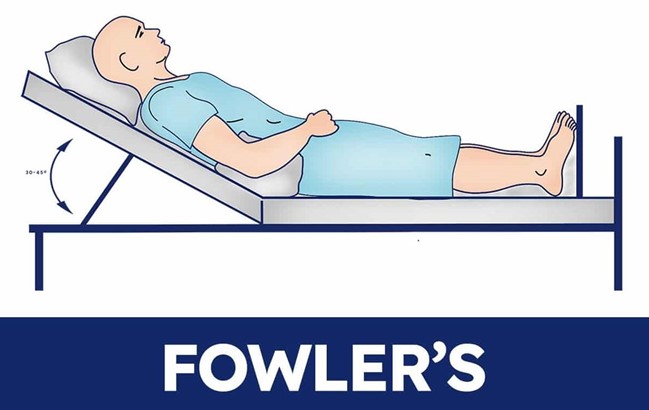
A. Maintain the client in Fowler’s position.
Choice A: Maintain the client in Fowler’s position. This is correct because Fowler’s position, which is a semi-sitting position with the head of the bed elevated 45 to 60 degrees, can facilitate the drainage of gastric contents and reduce the risk of aspiration.
B. Use sterile water to irrigate the nasogastric tube.
Choice B: Use sterile water to irrigate the nasogastric tube. This is incorrect because sterile water is not necessary to irrigate the nasogastric tube, unless the client is immunocompromised or has a high risk of infection. Tap water or normal saline can be used to irrigate the nasogastric tube, following the provider’s orders or the facility’s protocol.
C. Moisten the client’s lips with lemon-glycerin swabs.
Choice C: Moisten the client’s lips with lemon-glycerin swabs. This is incorrect because lemon-glycerin swabs can dry out and irritate the client’s lips and oral mucosa, especially if used frequently. The nurse should use water-soluble lubricant or lip balm to moisturize the client’s lips and mouth.
D. Measure abdominal girth daily.
Choice D: Measure abdominal girth daily. This is incorrect because measuring abdominal girth daily is not enough to monitor the progression of the intestinal obstruction and the effectiveness of the gastrointestinal decompression. The nurse should measure abdominal girth more frequently, such as every 4 hr or every shift, and report any changes or abnormalities.
This question is an excerpt from Nurse Dive's nursing test bank - ATI Monroe College NY PN 23NS SP 126 Proctored Exam 3. Take the full exam now
Full Explanation
Choice A: Maintain the client in Fowler’s position. This is correct because Fowler’s position, which is a semi-sitting position with the head of the bed elevated 45 to 60 degrees, can facilitate the drainage of gastric contents and reduce the risk of aspiration.
Choice B: Use sterile water to irrigate the nasogastric tube. This is incorrect because sterile water is not necessary to irrigate the nasogastric tube, unless the client is immunocompromised or has a high risk of infection. Tap water or normal saline can be used to irrigate the nasogastric tube, following the provider’s orders or the facility’s protocol.
Choice C: Moisten the client’s lips with lemon-glycerin swabs. This is incorrect because lemon-glycerin swabs can dry out and irritate the client’s lips and oral mucosa, especially if used frequently. The nurse should use water-soluble lubricant or lip balm to moisturize the client’s lips and mouth.
Choice D: Measure abdominal girth daily. This is incorrect because measuring abdominal girth daily is not enough to monitor the progression of the intestinal obstruction and the effectiveness of the gastrointestinal decompression. The nurse should measure abdominal girth more frequently, such as every 4 hr or every shift, and report any changes or abnormalities.
Similar Questions
A nurse finds a client who has type 1 diabetes mellitus lying in bed, sweating, tachycardic, and reporting feeling lightheaded and shaky. Which of the following complications should the nurse suspect?
A. Ketoacidosis
Choice A: Ketoacidosis. This is incorrect because ketoacidosis is a complication of hyperglycemia, not hypoglycemia. Ketoacidosis occurs when the body breaks down fat for energy due to insufficient insulin, resulting in the accumulation of ketones and acids in the blood. Ketoacidosis can cause symptoms such as nausea, vomiting, abdominal pain, fruity breath odor, deep and rapid breathing, and altered mental status.
B. Hyperglycemia
Choice B: Hyperglycemia. This is incorrect because hyperglycemia is a condition of high blood glucose, not low blood glucose. Hyperglycemia can occur due to insufficient insulin, excessive carbohydrate intake, infection, stress, or illness. Hyperglycemia can cause symptoms such as polyuria, polydipsia, polyphagia, blurred vision, fatigue, and headache.
C. Hypoglycemia
Choice C: Hypoglycemia. This is correct because hypoglycemia is a condition of low blood glucose, which can occur due to excessive insulin, inadequate carbohydrate intake, exercise, alcohol consumption, or medication interactions. Hypoglycemia can cause symptoms such as sweating, tachycardia, palpitations, tremors, hunger, anxiety, confusion, dizziness, weakness, and seizures.
D. Nephropathy
Choice D: Nephropathy. This is incorrect because nephropathy is a complication of chronic hyperglycemia, not acute hypoglycemia. Nephropathy is a kidney disease that results from damage to the small blood vessels and glomeruli in the kidneys due to high blood glucose levels. Nephropathy can cause symptoms such as proteinuria, edema, hypertension, and renal failure.
Full Explanation
Choice A: Ketoacidosis. This is incorrect because ketoacidosis is a complication of hyperglycemia, not hypoglycemia. Ketoacidosis occurs when the body breaks down fat for energy due to insufficient insulin, resulting in the accumulation of ketones and acids in the blood. Ketoacidosis can cause symptoms such as nausea, vomiting, abdominal pain, fruity breath odor, deep and rapid breathing, and altered mental status.
Choice B: Hyperglycemia. This is incorrect because hyperglycemia is a condition of high blood glucose, not low blood glucose. Hyperglycemia can occur due to insufficient insulin, excessive carbohydrate intake, infection, stress, or illness. Hyperglycemia can cause symptoms such as polyuria, polydipsia, polyphagia, blurred vision, fatigue, and headache.
Choice C: Hypoglycemia. This is correct because hypoglycemia is a condition of low blood glucose, which can occur due to excessive insulin, inadequate carbohydrate intake, exercise, alcohol consumption, or medication interactions. Hypoglycemia can cause symptoms such as sweating, tachycardia, palpitations, tremors, hunger, anxiety, confusion, dizziness, weakness, and seizures.
Choice D: Nephropathy. This is incorrect because nephropathy is a complication of chronic hyperglycemia, not acute hypoglycemia. Nephropathy is a kidney disease that results from damage to the small blood vessels and glomeruli in the kidneys due to high blood glucose levels. Nephropathy can cause symptoms such as proteinuria, edema, hypertension, and renal failure.
A nurse is assisting with teaching a newly licensed nurse about parenteral nutrition (PN). Which of the following information should the nurse include in the teaching?
A. Weigh the client weekly.
Choice A: Weigh the client weekly. This is incorrect because the client receiving PN should be weighed daily, not weekly, to monitor fluid balance and nutritional status. The nurse should also measure the client’s intake and output, blood glucose, electrolytes, and other laboratory values daily.
B. Reduce the rate of the solution gradually to discontinue.
Choice B: Reduce the rate of the solution gradually to discontinue. This is correct because the nurse should taper off the PN solution slowly to prevent rebound hypoglycemia, which can occur when the high concentration of glucose in the PN solution is abruptly stopped. The nurse should follow the provider’s orders or the facility’s protocol for reducing and discontinuing PN.
C. Remove solution from refrigerator 2 hr before infusion.
Choice C: Remove solution from refrigerator 2 hr before infusion. This is incorrect because the nurse should remove the PN solution from the refrigerator 30 to 60 minutes before infusion, not 2 hr, to allow it to reach room temperature. Infusing a cold solution can cause discomfort, vasoconstriction, and impaired absorption of nutrients.
D. Shake the solution before hanging if there is a layer of fat present on the top.
Choice D: Shake the solution before hanging if there is a layer of fat present on the top. This is incorrect because the nurse should not shake the PN solution at all, as this can cause fat emulsion droplets to coalesce and form large particles that can clog the filter or cause embolism. The nurse should gently invert or roll the PN solution container to mix it if there is any separation of components.
Full Explanation
Choice A: Weigh the client weekly. This is incorrect because the client receiving PN should be weighed daily, not weekly, to monitor fluid balance and nutritional status. The nurse should also measure the client’s intake and output, blood glucose, electrolytes, and other laboratory values daily.
Choice B: Reduce the rate of the solution gradually to discontinue. This is correct because the nurse should taper off the PN solution slowly to prevent rebound hypoglycemia, which can occur when the high concentration of glucose in the PN solution is abruptly stopped. The nurse should follow the provider’s orders or the facility’s protocol for reducing and discontinuing PN.
Choice C: Remove solution from refrigerator 2 hr before infusion. This is incorrect because the nurse should remove the PN solution from the refrigerator 30 to 60 minutes before infusion, not 2 hr, to allow it to reach room temperature. Infusing a cold solution can cause discomfort, vasoconstriction, and impaired absorption of nutrients.
Choice D: Shake the solution before hanging if there is a layer of fat present on the top. This is incorrect because the nurse should not shake the PN solution at all, as this can cause fat emulsion droplets to coalesce and form large particles that can clog the filter or cause embolism. The nurse should gently invert or roll the PN solution container to mix it if there is any separation of components.
A charge nurse is reinforcing teaching with a newly licensed nurse about the common link between ulcerative colitis and Crohn’s disease. Which of the following statements by the newly licensed nurse indicates an understanding of the teaching?
A. “Both illnesses result in malabsorption of nutrients.”
Choice A: Both illnesses result in malabsorption of nutrients. This is incorrect because malabsorption of nutrients is more common in Crohn’s disease than in ulcerative colitis. Crohn’s disease can affect any part of the gastrointestinal tract, including the small intestine, where most of the nutrient absorption occurs. Ulcerative colitis mainly affects the colon and rectum, which are responsible for water and electrolyte absorption.
B. “Both illnesses begin in the rectum.”
Choice B: Both illnesses begin in the rectum. This is incorrect because ulcerative colitis usually begins in the rectum and spreads proximally to the colon, while Crohn’s disease can begin anywhere in the gastrointestinal tract, from the mouth to the anus.
C. “Both illnesses manifest fistula formation.”
Choice C: Both illnesses manifest fistula formation. This is incorrect because fistula formation is more common in Crohn’s disease than in ulcerative colitis. Fistulas are abnormal connections between different parts of the gastrointestinal tract or other organs, such as the bladder, vagina, or skin. They are caused by inflammation, ulceration, and infection that penetrate through the bowel wall.
D. “Both illnesses are inflammatory in nature.”
Choice D: Both illnesses are inflammatory in nature. This is correct because both ulcerative colitis and Crohn’s disease are types of inflammatory bowel disease (IBD), which are chronic conditions that cause inflammation and damage to the gastrointestinal tract. The exact cause of IBD is unknown, but it may involve genetic, immune, environmental, and microbial factors.
Full Explanation
Choice A: Both illnesses result in malabsorption of nutrients. This is incorrect because malabsorption of nutrients is more common in Crohn’s disease than in ulcerative colitis. Crohn’s disease can affect any part of the gastrointestinal tract, including the small intestine, where most of the nutrient absorption occurs. Ulcerative colitis mainly affects the colon and rectum, which are responsible for water and electrolyte absorption.
Choice B: Both illnesses begin in the rectum. This is incorrect because ulcerative colitis usually begins in the rectum and spreads proximally to the colon, while Crohn’s disease can begin anywhere in the gastrointestinal tract, from the mouth to the anus.
Choice C: Both illnesses manifest fistula formation. This is incorrect because fistula formation is more common in Crohn’s disease than in ulcerative colitis. Fistulas are abnormal connections between different parts of the gastrointestinal tract or other organs, such as the bladder, vagina, or skin. They are caused by inflammation, ulceration, and infection that penetrate through the bowel wall.
Choice D: Both illnesses are inflammatory in nature. This is correct because both ulcerative colitis and Crohn’s disease are types of inflammatory bowel disease (IBD), which are chronic conditions that cause inflammation and damage to the gastrointestinal tract. The exact cause of IBD is unknown, but it may involve genetic, immune, environmental, and microbial factors.
