
Nursing practice questions with comprehensive rationales
NurseDive Free Nursing Practice Question
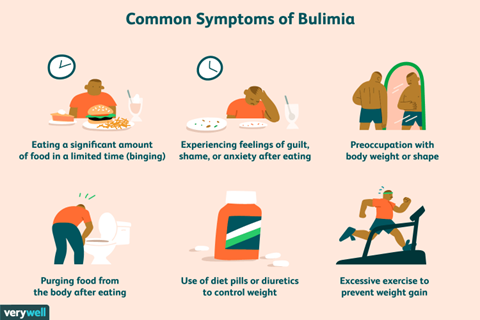
A nurse is contributing to the plan of care for a client who has bulimia nervosa. Which of the following interventions should the nurse recommend?
A. Administer bupropion 1 hr before meals
administering bupropion 1 hour before meals, is not an appropriate intervention for bulimia nervosa. Bupropion is an antidepressant medication that may be used for certain mood disorders, but it is not the primary treatment for bulimia nervosa.
B. Allow the client access to food throughout the day
, allowing the client access to food throughout the day, is not a recommended intervention for a client with bulimia nervosa. Clients with bulimia nervosa often struggle with impulse control and binge eating behaviors. Allowing unrestricted access to food may exacerbate their symptoms and increase the risk of binge-purge cycles.
C. Weigh the client once weekly
weighing the client once weekly, is not the most appropriate intervention for managing bulimia nervosa. While weight monitoring may be a component of treatment, it should not be the sole focus. The treatment for bulimia nervosa involves addressing the underlying psychological and behavioral factors contributing to the disorder.
D. Observe the client for 1 hr after meals.
For a client with bulimia nervosa, it is important to closely monitor their behavior after meals to prevent purging behaviors and ensure their safety. Observing the client for 1 hour after meals allows the nurse to provide support, encourage healthy coping strategies, and intervene if necessary to prevent purging episodes.
This question is an excerpt from Nurse Dive's nursing test bank - VATI PN Comprehensive Predictor 2020 Proctored Exam. Take the full exam now
Full Explanation
d. Observe the client for 1 hr after meals.
Explanation:
The correct answer is d. Observe the client for 1 hr after meals.
For a client with bulimia nervosa, it is important to closely monitor their behavior after meals to prevent purging behaviors and ensure their safety. Observing the client for 1 hour after meals allows the nurse to provide support, encourage healthy coping strategies, and intervene if necessary to prevent purging episodes.
Option a, administering bupropion 1 hour before meals, is not an appropriate intervention for bulimia nervosa. Bupropion is an antidepressant medication that may be used for certain mood disorders, but it is not the primary treatment for bulimia nervosa.
Option b, allowing the client access to food throughout the day, is not a recommended intervention for a client with bulimia nervosa. Clients with bulimia nervosa often struggle with impulse control and binge eating behaviors. Allowing unrestricted access to food may exacerbate their symptoms and increase the risk of binge-purge cycles.
Option c, weighing the client once weekly, is not the most appropriate intervention for managing bulimia nervosa. While weight monitoring may be a component of treatment, it should not be the sole focus. The treatment for bulimia nervosa involves addressing the underlying psychological and behavioral factors contributing to the disorder.
By recommending the observation of the client for 1 hour after meals, the nurse can provide necessary support, monitor the client for potential purging behaviors, and promote a safe and therapeutic environment for their recovery from bulimia nervosa.
Similar Questions
A nurse is preparing to instill an otic suspension into an adult client's ear.
Which of the following methods should the nurse plan to use?
A. Pull the auricle upward and outward.
A. Pull the auricle upward and outward: Pulling the auricle upward and outward is the recommended technique for instilling ear drops in an adult. This method straightens the ear canal, allowing better access for the medication to reach the target area. It is essential for effective delivery and absorption of the otic suspension.
B. Pull the auricle downward and backward.
B. Pull the auricle downward and backward: Pulling the auricle downward and backward is appropriate for children under three years old, as it aligns their shorter and straighter ear canal. In adults, this approach would not straighten the canal sufficiently for optimal medication instillation.
C. Pull the auricle upward and backward.
C. Pull the auricle upward and backward: While pulling the auricle upward and backward can straighten the adult ear canal, the optimal direction to ensure the ear canal is fully open is upward and outward. This position allows the medication to reach deeper parts of the ear canal effectively.
D. Pull the auricle downward and outward.
D. Pull the auricle downward and outward: Pulling the auricle downward and outward is not suitable for adults and does not provide the correct alignment for an adult ear canal. This technique is ineffective in reaching the canal's deeper parts in adult clients, thus limiting the efficacy of the medication.
E. None
None
F. None
None
Full Explanation
Answer: A. Pull the auricle upward and outward.
Rationale:
A. Pull the auricle upward and outward:
Pulling the auricle upward and outward is the recommended technique for instilling ear drops in an adult. This method straightens the ear canal, allowing better access for the medication to reach the target area. It is essential for effective delivery and absorption of the otic suspension.
B. Pull the auricle downward and backward:
Pulling the auricle downward and backward is appropriate for children under three years old, as it aligns their shorter and straighter ear canal. In adults, this approach would not straighten the canal sufficiently for optimal medication instillation.
C. Pull the auricle upward and backward:
While pulling the auricle upward and backward can straighten the adult ear canal, the optimal direction to ensure the ear canal is fully open is upward and outward. This position allows the medication to reach deeper parts of the ear canal effectively.
D. Pull the auricle downward and outward:
Pulling the auricle downward and outward is not suitable for adults and does not provide the correct alignment for an adult ear canal. This technique is ineffective in reaching the canal's deeper parts in adult clients, thus limiting the efficacy of the medication.
A nurse is reinforcing teaching with a newly licensed nurse about the HIPAA Privacy Rule. Which of the following statements by the newly licensed nurse indicates an understanding of the teaching?
A. The actual medical record belongs to the client
While clients have the right to access their medical records, the physical medical record itself typically belongs to the healthcare provider or facility that created it. The client does not own the physical document but has the right to view or obtain copies of it under HIPAA regulations.
B. A client's medical record information remains confidential, even during an emergency
While confidentiality is a core principle of the HIPAA Privacy Rule, there are specific exceptions during emergencies. For instance, healthcare providers may share information if it is necessary to provide care or if there is an imminent threat to the client or others. Thus, confidentiality can be adjusted in critical situations.
C. If the client dies, their family receives their medical record
A client’s medical records do not automatically go to their family after death. Access to a deceased person's medical records is typically granted to the executor of the estate or a legal representative, and specific legal processes must be followed. Therefore, this statement is incorrect.
D. A client has the right to view their medical record
Under the HIPAA Privacy Rule, clients have the right to access and view their medical records. They can request copies of their records, review them, and request amendments if they believe there are errors. This right is fundamental to ensuring transparency and accuracy in medical documentation.
Full Explanation
Answer: (D) A client has the right to view their medical record
Rationale:
A) The actual medical record belongs to the client: While clients have the right to access their medical records, the physical medical record itself typically belongs to the healthcare provider or facility that created it. The client does not own the physical document but has the right to view or obtain copies of it under HIPAA regulations.
B) A client's medical record information remains confidential, even during an emergency: While confidentiality is a core principle of the HIPAA Privacy Rule, there are specific exceptions during emergencies. For instance, healthcare providers may share information if it is necessary to provide care or if there is an imminent threat to the client or others. Thus, confidentiality can be adjusted in critical situations.
C) If the client dies, their family receives their medical record: A client’s medical records do not automatically go to their family after death. Access to a deceased person's medical records is typically granted to the executor of the estate or a legal representative, and specific legal processes must be followed. Therefore, this statement is incorrect.
D) A client has the right to view their medical record: Under the HIPAA Privacy Rule, clients have the right to access and view their medical records. They can request copies of their records, review them, and request amendments if they believe there are errors. This right is fundamental to ensuring transparency and accuracy in medical documentation.
A nurse is reinforcing teaching with an adolescent who has a new prescription for cefazolin.
For which of the following findings should the nurse instruct the adolescent to monitor and report to the provider?
A. Constipation
Constipation: Constipation is not a common adverse effect of cefazolin. While gastrointestinal disturbances such as diarrhea or nausea can occur with antibiotics, constipation is typically unrelated and does not require immediate reporting.
B. Elevated skin patches
Elevated skin patches: Skin eruptions, including hives or elevated erythematous patches, may indicate an allergic reaction to cefazolin. Early recognition and reporting are critical to prevent progression to severe hypersensitivity reactions such as anaphylaxis.
C. Ringing in the ears
Ringing in the ears: Ototoxicity is more commonly associated with aminoglycoside antibiotics, not cefazolin, which is a cephalosporin. Tinnitus would not be an expected adverse effect requiring urgent reporting in this context.
D. Depression
Depression: Cefazolin is not linked to mood changes or psychiatric effects. Monitoring for depression is unnecessary in this case, as it is unrelated to the medication’s known adverse effects.
E. None
None
F. None
None
Full Explanation
Rationale:
A. Constipation: Constipation is not a common adverse effect of cefazolin. While gastrointestinal disturbances such as diarrhea or nausea can occur with antibiotics, constipation is typically unrelated and does not require immediate reporting.
B. Elevated skin patches: Skin eruptions, including hives or elevated erythematous patches, may indicate an allergic reaction to cefazolin. Early recognition and reporting are critical to prevent progression to severe hypersensitivity reactions such as anaphylaxis.
C. Ringing in the ears: Ototoxicity is more commonly associated with aminoglycoside antibiotics, not cefazolin, which is a cephalosporin. Tinnitus would not be an expected adverse effect requiring urgent reporting in this context.
D. Depression: Cefazolin is not linked to mood changes or psychiatric effects. Monitoring for depression is unnecessary in this case, as it is unrelated to the medication’s known adverse effects.