
Nursing practice questions with comprehensive rationales
NurseDive Free Nursing Practice Question
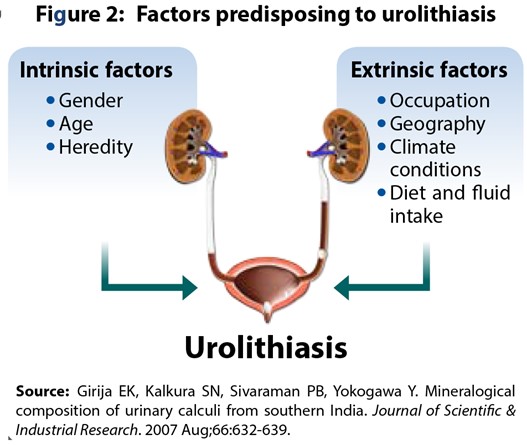
A nurse is contributing to the plan of care for a client who has urolithiasis. Which of the following interventions should the nurse include in the plan?
A. Tell the client to expect a decrease in urine output.
Reason: Telling the client to expect a decrease in urine output is not an appropriate intervention for a client who has urolithiasis, as it may indicate dehydration, obstruction, or infection.
B. Encourage the client to drink 3 L of fluids per day.
Reason: Encouraging the client to drink 3 L of fluids per day is an appropriate intervention for a client who has urolithiasis, as it helps to flush out stones, prevent new stone formation, and reduce urinary concentration.
C. Provide the client with a high protein diet.
Reason: Providing the client with a high protein diet is not an appropriate intervention for a client who has urolithiasis, as it may increase uric acid and calcium excretion and promote stone formation.
D. Maintain the client on bed rest.
Reason: Maintaining the client on bed rest is not an appropriate intervention for a client who has urolithiasis, as it may decrease renal perfusion and increase urinary stasis.
This question is an excerpt from Nurse Dive's nursing test bank - ATI Med Surg Proctored Exam 3. Take the full exam now
Full Explanation
Choice A Reason: Telling the client to expect a decrease in urine output is not an appropriate intervention for a client who has urolithiasis, as it may indicate dehydration, obstruction, or infection.
Choice B Reason: Encouraging the client to drink 3 L of fluids per day is an appropriate intervention for a client who has urolithiasis, as it helps to flush out stones, prevent new stone formation, and reduce urinary concentration.
Choice C Reason: Providing the client with a high protein diet is not an appropriate intervention for a client who has urolithiasis, as it may increase uric acid and calcium excretion and promote stone formation.
Choice D Reason: Maintaining the client on bed rest is not an appropriate intervention for a client who has urolithiasis, as it may decrease renal perfusion and increase urinary stasis.
Similar Questions
When evaluating a client how to administer insulin, which action indicates that additional teaching is necessary?
A. Checks blood sugar then eats breakfast prior to injecting insulin.
Reason: Checking blood sugar then eating breakfast prior to injecting insulin indicates that additional teaching is necessary, as it may cause hyperglycemia or hypoglycemia depending on the type and timing of insulin. The client should inject insulin before eating breakfast according to their blood sugar level and carbohydrate intake.
B. Rotates sites from arms, legs, and abdomen.
Reason: Rotating sites from arms, legs, and abdomen indicates that no additional teaching is necessary, as it helps to prevent lipodystrophy and ensure consistent absorption of insulin.
C. Ensures the use of insulin syringe with units.
Reason: Ensuring the use of insulin syringe with units indicates that no additional teaching is necessary, as it helps to prevent dosing errors and ensure accurate administration of insulin.
D. Activates the safety lock on the syringe before disposing in a sharps container.
Reason: Activating the safety lock on the syringe before disposing in a sharps container indicates that no additional teaching is necessary, as it helps to prevent needlestick injuries and infection transmission.
Full Explanation
Choice A Reason: Checking blood sugar then eating breakfast prior to injecting insulin indicates that additional teaching is necessary, as it may cause hyperglycemia or hypoglycemia depending on the type and timing of insulin. The client should inject insulin before eating breakfast according to their blood sugar level and carbohydrate intake.
Choice B Reason: Rotating sites from arms, legs, and abdomen indicates that no additional teaching is necessary, as it helps to prevent lipodystrophy and ensure consistent absorption of insulin.
Choice C Reason: Ensuring the use of insulin syringe with units indicates that no additional teaching is necessary, as it helps to prevent dosing errors and ensure accurate administration of insulin.
Choice D Reason: Activating the safety lock on the syringe before disposing in a sharps container indicates that no additional teaching is necessary, as it helps to prevent needlestick injuries and infection transmission.
A nurse is caring for a client who is receiving chemotherapy for treatment of ovarian cancer and experiencing nausea. Which of the following actions should the nurse take?
A. Instruct the client to restrict food intake prior to treatment.
Instructing the client to restrict food intake prior to treatment is not the best approach. While it might reduce nausea temporarily, it can lead to weakness and nutritional deficiencies. Chemotherapy patients need adequate nutrition to maintain their strength and immune function.
B. Encourage the client to drink a carbonated beverage 1 hr before meals.
Encouraging the client to drink a carbonated beverage 1 hour before meals can sometimes help with mild nausea, but it is not as effective as antiemetic medications. Carbonated beverages may provide temporary relief but do not address the underlying cause of chemotherapy-induced nausea.
C. Provide the client with an antiemetic 2 hours prior to the chemotherapy.
Providing the client with an antiemetic 2 hours prior to chemotherapy is the most effective action. Antiemetics are specifically designed to prevent nausea and vomiting associated with chemotherapy. Administering them before treatment helps to manage symptoms proactively, improving the client's comfort and ability to tolerate chemotherapy.
D. Advise the client to lie down after meals.
Advising the client to lie down after meals is not recommended as it can worsen nausea and increase the risk of gastroesophageal reflux. It is generally better for clients to remain upright for a period after eating to aid digestion and reduce nausea.
Full Explanation
The correct answer is: C. Provide the client with an antiemetic 2 hours prior to the chemotherapy.
Choice A reason:
Instructing the client to restrict food intake prior to treatment is not the best approach. While it might reduce nausea temporarily, it can lead to weakness and nutritional deficiencies. Chemotherapy patients need adequate nutrition to maintain their strength and immune function.
Choice B reason:
Encouraging the client to drink a carbonated beverage 1 hour before meals can sometimes help with mild nausea, but it is not as effective as antiemetic medications. Carbonated beverages may provide temporary relief but do not address the underlying cause of chemotherapy-induced nausea.
Choice C reason:
Providing the client with an antiemetic 2 hours prior to chemotherapy is the most effective action. Antiemetics are specifically designed to prevent nausea and vomiting associated with chemotherapy. Administering them before treatment helps to manage symptoms proactively, improving the client's comfort and ability to tolerate chemotherapy.
Choice D reason:
Advising the client to lie down after meals is not recommended as it can worsen nausea and increase the risk of gastroesophageal reflux. It is generally better for clients to remain upright for a period after eating to aid digestion and reduce nausea.
The nurse is teaching a group of student nurses on the care of a client with Parkinson's disease. Which statement, if made by a student, indicates understanding of the topic?
A. Parkinson's disease results from too low acetylcholine as a result of an autoimmune reaction.
Reason: Parkinson's disease does not result from too low acetylcholine as a result of an autoimmune reaction, but this may be a description of myasthenia gravis, which affects the neuromuscular junction.
B. This disease is caused by the deterioration of the myelin sheath of the basal ganglia.
Reason: Parkinson's disease is not caused by the deterioration of the myelin sheath of the basal ganglia, but this may be a description of multiple sclerosis, which affects the central nervous system.
C. Excess dopamine and deficient acetylcholine are the two major causes of Parkinson's disease.
Reason: Excess dopamine and deficient acetylcholine are not the two major causes of Parkinson's disease, but they are reversed. Parkinson's disease is caused by low dopamine and high acetylcholine levels in the brain.
D. Parkinson's is caused by depletion of dopamine and excess of acetylcholine.
Reason: Parkinson's is caused by depletion of dopamine and excess of acetylcholine, as this affects the balance between these two neurotransmitters that control movement and coordination.
Full Explanation
Choice A Reason: Parkinson's disease does not result from too low acetylcholine as a result of an autoimmune reaction, but this may be a description of myasthenia gravis, which affects the neuromuscular junction.
Choice B Reason: Parkinson's disease is not caused by the deterioration of the myelin sheath of the basal ganglia, but this may be a description of multiple sclerosis, which affects the central nervous system.
Choice C Reason: Excess dopamine and deficient acetylcholine are not the two major causes of Parkinson's disease, but they are reversed. Parkinson's disease is caused by low dopamine and high acetylcholine levels in the brain.
Choice D Reason: Parkinson's is caused by depletion of dopamine and excess of acetylcholine, as this affects the balance between these two neurotransmitters that control movement and coordination.