Nursing practice questions with comprehensive rationales
NurseDive Free Nursing Practice Question
A nurse is contributing to the plan of care of a client who has a small bowel obstruction. Which of the following interventions should the nurse include?
A. Provide bulk-forming agent.
Choice A: Provide bulk-forming agent. This is incorrect because bulk-forming agents are used to treat constipation, not bowel obstruction. They can worsen the obstruction by increasing the stool volume and pressure in the bowel.
B. Elevate the head of the bed.
Elevating the head of the bed is an important intervention for clients with a small bowel obstruction. It can help reduce abdominal pressure, promote comfort, and facilitate better respiratory function, especially if the client is experiencing any associated nausea or vomiting. This position can also aid in the proper positioning of the intestines, potentially helping with any non-complicated obstructions.
C. Measure abdominal girth daily.
Choice C: Measure abdominal girth daily. While this is an important assessment for monitoring the status of the obstruction, the immediate intervention of elevating the head of the bed can provide immediate comfort and support during the acute phase of the obstruction.
D. Monitor intake and output every 8 hr.
Choice D: Monitor intake and output every 8 hr. This is incorrect because monitoring intake and output is not enough to assess the fluid and electrolyte balance of a client with a bowel obstruction. The nurse should monitor intake and output more frequently, such as every 4 hr or every shift, and report any signs of dehydration or imbalance.
This question is an excerpt from Nurse Dive's nursing test bank - ATI Monroe College NY PN 23NS SP 126 Proctored Exam 3. Take the full exam now
Full Explanation
Choice A: Provide bulk-forming agent. This is incorrect because bulk-forming agents are used to treat constipation, not bowel obstruction. They can worsen the obstruction by increasing the stool volume and pressure in the bowel.
Choice B: Elevate the head of the bed. Elevating the head of the bed is an important intervention for clients with a small bowel obstruction. It can help reduce abdominal pressure, promote comfort, and facilitate better respiratory function, especially if the client is experiencing any associated nausea or vomiting. This position can also aid in the proper positioning of the intestines, potentially helping with any non-complicated obstructions.
Choice D: Monitor intake and output every 8 hr. This is incorrect because monitoring intake and output is not enough to assess the fluid and electrolyte balance of a client with a bowel obstruction. The nurse should monitor intake and output more frequently, such as every 4 hr or every shift, and report any signs of dehydration or imbalance.
Choice C: Measure abdominal girth daily. While this is an important assessment for monitoring the status of the obstruction, the immediate intervention of elevating the head of the bed can provide immediate comfort and support during the acute phase of the obstruction.
Similar Questions
A nurse is reviewing the laboratory report of a client who has hypoparathyroidism. The nurse should expect which of the following values?
A. Phosphate 5.7 mg/dL
Choice A reason: Phosphate 5.7 mg/dL is an elevated value, as the normal range is 2.5 to 4.5 mg/dL. Hypoparathyroidism causes low levels of parathyroid hormone (PTH), which regulates calcium and phosphorus balance in the body. Low PTH leads to low calcium and high phosphorus levels in the blood.
B. Vitamin D 25 ng/mL
Choice B reason: Vitamin D 25 ng/mL is a normal value, as the normal range is 20 to 50 ng/mL. Hypoparathyroidism does not directly affect vitamin D levels, but vitamin D supplements may be given to help increase calcium absorption and lower phosphorus levels in the blood.
C. Calcium 9.8 mg/dL
Choice C reason: Calcium 9.8 mg/dL is a normal value, as the normal range is 8.6 to 10.2 mg/dL. Hypoparathyroidism causes low levels of parathyroid hormone (PTH), which regulates calcium and phosphorus balance in the body. Low PTH leads to low calcium and high phosphorus levels in the blood. However, calcium levels may be normal or near- normal in some cases of hypoparathyroidism, especially if the condition is mild or well-controlled with treatment.
D. Magnesium 1.8 mEq/L
Choice D reason: Magnesium 1.8 mEq/L is a normal value, as the normal range is 1.5 to 2.5 mEq/L. Hypoparathyroidism does not directly affect magnesium levels, but magnesium deficiency can cause or worsen hypoparathyroidism, as magnesium is needed for PTH secretion and action. Magnesium supplements may be given to correct magnesium deficiency and improve PTH function.
Full Explanation
Choice A reason: Phosphate 5.7 mg/dL is an elevated value, as the normal range is 2.5 to 4.5 mg/dL. Hypoparathyroidism causes low levels of parathyroid hormone (PTH), which regulates calcium and phosphorus balance in the body. Low PTH leads to low calcium and high phosphorus levels in the blood.
Choice B reason: Vitamin D 25 ng/mL is a normal value, as the normal range is 20 to 50 ng/mL. Hypoparathyroidism does not directly affect vitamin D levels, but vitamin D supplements may be given to help increase calcium absorption and lower phosphorus levels in the blood.
Choice C reason: Calcium 9.8 mg/dL is a normal value, as the normal range is 8.6 to 10.2 mg/dL. Hypoparathyroidism causes low levels of parathyroid hormone (PTH), which regulates calcium and phosphorus balance in the body. Low PTH leads to low calcium and high phosphorus levels in the blood. However, calcium levels may be normal or near- normal in some cases of hypoparathyroidism, especially if the condition is mild or well-controlled with treatment.
Choice D reason: Magnesium 1.8 mEq/L is a normal value, as the normal range is 1.5 to 2.5 mEq/L. Hypoparathyroidism does not directly affect magnesium levels, but magnesium deficiency can cause or worsen hypoparathyroidism, as magnesium is needed for PTH secretion and action. Magnesium supplements may be given to correct magnesium deficiency and improve PTH function.
A nurse is caring for a client who is experiencing an acute exacerbation of ulcerative colitis. The nurse should recognize that which of the following actions is the priority?
A. Provide emotional support.
Choice A reason: Providing emotional support is important for a client who has ulcerative colitis, as the condition can affect their quality of life and mental health. However, this is not the priority action for a nurse who is caring for a client who is experiencing an acute exacerbation of ulcerative colitis, as it does not address the immediate physical needs of the client.
B. Evaluate fluid and electrolyte levels.
Choice B reason: Evaluating fluid and electrolyte levels is the priority action for a nurse who is caring for a client who is experiencing an acute exacerbation of ulcerative colitis, as the client is at risk of dehydration, hypovolemia, and electrolyte imbalances due to diarrhea, vomiting, and poor oral intake. The nurse should monitor the client’s vital signs, urine output, weight, skin turgor, mucous membranes, and laboratory values such as serum sodium, potassium, chloride, bicarbonate, blood urea nitrogen (BUN), and creatinine.
C. Promote physical mobility.
Choice C reason: Promoting physical mobility is beneficial for a client who has ulcerative colitis, as it can help prevent complications such as deep vein thrombosis (DVT), pulmonary embolism (PE), and pressure ulcers. However, this is not the priority action for a nurse who is caring for a client who is experiencing an acute exacerbation of ulcerative colitis, as the client may have abdominal pain, fatigue, and weakness that limit their mobility. The nurse should encourage rest and provide comfort measures such as positioning, heat therapy, and analgesics.
D. Review stress factors that can cause disease exacerbation
Choice D reason: Reviewing stress factors that can cause disease exacerbation is helpful for a client who has ulcerative colitis, as stress can trigger or worsen inflammation in the bowel. However, this is not the priority action for a nurse who is caring for a client who is experiencing an acute exacerbation of ulcerative colitis, as it does not address the immediate physical needs of the client. The nurse should teach the client about stress management techniques and refer them to appropriate resources such as counseling or support groups.
Full Explanation
Choice A reason: Providing emotional support is important for a client who has ulcerative colitis, as the condition can affect their quality of life and mental health. However, this is not the priority action for a nurse who is caring for a client who is experiencing an acute exacerbation of ulcerative colitis, as it does not address the immediate physical needs of the client.
Choice B reason: Evaluating fluid and electrolyte levels is the priority action for a nurse who is caring for a client who is experiencing an acute exacerbation of ulcerative colitis, as the client is at risk of dehydration, hypovolemia, and electrolyte imbalances due to diarrhea, vomiting, and poor oral intake. The nurse should monitor the client’s vital signs, urine output, weight, skin turgor, mucous membranes, and laboratory values such as serum sodium, potassium, chloride, bicarbonate, blood urea nitrogen (BUN), and creatinine.
Choice C reason: Promoting physical mobility is beneficial for a client who has ulcerative colitis, as it can help prevent complications such as deep vein thrombosis (DVT), pulmonary embolism (PE), and pressure ulcers. However, this is not the priority action for a nurse who is caring for a client who is experiencing an acute exacerbation of ulcerative colitis, as the client may have abdominal pain, fatigue, and weakness that limit their mobility. The nurse should encourage rest and provide comfort measures such as positioning, heat therapy, and analgesics.
Choice D reason: Reviewing stress factors that can cause disease exacerbation is helpful for a client who has ulcerative colitis, as stress can trigger or worsen inflammation in the bowel. However, this is not the priority action for a nurse who is caring for a client who is experiencing an acute exacerbation of ulcerative colitis, as it does not address the immediate physical needs of the client. The nurse should teach the client about stress management techniques and refer them to appropriate resources such as counseling or support groups.
A nurse is collecting data on a client who has acute pancreatitis. Which of the following factors should the nurse anticipate in the client’s history?
A. Shock
Choice A reason: Shock is not a cause of acute pancreatitis, but a possible complication of severe cases that can lead to organ failure and death.
B. Gallstones
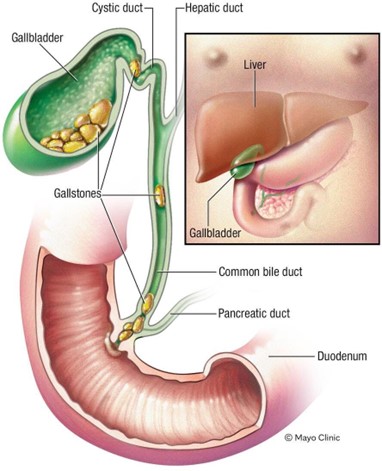
Choice B reason: Gallstones are one of the major causes of acute pancreatitis, as they can block the pancreatic duct and prevent the flow of digestive enzymes, leading to inflammation and damage of the pancreas.
C. Diabetes mellitus
Choice C reason: Diabetes mellitus is not a cause of acute pancreatitis, but a possible complication of chronic pancreatitis, as the damage to the pancreas can impair its ability to produce insulin and regulate blood sugar levels.
D. GERD
Choice D reason: GERD (gastroesophageal reflux disease) is not a cause of acute pancreatitis, but a condition that affects the lower esophageal sphincter and allows stomach acid to reflux into the esophagus, causing heartburn and other symptoms.
Full Explanation
Choice A reason: Shock is not a cause of acute pancreatitis, but a possible complication of severe cases that can lead to organ failure and death.
Choice B reason: Gallstones are one of the major causes of acute pancreatitis, as they can block the pancreatic duct and prevent the flow of digestive enzymes, leading to inflammation and damage of the pancreas.
Choice C reason: Diabetes mellitus is not a cause of acute pancreatitis, but a possible complication of chronic pancreatitis, as the damage to the pancreas can impair its ability to produce insulin and regulate blood sugar levels.
Choice D reason: GERD (gastroesophageal reflux disease) is not a cause of acute pancreatitis, but a condition that affects the lower esophageal sphincter and allows stomach acid to reflux into the esophagus, causing heartburn and other symptoms.