
Nursing practice questions with comprehensive rationales
NurseDive Free Nursing Practice Question
A nurse is developing a plan of care for a client who is receiving radiation therapy and is experiencing nausea. Which of the following interventions should the nurse include in the plan?
A. Provide a snack 30 min before treatments
Providing a snack 30 minutes before treatments is not an appropriate intervention for nausea associated with radiation therapy. In fact, eating before radiation therapy may worsen nausea in some individuals. It is generally recommended to have a light meal or snack a few hours before the treatment to avoid an empty stomach but also prevent overeating that can trigger nausea.
B. Administer antiemetics on a schedule
Administer antiemetics on a schedule. Antiemetics are medications used to prevent or relieve nausea and vomiting. By administering them on a schedule, the nurse can help manage and control the client's nausea more effectively.
C. Ensure foods are served hot
Ensuring foods are served hot is not a recommended intervention for nausea. In fact, hot foods may exacerbate nausea in some individuals. It is advisable to serve foods at a cooler or room temperature, as cooler foods may be better tolerated.
D. Serve low carbohydrate meals
Serving low carbohydrate meals is not specific to managing nausea associated with radiation therapy. While some individuals may find low carbohydrate meals easier to digest, there is no strong evidence suggesting that they alleviate nausea specifically. The choice of meals should be based on the client's preferences, tolerance, and any dietary restrictions they may have.
This question is an excerpt from Nurse Dive's nursing test bank - ATI RN Nutrition 2019 Proctored Exam. Take the full exam now
Full Explanation
Administer antiemetics on a schedule. Antiemetics are medications used to prevent or relieve nausea and vomiting. By administering them on a schedule, the nurse can help manage and control the client's nausea more effectively.
Providing a snack 30 minutes before treatments is not an appropriate intervention for nausea associated with radiation therapy. In fact, eating before radiation therapy may worsen nausea in some individuals. It is generally recommended to have a light meal or snack a few hours before the treatment to avoid an empty stomach but also prevent overeating that can trigger nausea.
Ensuring foods are served hot is not a recommended intervention for nausea. In fact, hot foods may exacerbate nausea in some individuals. It is advisable to serve foods at a cooler or room temperature, as cooler foods may be better tolerated.
Serving low carbohydrate meals is not specific to managing nausea associated with radiation therapy. While some individuals may find low carbohydrate meals easier to digest, there is no strong evidence suggesting that they alleviate nausea specifically. The choice of meals should be based on the client's preferences, tolerance, and any dietary restrictions they may have.
Similar Questions
A nurse is teaching a group of clients about dietary needs to prevent osteoporosis. Which of the following dietary choices should the nurse recommend as having the highest calcium content?
A. One large tomato
B. One medium banana
C. 1 cup green grapes
D. 1 cup broccoli
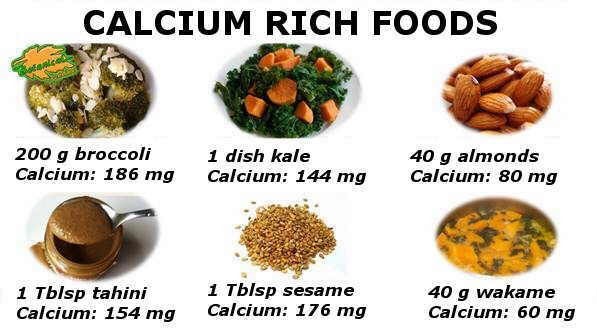
The dietary choice with the highest calcium content among the options provided would be 1 cup of broccoli. Broccoli is a good source of calcium and can contribute to meeting the body's calcium needs. While tomatoes, bananas, and grapes are healthy fruits, they are not significant sources of calcium. They are lower in calcium content compared to broccoli. However, these fruits do offer other nutritional benefits such as vitamins and antioxidants. To promote bone health and prevent osteoporosis, it is important to include calcium-rich foods in the diet, such as dairy products (milk, yogurt, cheese), fortified plant-based milk, leafy green vegetables (like broccoli), tofu, and certain fish (like salmon and sardines). Additionally, adequate vitamin D intake and regular weight-bearing exercise are also important for maintaining strong bones.
Full Explanation
The dietary choice with the highest calcium content among the options provided would be 1 cup of broccoli. Broccoli is a good source of calcium and can contribute to meeting the body's calcium needs.
While tomatoes, bananas, and grapes are healthy fruits, they are not significant sources of calcium. They are lower in calcium content compared to broccoli. However, these fruits do offer other nutritional benefits such as vitamins and antioxidants.
To promote bone health and prevent osteoporosis, it is important to include calcium-rich foods in the diet, such as dairy products (milk, yogurt, cheese), fortified plant-based milk, leafy green vegetables (like broccoli), tofu, and certain fish (like salmon and sardines). Additionally, adequate vitamin D intake and regular weight-bearing exercise are also important for maintaining strong bones.
A nurse is teaching a class about dietary guidelines to promote cardiovascular health. Which of the following recommendations should the nurse include in the teaching?
A. Increase intake of whole grains.
In teaching about dietary guidelines to promote cardiovascular health, the nurse should include the recommendation to increase the intake of whole grains. Whole grains, such as whole wheat, brown rice, oats, and quinoa, are rich in fiber, vitamins, minerals, and phytochemicals that are beneficial for cardiovascular health. They can help lower cholesterol levels, improve blood sugar control, and reduce the risk of heart disease.
B. Increase intake of refined carbohydrates.
Increasing the intake of refined carbohydrates is not a recommended recommendation for promoting cardiovascular health. Refined carbohydrates, such as white bread, white rice, and sugary snacks, have been associated with an increased risk of heart disease. They are often low in fiber and can cause spikes in blood sugar levels, leading to poor cardiovascular health outcomes.
C. Decrease intake of potassium.
Decreasing the intake of potassium is also not a recommended recommendation. Potassium is an essential mineral that plays a vital role in maintaining heart health and blood pressure regulation. Adequate intake of potassium-rich foods, such as bananas, avocados, spinach, and sweet potatoes, can help lower blood pressure and reduce the risk of cardiovascular diseases.
D. Decrease intake of omega-3 fatty acids.
Decreasing intake of omega-3 fatty acids is incorrect as well. Omega-3 fatty acids, found in fatty fish (such as salmon, mackerel, and sardines), flaxseeds, chia seeds, and walnuts, have been shown to have numerous cardiovascular benefits. They can help reduce inflammation, lower triglyceride levels, improve heart rhythm, and decrease the risk of heart disease. Therefore, it is important to include omega-3 fatty acids in the diet for optimal cardiovascular health.
Full Explanation
In teaching about dietary guidelines to promote cardiovascular health, the nurse should include the recommendation to increase the intake of whole grains. Whole grains, such as whole wheat, brown rice, oats, and quinoa, are rich in fiber, vitamins, minerals, and phytochemicals that are beneficial for cardiovascular health. They can help lower cholesterol levels, improve blood sugar control, and reduce the risk of heart disease.
The other choices are incorrect:
Increasing the intake of refined carbohydrates is not a recommended recommendation for promoting cardiovascular health. Refined carbohydrates, such as white bread, white rice, and sugary snacks, have been associated with an increased risk of heart disease. They are often low in fiber and can cause spikes in blood sugar levels, leading to poor cardiovascular health outcomes.
Decreasing the intake of potassium is also not a recommended recommendation. Potassium is an essential mineral that plays a vital role in maintaining heart health and blood pressure regulation. Adequate intake of potassium-rich foods, such as bananas, avocados, spinach, and sweet potatoes, can help lower blood pressure and reduce the risk of cardiovascular diseases.
Decreasing intake of omega-3 fatty acids is incorrect as well. Omega-3 fatty acids, found in fatty fish (such as salmon, mackerel, and sardines), flaxseeds, chia seeds, and walnuts, have been shown to have numerous cardiovascular benefits. They can help reduce inflammation, lower triglyceride levels, improve heart rhythm, and decrease the risk of heart disease. Therefore, it is important to include omega-3 fatty acids in the diet for optimal cardiovascular health.
A nurse is caring for a client who has dysphagia. Which of the following actions should the nurse take?
A. Place the client in a semi-Fowler's position when eating.
Place the client in a semi-Fowler's position when eating. The semi-Fowler's position involves elevating the head of the bed to an angle of 30 to 45 degrees. This position helps prevent aspiration by facilitating proper swallowing and reducing the risk of food or liquid entering the airway.
B. Initiate calorie count of daily food intake.
Initiating a calorie count of daily food intake is not a specific action for dysphagia. Calorie counting is generally used for monitoring caloric intake in clients with specific dietary needs or conditions, but it is not directly related to dysphagia management. The focus for dysphagia management is on ensuring safe swallowing and preventing complications such as aspiration.
C. Instruct the client to keep their chin up when swallowing.
Instructing the client to keep their chin up when swallowing is not appropriate for dysphagia management. This action can actually increase the risk of aspiration. The proper technique for swallowing with dysphagia typically involves tucking the chin slightly down towards the chest to help close off the airway and direct the food or liquid down the esophagus.
D. Provide food in a thin liquid consistency.
Providing food in a thin liquid consistency is not appropriate for dysphagia unless specifically recommended by a healthcare professional. Dysphagia diets typically involve modifying the consistency of food and liquids based on the client's swallowing abilities and recommendations from a speech-language pathologist or dietitian. Different levels of texture modifications (such as pureed, minced, or mechanically soft) may be prescribed to ensure safe swallowing and reduce the risk of aspiration.
Full Explanation
Place the client in a semi-Fowler's position when eating. The semi-Fowler's position involves elevating the head of the bed to an angle of 30 to 45 degrees. This position helps prevent aspiration by facilitating proper swallowing and reducing the risk of food or liquid entering the airway.

Initiating a calorie count of daily food intake is not a specific action for dysphagia. Calorie counting is generally used for monitoring caloric intake in clients with specific dietary needs or conditions, but it is not directly related to dysphagia management. The focus for dysphagia management is on ensuring safe swallowing and preventing complications such as aspiration.
Instructing the client to keep their chin up when swallowing is not appropriate for dysphagia management. This action can actually increase the risk of aspiration. The proper technique for swallowing with dysphagia typically involves tucking the chin slightly down towards the chest to help close off the airway and direct the food or liquid down the esophagus.
Providing food in a thin liquid consistency is not appropriate for dysphagia unless specifically recommended by a healthcare professional. Dysphagia diets typically involve modifying the consistency of food and liquids based on the client's swallowing abilities and recommendations from a speech-language pathologist or dietitian. Different levels of texture modifications (such as pureed, minced, or mechanically soft) may be prescribed to ensure safe swallowing and reduce the risk of aspiration.