
Nursing practice questions with comprehensive rationales
NurseDive Free Nursing Practice Question
A nurse is developing a plan of care for a client with a new diagnosis of Graves' disease.
Which of the following interventions does the nurse include in the plan of care?
A. Keeping the room well-lit at all time
Clients with Graves' disease may have increased sensitivity to light due to ocular manifestations like photophobia, so keeping the room well-lit may can cause eye irritation.
B. Encouraging frequent ambulation and exercise
Encouraging frequent ambulation and exercise may worsen the symptoms of hyperthyroidism, such as tachycardia, palpitations, and tremors.
C. Providing a high-calorie and high protein diet
This is because clients with Graves' disease have an increased metabolic rate and may experience weight loss, muscle wasting, and fatigue. A high- calorie and high protein diet can help prevent these complications and provide adequate nutrition for the client.
D. Placing extra blankets over the client
Placing extra blankets over the client may increase the body temperature and cause heat intolerance, which is another common symptom of Graves' disease.
This question is an excerpt from Nurse Dive's nursing test bank - Interprofessional Care of the Client and Family Across the Lifespan II Proctored Exam. Take the full exam now
Full Explanation
Choice A rationale: Clients with Graves' disease may have increased sensitivity to light due to ocular manifestations like photophobia, so keeping the room well-lit may can cause eye irritation.
Choice B rationale: Encouraging frequent ambulation and exercise may worsen the symptoms of hyperthyroidism, such as tachycardia, palpitations, and tremors.
Choice C rationale: This is because clients with Graves' disease have an increased
metabolic rate and may experience weight loss, muscle wasting, and fatigue. A high- calorie and high protein diet can help prevent these complications and provide adequate nutrition for the client.
Choice D rationale: Placing extra blankets over the client may increase the body temperature and cause heat intolerance, which is another common symptom of Graves' disease.
Similar Questions
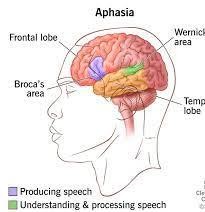
A 45-year-old man on the neurology floor can understand instructions but is unable to express himself through talking. Which lobe of the brain controls the expression of speech?
A. Frontal lobe
The frontal lobe, specifically Broca's area located in the dominant hemisphere, is responsible for expressive speech. Damage to this area can result in expressive aphasia or difficulty expressing speech.
B. Occipital lobe
The occipital lobe primarily processes visual information.
C. Temporal lobe
The temporal lobe is involved in auditory processing and language comprehension.
D. Parietal lobe
The parietal lobe is involved in spatial perception, attention, and sensory information processing.
Full Explanation
Choice A rationale: The frontal lobe, specifically Broca's area located in the dominant hemisphere, is responsible for expressive speech. Damage to this area can result in expressive aphasia or difficulty expressing speech.
Choice B rationale: The occipital lobe primarily processes visual information.
Choice C rationale: The temporal lobe is involved in auditory processing and language comprehension.
Choice D rationale: The parietal lobe is involved in spatial perception, attention, and sensory information processing.
 |
A 49-year-old man who has type 2 diabetes, high blood pressure, hyperlipidemia, and gastroesophageal reflux tells the nurse that he has had recent difficulty in achieving an erection.
Which of the following drugs from his current medications list may cause erectile dysfunction (ED)?
A. Propranolol (Inderal)
Propranolol, a beta-blocker used for high blood pressure and other cardiovascular conditions, is known to have potential side effects of sexual dysfunction, including erectile dysfunction (ED).
B. Ranitidine (Zantac)
Ranitidine (Zantac) is an H2 blocker used for acid reflux and isn't typically associated with causing ED.
C. Atorvastatin (Lipitor)
Atorvastatin (Lipitor), a statin used for high cholesterol, isn't commonly associated with causing ED.
D. Metformin (Glucophage)
Metformin (Glucophage), used for type 2 diabetes, is not typically linked to causing ED.
Full Explanation
Choice A rationale: Propranolol, a beta-blocker used for high blood pressure and other cardiovascular conditions, is known to have potential side effects of sexual dysfunction, including erectile dysfunction (ED).
Choice B rationale: Ranitidine (Zantac) is an H2 blocker used for acid reflux and isn't typically associated with causing ED.
Choice C rationale: Atorvastatin (Lipitor), a statin used for high cholesterol, isn't commonly associated with causing ED.
Choice D rationale: Metformin (Glucophage), used for type 2 diabetes, is not typically linked to causing ED.
Which nursing action should be included in the plan of care for a patient returning to the surgical unit after a left modified radical mastectomy with dissection of axillary lymph nodes?
A. Post a sign at the bedside warning against venipunctures or blood pressures in the left arm.
Post-surgery, there's a risk of lymphedema in the affected arm, so avoiding procedures like venipuncture or blood pressure measurements in the left arm helps prevent complications.
B. Obtain a permanent breast prosthesis before the patient is discharged from the hospital.
Obtaining a permanent breast prosthesis is a consideration post- recovery but not an immediate priority upon return to the surgical unit.
C. Teach the patient to use the ordered patient-controlled analgesia every 10 minutes.
Patient-controlled analgesia instructions are important but don't specifically address immediate care after mastectomy.
D. Insist that the patient examine the surgical incision when the initial dressings are removed.
Insisting that the patient examine the surgical incision might not be appropriate upon return to the unit, and it's typically done by healthcare professionals during dressing changes.
Full Explanation
Choice A rationale: Post-surgery, there's a risk of lymphedema in the affected arm, so avoiding procedures like venipuncture or blood pressure measurements in the left arm helps prevent complications.
Choice B rationale: Obtaining a permanent breast prosthesis is a consideration post- recovery but not an immediate priority upon return to the surgical unit.
Choice C rationale: Patient-controlled analgesia instructions are important but don't specifically address immediate care after mastectomy.
Choice D rationale: Insisting that the patient examine the surgical incision might not be appropriate upon return to the unit, and it's typically done by healthcare professionals during dressing changes.