
Nursing practice questions with comprehensive rationales
NurseDive Free Nursing Practice Question
A nurse is developing a plan of care for a newborn whose mother tested positive for heroin during pregnancy.
The newborn is experiencing neonatal abstinence syndrome.
Which of the following actions should the nurse include in the plan?
A. Swaddle the newborn with his legs extended.
because swaddling the newborn with his legs extended can increase muscle tension and discomfort. Swaddling should be done with the legs flexed and hips abducted to prevent hip dysplasia.
B. Administer naloxone to the newborn
wrong because administering naloxone to the newborn can cause severe withdrawal symptoms and respiratory depression. Naloxone is an opioid antagonist that reverses the effects of opioids, but it is not recommended for newborns with NAS unless they have life-threatening respiratory depression.
C. Maintain eye contact with the newborn during feedings
because maintaining eye contact with the newborn during feedings can overstimulate the newborn and cause agitation. Eye contact should be avoided or limited during feedings for newborns with NAS.
D. Minimize noise in the newborn’s environment
Minimize noise in the newborn’s environment. This is because neonatal abstinence syndrome (NAS) is a condition that affects newborns who are exposed to opioids or other addictive substances in the womb. These substances can cause withdrawal symptoms in the newborns, such as excessive crying, tremors, vomiting, diarrhea, and seizures.
This question is an excerpt from Nurse Dive's nursing test bank - ATI Comprehensive Predictor 2023 Exit Proctored Exam A. Take the full exam now
Full Explanation
The correct answer is choice D. Minimize noise in the newborn’s environment.
This is because neonatal abstinence syndrome (NAS) is a condition that affects newborns who are exposed to opioids or other addictive substances in the womb. These substances can cause withdrawal symptoms in the newborns, such as excessive crying, tremors, vomiting, diarrhea, and seizures.
Minimizing noise and other stimuli can help calm the newborn and reduce stress.
Choice A is wrong because swaddling the newborn with his legs extended can increase muscle tension and discomfort. Swaddling should be done with the legs flexed and hips abducted to prevent hip dysplasia.
Choice B is wrong because administering naloxone to the newborn can cause severe withdrawal symptoms and respiratory depression. Naloxone is an opioid antagonist that reverses the effects of opioids, but it is not recommended for newborns with NAS unless they have life-threatening respiratory depression.
Choice C is wrong because maintaining eye contact with the newborn during feedings can overstimulate the newborn and cause agitation. Eye contact should be avoided or limited during feedings for newborns with NAS.
Similar Questions
A nurse is providing teaching to the parents of a newborn about newborn genetic screening.
Which of the following statements should the nurse include in the teaching?
A. A nurse will draw blood from your baby’s inner elbow
is wrong because the blood sample is not drawn from the baby’s inner elbow, but from the heel. Choice
B. Your baby will be given 2 ounces of water to drink prior to the test
wrong because the baby does not need to drink water prior to the test, as this could dilute the blood sample and affect the results.
C. This test will be repeated when your baby is 2 months old
wrong because the test does not need to be repeated when the baby is 2 months old, unless there is a positive or inconclusive result from the first test.
D. This test should be performed after your baby is 24 hours old
This test should be performed after your baby is 24 hours old. This is because newborn genetic screening is a set of laboratory tests that detect a set of known genetic diseases that can affect a child’s long-term health or survival. The test is performed on a blood sample obtained from a heel prick when the baby is two or three days old. Performing the test after 24 hours ensures that the baby has had enough time to metabolize certain substances that could interfere with the accuracy of the test.
Full Explanation
The correct answer is choice D. This test should be performed after your baby is 24 hours old. This is because newborn genetic screening is a set of laboratory tests that detect a set of known genetic diseases that can affect a child’s long-term health or survival. The test is performed on a blood sample obtained from a heel prick when the baby is two or three days old. Performing the test after 24 hours ensures that the baby has had enough time to metabolize certain substances that could interfere with the accuracy of the test.
Choice A is wrong because the blood sample is not drawn from the baby’s inner elbow, but from the heel. Choice B is wrong because the baby does not need to drink water prior to the test, as this could dilute the blood sample and affect the results. Choice C is wrong because the test does not need to be repeated when the baby is 2 months old, unless there is a positive or inconclusive result from the first test.
Newborn genetic screening is important for early detection and intervention of certain conditions that can cause serious health problems or disability if left untreated. Parents should be informed about the benefits and limitations of the test, as well as their rights and options regarding consent and confidentiality.
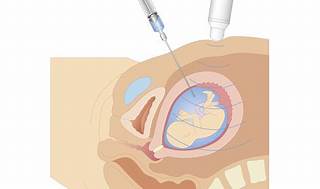
A nurse is caring for a client who is at 33 weeks of gestation following an amniocentesis.
The nurse should monitor the client for which of the following complications?
A. Epigastric pain
Epigastric pain is not a common complication following an amniocentesis. It is more often associated with conditions like preeclampsia or gastrointestinal issues.
B. Hypertension
Hypertension is not directly related to amniocentesis. It is more commonly associated with conditions like preeclampsia or chronic hypertension in pregnancy.
C. Contractions
Contractions are a significant complication to monitor for after an amniocentesis, especially at 33 weeks of gestation. The procedure can sometimes induce preterm labor.
D. Vomiting
Vomiting is not a typical complication following an amniocentesis. It may occur due to other unrelated reasons but is not directly linked to the procedure.
Full Explanation
Explore
The correct answer is choice c. Contractions.
Choice A rationale:
Epigastric pain is not a common complication following an amniocentesis. It is more often associated with conditions like preeclampsia or gastrointestinal issues.
Choice B rationale:
Hypertension is not directly related to amniocentesis. It is more commonly associated with conditions like preeclampsia or chronic hypertension in pregnancy.
Choice C rationale:
Contractions are a significant complication to monitor for after an amniocentesis, especially at 33 weeks of gestation. The procedure can sometimes induce preterm labor.
Choice D rationale:
Vomiting is not a typical complication following an amniocentesis. It may occur due to other unrelated reasons but is not directly linked to the procedure.
A nurse is caring for an infant who has coarctation of the aorta.
Which of the following should the nurse identify as an expected finding?
A. Frequent nosebleeds
frequent nosebleeds, is not a typical sign of coarctation of the aorta. Nosebleeds can be caused by many factors, such as dry air, allergies, trauma, or bleeding disorders.
B. Upper extremity hypotension
upper extremity hypotension, is also not a common finding in coarctation of the aorta. In fact, patients with this condition may have high blood pressure in the upper extremities due to the increased resistance of the narrowed aorta.
C. Weak femoral pulses.
This is because coarctation of the aorta is a congenital condition where the aorta is narrow, usually in the area where the ductus arteriosus inserts. This causes a decrease in blood flow to the lower body, resulting in weak or absent pulses in the femoral arteries.
D. Increased intracranial pressure
, increased intracranial pressure, is not directly related to coarctation of the aorta. Increased intracranial pressure can be caused by various conditions that affect the brain, such as head injury, stroke, infection, or tumor.
Full Explanation
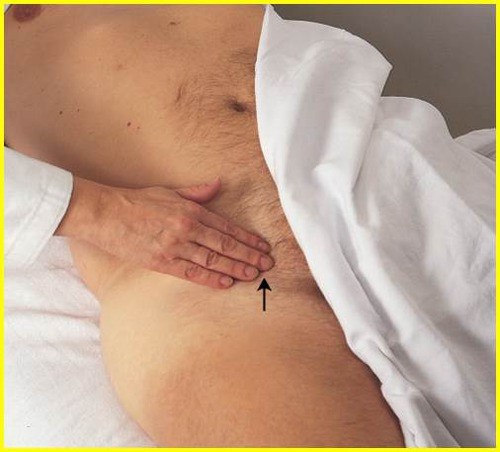
This is because coarctation of the aorta is a congenital condition where the aorta is narrow, usually in the area where the ductus arteriosus inserts. This causes a decrease in blood flow to the lower body, resulting in weak or absent pulses in the femoral arteries.
The other choices are incorrect for the following reasons:
- Choice A, frequent nosebleeds, is not a typical sign of coarctation of the aorta.
Nosebleeds can be caused by many factors, such as dry air, allergies, trauma, or bleeding disorders.
- Choice B, upper extremity hypotension, is also not a common finding in coarctation of the aorta. In fact, patients with this condition may have high blood pressure in the upper extremities due to the increased resistance of the narrowed aorta.
- Choice D, increased intracranial pressure, is not directly related to coarctation of the aorta.
Increased intracranial pressure can be caused by various conditions that affect the brain, such as head injury, stroke, infection, or tumor.
Normal ranges for blood pressure and pulse vary depending on age, sex, and health status.
However, some general guidelines are:
- Blood pressure: less than 120/80 mmHg for adults; less than 95/65 mmHg for infants.
- Pulse: 60 to 100 beats per minute for adults; 100 to 160 beats per minute for infants.