Nursing practice questions with comprehensive rationales
NurseDive Free Nursing Practice Question
A nurse is discussing factors that can lead to obstructive sleep apnea with a group of older adults. Which of the following factors should the nurse include in the teaching? Select all that apply.Loss
A. Loss of teeth
Loss of teeth is not typically considered a direct factor contributing to obstructive sleep apnea. While the presence of teeth may play a role in maintaining the structure of the oral cavity, it is not a primary risk factor for OSA.
B. Stroke
Stroke is correct. Individuals who have had a stroke are at increased risk of developing obstructive sleep apnea. Stroke can cause damage to areas of the brain involved in controlling breathing and upper airway function, leading to disruptions in respiratory control during sleep.
C. Sleepiness
Sleepiness is a symptom commonly associated with obstructive sleep apnea rather than a direct contributing factor. Excessive daytime sleepiness is a consequence of disrupted sleep patterns and recurrent episodes of breathing cessation during the night, which are characteristic features of obstructive sleep apnea.
D. Fatty deposits
Fatty deposits is correct. Excessive fatty deposits, particularly around the neck and throat, can contribute to the narrowing and collapse of the upper airway during sleep, increasing the risk of obstructive sleep apnea. Obesity is a significant risk factor for OSA due to the accumulation of fat deposits in the upper airway tissues.
E. Muscle dysfunction
Muscle dysfunction is correct. Muscle dysfunction, particularly of the muscles surrounding the upper airway, can impair the ability of these muscles to keep the airway open during sleep. Weakness or dysfunction of these muscles can lead to increased collapsibility of the upper airway, contributing to obstructive sleep apnea.
This question is an excerpt from Nurse Dive's nursing test bank - Ati Medical Surgical Proctored Exam 1. Take the full exam now
Full Explanation
Choice A Reason:
Loss of teeth is not typically considered a direct factor contributing to obstructive sleep apnea. While the presence of teeth may play a role in maintaining the structure of the oral cavity, it is not a primary risk factor for OSA.
Choice B Reason:
Stroke is correct. Individuals who have had a stroke are at increased risk of developing obstructive sleep apnea. Stroke can cause damage to areas of the brain involved in controlling breathing and upper airway function, leading to disruptions in respiratory control during sleep.
Choice C Reason:
Sleepiness is a symptom commonly associated with obstructive sleep apnea rather than a direct contributing factor. Excessive daytime sleepiness is a consequence of disrupted sleep patterns and recurrent episodes of breathing cessation during the night, which are characteristic features of obstructive sleep apnea.
Choice D Reason:
Fatty deposits is correct. Excessive fatty deposits, particularly around the neck and throat, can contribute to the narrowing and collapse of the upper airway during sleep, increasing the risk of obstructive sleep apnea. Obesity is a significant risk factor for OSA due to the accumulation of fat deposits in the upper airway tissues.
Choice E Reason:
Muscle dysfunction is correct. Muscle dysfunction, particularly of the muscles surrounding the upper airway, can impair the ability of these muscles to keep the airway open during sleep. Weakness or dysfunction of these muscles can lead to increased collapsibility of the upper airway, contributing to obstructive sleep apnea.
Similar Questions
A nurse is assisting with the plan of care for a client who has a spinal cord injury and spasm-induced incontinence. Which of the following medications should the nurse anticipate a prescription for?
A. Glatiramer acetate
Glatiramer acetate is incorrect because it is used in the treatment of multiple sclerosis (MS) to reduce the frequency of relapses and delay disease progression. It is not indicated for spasm-induced incontinence.
B. Dulaglutide
Dulaglutide is incorrect because it is a medication used to treat type 2 diabetes by improving blood sugar control. It is not indicated for the treatment of spasm-induced incontinence.
C. Montelukast sodium
Montelukast sodium is incorrect because it is a leukotriene receptor antagonist primarily used to manage asthma and allergic rhinitis. It is not indicated for the treatment of spasm-induced incontinence.
D. Oxybutynin
Oxybutynin is an anticholinergic medication commonly used to treat overactive bladder and urinary incontinence, including spasm-induced incontinence that can occur in individuals with spinal cord injury. It works by relaxing the smooth muscles of the bladder, thereby reducing involuntary contractions that contribute to urinary urgency and incontinence.
Full Explanation
Choice A Reason:
Glatiramer acetate is incorrect because it is used in the treatment of multiple sclerosis (MS) to reduce the frequency of relapses and delay disease progression. It is not indicated for spasm-induced incontinence.
Choice B Reason:
Dulaglutide is incorrect because it is a medication used to treat type 2 diabetes by improving blood sugar control. It is not indicated for the treatment of spasm-induced incontinence.
Choice C Reason:
Montelukast sodium is incorrect because it is a leukotriene receptor antagonist primarily used to manage asthma and allergic rhinitis. It is not indicated for the treatment of spasm-induced incontinence.
Choice D Reason:
Oxybutynin is an anticholinergic medication commonly used to treat overactive bladder and urinary incontinence, including spasm-induced incontinence that can occur in individuals with spinal cord injury. It works by relaxing the smooth muscles of the bladder, thereby reducing involuntary contractions that contribute to urinary urgency and incontinence.
A nurse is assessing a client who has a spinal cord injury. Which of the following assessment findings should the nurse expect with neurogenic shock? (Select all that apply.)
(Select All that Apply.)
A. Temperature 36.3° C (97.4° F)
Temperature 36.3°C (97.4°F) is correct. Hypothermia is a characteristic finding in neurogenic shock due to the loss of sympathetic control over temperature regulation and peripheral vasodilation. This can lead to heat loss from the skin surface and a decrease in core body temperature.
B. Respirations 12/min
Respirations 12/min is incorrect. Respiratory rate is usually not significantly affected in neurogenic shock. However, individuals with high cervical or upper thoracic spinal cord injuries may experience respiratory compromise due to paralysis of respiratory muscles, but this is not a typical feature of neurogenic shock.
C. Blood pressure 184/88 mm Hg
Incorrect: Neurogenic shock typically results in hypotension (low blood pressure) due to vasodilation. The given blood pressure reading is elevated, which is not consistent with neurogenic shock.
D. Heart rate 54/min
Heart rate 54/min is correct. Bradycardia is a common finding in neurogenic shock due to unopposed parasympathetic activity resulting from the loss of sympathetic tone. The heart rate may be slow and may decrease further over time.
E. Calcium level 7.0 mg/dL
Calcium level 7.0 mg/dL is incorrect, Calcium levels are not directly related to neurogenic shock. Neurogenic shock primarily involves the loss of sympathetic tone and the resulting hemodynamic changes, rather than alterations in calcium metabolism.
Full Explanation
Choice A Reason:
Temperature 36.3°C (97.4°F) is correct. Hypothermia is a characteristic finding in neurogenic shock due to the loss of sympathetic control over temperature regulation and peripheral vasodilation. This can lead to heat loss from the skin surface and a decrease in core body temperature.
Choice B Reason:
Respirations 12/min is incorrect. Respiratory rate is usually not significantly affected in neurogenic shock. However, individuals with high cervical or upper thoracic spinal cord injuries may experience respiratory compromise due to paralysis of respiratory muscles, but this is not a typical feature of neurogenic shock.
Choice C Reason:
Incorrect: Neurogenic shock typically results in hypotension (low blood pressure) due to vasodilation. The given blood pressure reading is elevated, which is not consistent with neurogenic shock.
Choice D Reason:
Heart rate 54/min is correct. Bradycardia is a common finding in neurogenic shock due to unopposed parasympathetic activity resulting from the loss of sympathetic tone. The heart rate may be slow and may decrease further over time.
Choice E Reason:
Calcium level 7.0 mg/dL is incorrect, Calcium levels are not directly related to neurogenic shock. Neurogenic shock primarily involves the loss of sympathetic tone and the resulting hemodynamic changes, rather than alterations in calcium metabolism.
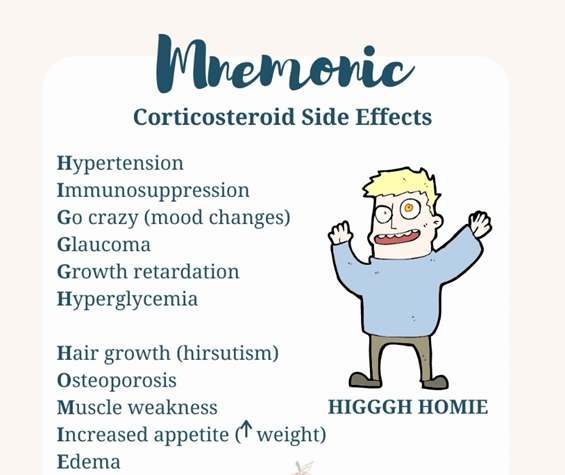
A nurse is planning care for a client who has multiple sclerosis and is receiving methylprednisolone. Which of the following adverse effects should the nurse anticipate? (Select all that apply.)
A. Bladder spasms
Bladder spasms are not commonly reported as adverse effects of methylprednisolone. However, bladder dysfunction can occur in individuals with multiple sclerosis due to the disease process itself, but it is not specifically related to corticosteroid therapy.
B. Hypotension
Hypotension is not a common adverse effect of methylprednisolone. In fact, corticosteroids can often lead to fluid retention and sodium retention, which can contribute to hypertension rather than hypotension.
C. Delayed wound healing
Corticosteroids can impair the body's ability to heal wounds by suppressing the inflammatory response and collagen synthesis. Therefore, clients receiving methylprednisolone may experience delayed wound healing, which can be problematic, especially in individuals with pre-existing wounds or undergoing surgical procedures.
D. Hirsutism
Hirsutism (excessive hair growth, especially in women) can occur with long-term corticosteroid use due to the effect of steroids on hair follicles. It is a possible adverse effect of methylprednisolone.
E. Hyperglycemia
Corticosteroids can increase blood glucose levels by promoting gluconeogenesis, reducing glucose uptake by tissues, and inducing insulin resistance. Clients receiving methylprednisolone may develop hyperglycemia, which can be particularly concerning for individuals with diabetes or those at risk of developing diabetes.
Full Explanation
Choice A Reason:
Bladder spasms are not commonly reported as adverse effects of methylprednisolone. However, bladder dysfunction can occur in individuals with multiple sclerosis due to the disease process itself, but it is not specifically related to corticosteroid therapy.
Choice B Reason:
Hypotension is not a common adverse effect of methylprednisolone. In fact, corticosteroids can often lead to fluid retention and sodium retention, which can contribute to hypertension rather than hypotension.
Choice C Reason:
Delayed wound healing is correct. Corticosteroids can impair the body's ability to heal wounds by suppressing the inflammatory response and collagen synthesis. Therefore, clients receiving methylprednisolone may experience delayed wound healing, which can be problematic, especially in individuals with pre-existing wounds or undergoing surgical procedures.
Choice D Reason:
Hirsutism (excessive hair growth, especially in women) can occur with long-term corticosteroid use due to the effect of steroids on hair follicles. It is a possible adverse effect of methylprednisolone.
Choice E Reason:
Hyperglycemia is correct. Corticosteroids can increase blood glucose levels by promoting gluconeogenesis, reducing glucose uptake by tissues, and inducing insulin resistance. Clients receiving methylprednisolone may develop hyperglycemia, which can be particularly concerning for individuals with diabetes or those at risk of developing diabetes.