
Nursing practice questions with comprehensive rationales
NurseDive Free Nursing Practice Question
A nurse is discussing time management strategies with another nurse. The nurse should include which of the following as an example of a time management strategy?
A. Plan time for disruptions.
Planning time for disruptions is a time management strategy, as it allows the nurse to anticipate and cope with unexpected events that may interfere with their schedule. By allocating some buffer time for potential delays, emergencies, or interruptions, the nurse can avoid stress and maintain their productivity.
B. Offer to complete another nurse’s task.
Offering to complete another nurse’s task is not a time management strategy, but rather a sign of poor boundary setting. While helping others is commendable, the nurse should not take on more responsibilities than they can handle, as this may compromise their own work quality and wellbeing. The nurse should learn to say no politely and focus on their own priorities.
C. Skip a meal break to catch up on charting.
Skipping a meal break to catch up on charting is not a time management strategy, but rather a counterproductive habit. Taking regular breaks is essential for the nurse to replenish their energy, reduce fatigue, and prevent burnout. Skipping breaks may impair the nurse’s concentration, memory, and decision-making, and increase the risk of errors.
D. Complete the easiest tasks first.
Completing the easiest tasks first is not a time management strategy, but rather a form of procrastination. The nurse should prioritize their tasks based on their importance and urgency, not their difficulty or preference. Completing the easiest tasks first may create a false sense of accomplishment, while leaving the most critical or challenging tasks for later, when the nurse may have less time or motivation.
This question is an excerpt from Nurse Dive's nursing test bank - Ati Lpn Fundamentals Proctored Exam 1. Take the full exam now
Full Explanation
Choice A reason: Planning time for disruptions is a time management strategy, as it allows the nurse to anticipate and cope with unexpected events that may interfere with their schedule. By allocating some buffer time for potential delays, emergencies, or interruptions, the nurse can avoid stress and maintain their productivity.
Choice B reason: Offering to complete another nurse’s task is not a time management strategy, but rather a sign of poor boundary setting. While helping others is commendable, the nurse should not take on more responsibilities than they can handle, as this may compromise their own work quality and wellbeing. The nurse should learn to say no politely and focus on their own priorities.
Choice C reason: Skipping a meal break to catch up on charting is not a time management strategy, but rather a counterproductive habit. Taking regular breaks is essential for the nurse to replenish their energy, reduce fatigue, and prevent burnout. Skipping breaks may impair the nurse’s concentration, memory, and decision-making, and increase the risk of errors.
Choice D reason: Completing the easiest tasks first is not a time management strategy, but rather a form of procrastination. The nurse should prioritize their tasks based on their importance and urgency, not their difficulty or preference. Completing the easiest tasks first may create a false sense of accomplishment, while leaving the most critical or challenging tasks for later, when the nurse may have less time or motivation.
Similar Questions
A nurse is caring for a client who acquired hepatitis A from consuming contaminated food. The client’s mouth is an example of which of the following links in the chain of infection?
A. Reservoir
The reservoir is the environment or habitat where the infectious agent lives and multiplies. The client's mouth is not a reservoir, but rather a part of the susceptible host. The reservoir for hepatitis A is usually the feces of an infected person.
B. Susceptible host
The susceptible host is the person who is at risk of getting the infection. The client's mouth is not a susceptible host, but rather a part of the susceptible host. The susceptibility to hepatitis A depends on factors such as age, immunity, hygiene, and exposure.
C. Portal of entry
The portal of entry is the opening or route through which the infectious agent enters the susceptible host. The client's mouth is a portal of entry, as it is where the contaminated food entered the client's body and caused the infection. Hepatitis A is transmitted through the fecaloral route, meaning that the virus is ingested from contact with objects, food, or water contaminated by the feces of an infected person.
D. Infectious agent
The infectious agent is the microorganism that causes the infection. The client's mouth is not an infectious agent, but rather a portal of entry for the infectious agent. The infectious agent for hepatitis A is a virus that affects the liver and causes inflammation, jaundice, and fever.
Full Explanation
Choice A reason: The reservoir is the environment or habitat where the infectious agent lives and multiplies. The client's mouth is not a reservoir, but rather a part of the susceptible host. The reservoir for hepatitis A is usually the feces of an infected person.
Choice B reason: The susceptible host is the person who is at risk of getting the infection. The client's mouth is not a susceptible host, but rather a part of the susceptible host. The susceptibility to hepatitis A depends on factors such as age, immunity, hygiene, and exposure.
Choice C reason: The portal of entry is the opening or route through which the infectious agent enters the susceptible host. The client's mouth is a portal of entry, as it is where the contaminated food entered the client's body and caused the infection. Hepatitis A is transmitted through the fecaloral route, meaning that the virus is ingested from contact with objects, food, or water contaminated by the feces of an infected person.
Choice D reason: The infectious agent is the microorganism that causes the infection. The client's mouth is not an infectious agent, but rather a portal of entry for the infectious agent. The infectious agent for hepatitis A is a virus that affects the liver and causes inflammation, jaundice, and fever.
A nurse is reinforcing teaching with a client who has been newly diagnosed with diabetes mellitus. Which of the following information demonstrates health literacy by the client?
A. The client requests further information to improve their health.
This statement does not demonstrate health literacy by the client, but rather a need for more health education. Health literacy is the ability to obtain, process, and understand basic health information and services needed to make appropriate health decisions. Requesting further information to improve their health indicates that the client may lack some knowledge or skills related to their condition.
B. The client understands to take their blood glucose daily.
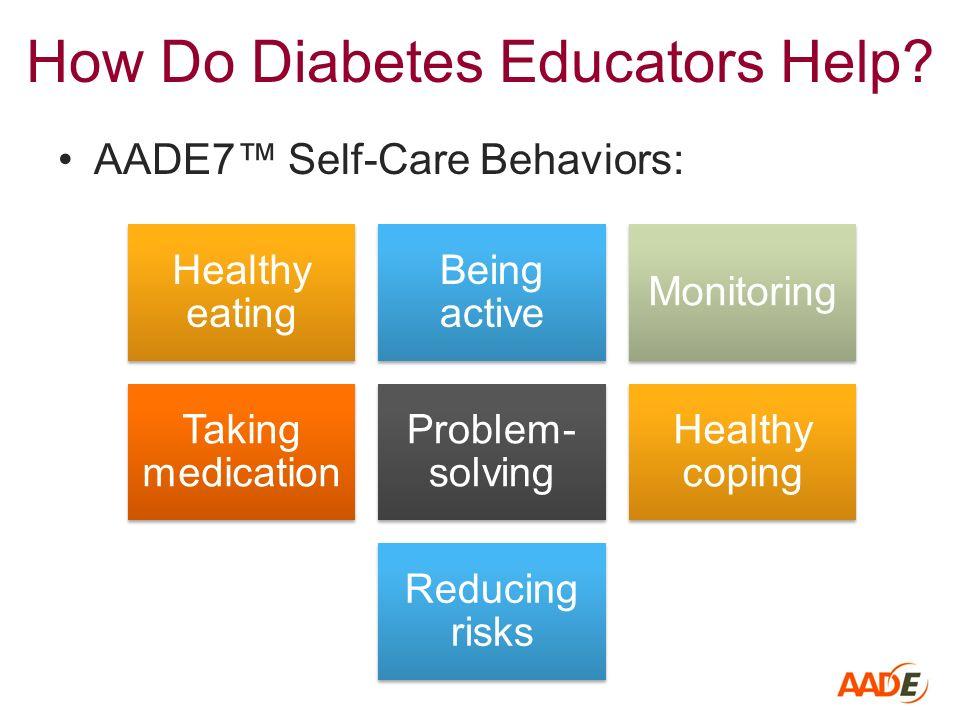
This statement demonstrates health literacy by the client, as it shows that they have learned and applied an important selfcare behavior for diabetes management. Taking blood glucose daily is a way to monitor and control blood sugar levels, which can prevent or delay complications of diabetes.
C. The client asks to speak with their provider.
This statement does not demonstrate health literacy by the client, but rather a need for more communication with their provider. Health literacy is not only about acquiring information, but also about using it effectively to make informed decisions. Asking to speak with their provider suggests that the client may have some questions or concerns that need to be addressed.
D. The client requests to speak with a nutritionist.
This statement does not demonstrate health literacy by the client, but rather a need for more nutritional guidance. Health literacy is not only about understanding information, but also about acting on it to improve health outcomes. Requesting to speak with a nutritionist implies that the client may need some assistance with planning and following a healthy diet for diabetes.
Full Explanation
Choice A reason: This statement does not demonstrate health literacy by the client, but rather a need for more health education. Health literacy is the ability to obtain, process, and understand basic health information and services needed to make appropriate health decisions. Requesting further information to improve their health indicates that the client may lack some knowledge or skills related to their condition.
Choice B reason: This statement demonstrates health literacy by the client, as it shows that they have learned and applied an important selfcare behavior for diabetes management. Taking blood glucose daily is a way to monitor and control blood sugar levels, which can prevent or delay complications of diabetes.
Choice C reason: This statement does not demonstrate health literacy by the client, but rather a need for more communication with their provider. Health literacy is not only about acquiring information, but also about using it effectively to make informed decisions. Asking to speak with their provider suggests that the client may have some questions or concerns that need to be addressed.
Choice D reason: This statement does not demonstrate health literacy by the client, but rather a need for more nutritional guidance. Health literacy is not only about understanding information, but also about acting on it to improve health outcomes. Requesting to speak with a nutritionist implies that the client may need some assistance with planning and following a healthy diet for diabetes.
A nurse at a clinic receives a provider's prescription to admit a child to an acute care facility for asthma management. The nurse reinforces teaching with the parents about acute care. Which of the following statements by the parent indicates an understanding of acute care?
A. "Acute care will not treat my child's illness. We can leave our child and perform our personal errands."
This statement does not indicate an understanding of acute care, but rather a misconception and a lack of responsibility. Acute care is a level of health care that provides immediate and short-term treatment for severe or life-threatening conditions, such as asthma attacks. Acute care requires the parents to stay with their child and participate in their care plan.
B. "We will take our child home and wait for the nurse to come."
This statement does not indicate an understanding of acute care, but rather a denial and a delay of treatment. Acute care is not provided at home, but at a specialized facility that has the equipment and staff to handle emergencies. Waiting for the nurse to come may worsen the child's condition and increase the risk of complications.
C. "My child will be at this facility for at least a month."
This statement does not indicate an understanding of acute care, but rather an exaggeration and a misunderstanding of the duration of treatment. Acute care is not meant to last for a long time, but only until the condition is stabilized or resolved. The length of stay at an acute care facility depends on the severity of the condition and the response to treatment, but it is usually less than a month.
D. "My child will receive medications to manage their condition."
This statement indicates an understanding of acute care, as it reflects the main goal and intervention of acute care for asthma. Acute care for asthma involves administering medications that can quickly relieve the symptoms and prevent further inflammation of the airways. Medications may include bronchodilators, corticosteroids, oxygen, and others.
Full Explanation
Choice A reason: This statement does not indicate an understanding of acute care, but rather a misconception and a lack of responsibility. Acute care is a level of health care that provides immediate and short-term treatment for severe or life-threatening conditions, such as asthma attacks. Acute care requires the parents to stay with their child and participate in their care plan.
Choice B reason: This statement does not indicate an understanding of acute care, but rather a denial and a delay of treatment. Acute care is not provided at home, but at a specialized facility that has the equipment and staff to handle emergencies. Waiting for the nurse to come may worsen the child's condition and increase the risk of complications.
Choice C reason: This statement does not indicate an understanding of acute care, but rather an exaggeration and a misunderstanding of the duration of treatment. Acute care is not meant to last for a long time, but only until the condition is stabilized or resolved. The length of stay at an acute care facility depends on the severity of the condition and the response to treatment, but it is usually less than a month.
Choice D reason: This statement indicates an understanding of acute care, as it reflects the main goal and intervention of acute care for asthma. Acute care for asthma involves administering medications that can quickly relieve the symptoms and prevent further inflammation of the airways. Medications may include bronchodilators, corticosteroids, oxygen, and others.