
Nursing practice questions with comprehensive rationales
NurseDive Free Nursing Practice Question
A nurse is educating a client about ibuprofen, a nonsteroidal anti-inflammatory drug (NSAID), that has been prescribed for moderate pain and inflammation. Which of the following instructions should the nurse include? (Select all that apply.).
A. Take ibuprofen with food or milk to prevent gastric irritation.
Ibuprofen is a nonsteroidal anti-inflammatory drug (NSAID) that has anti-inflammatory, analgesic, and antipyretic effects.It works by inhibiting the synthesis of prostaglandins, which are involved in inflammation, pain, and fever.However, ibuprofen can also cause adverse effects such as gastric irritation, bleeding complications, renal impairment, and hypersensitivity reactions. Therefore, the nurse should instruct the client to: • Take ibuprofen with food or milk to prevent gastric irritation.This will reduce the direct contact of the drug with the stomach lining and decrease the risk of ulcers and bleeding. • Drink at least 2 liters of fluid per day to prevent renal impairment.This will help maintain adequate hydration and renal perfusion and prevent the accumulation of ibuprofen in the kidneys. • Avoid alcohol and other NSAIDs to prevent bleeding complications.Alcohol and other NSAIDs can increase the risk of gastric bleeding by interfering with the protective effects of prostaglandins on the stomach mucosa. • Report any signs of hypersensitivity such as rash, itching, or wheezing.These may indicate an allergic reaction to ibuprofen that can be serious or life-threatening.
B. Drink at least 2 liters of fluid per day to prevent renal impairment.
Ibuprofen is a nonsteroidal anti-inflammatory drug (NSAID) that has anti-inflammatory, analgesic, and antipyretic effects.It works by inhibiting the synthesis of prostaglandins, which are involved in inflammation, pain, and fever.However, ibuprofen can also cause adverse effects such as gastric irritation, bleeding complications, renal impairment, and hypersensitivity reactions. Therefore, the nurse should instruct the client to: • Take ibuprofen with food or milk to prevent gastric irritation.This will reduce the direct contact of the drug with the stomach lining and decrease the risk of ulcers and bleeding. • Drink at least 2 liters of fluid per day to prevent renal impairment.This will help maintain adequate hydration and renal perfusion and prevent the accumulation of ibuprofen in the kidneys. • Avoid alcohol and other NSAIDs to prevent bleeding complications.Alcohol and other NSAIDs can increase the risk of gastric bleeding by interfering with the protective effects of prostaglandins on the stomach mucosa. • Report any signs of hypersensitivity such as rash, itching, or wheezing.These may indicate an allergic reaction to ibuprofen that can be serious or life-threatening.
C. Avoid alcohol and other NSAIDs to prevent bleeding complications.
Ibuprofen is a nonsteroidal anti-inflammatory drug (NSAID) that has anti-inflammatory, analgesic, and antipyretic effects.It works by inhibiting the synthesis of prostaglandins, which are involved in inflammation, pain, and fever.However, ibuprofen can also cause adverse effects such as gastric irritation, bleeding complications, renal impairment, and hypersensitivity reactions. Therefore, the nurse should instruct the client to: • Take ibuprofen with food or milk to prevent gastric irritation.This will reduce the direct contact of the drug with the stomach lining and decrease the risk of ulcers and bleeding. • Drink at least 2 liters of fluid per day to prevent renal impairment.This will help maintain adequate hydration and renal perfusion and prevent the accumulation of ibuprofen in the kidneys. • Avoid alcohol and other NSAIDs to prevent bleeding complications.Alcohol and other NSAIDs can increase the risk of gastric bleeding by interfering with the protective effects of prostaglandins on the stomach mucosa. • Report any signs of hypersensitivity such as rash, itching, or wheezing.These may indicate an allergic reaction to ibuprofen that can be serious or life-threatening.
D. Report any signs of hypersensitivity such as rash, itching, or wheezing.
Ibuprofen is a nonsteroidal anti-inflammatory drug (NSAID) that has anti-inflammatory, analgesic, and antipyretic effects.It works by inhibiting the synthesis of prostaglandins, which are involved in inflammation, pain, and fever.However, ibuprofen can also cause adverse effects such as gastric irritation, bleeding complications, renal impairment, and hypersensitivity reactions. Therefore, the nurse should instruct the client to: • Take ibuprofen with food or milk to prevent gastric irritation.This will reduce the direct contact of the drug with the stomach lining and decrease the risk of ulcers and bleeding. • Drink at least 2 liters of fluid per day to prevent renal impairment.This will help maintain adequate hydration and renal perfusion and prevent the accumulation of ibuprofen in the kidneys. • Avoid alcohol and other NSAIDs to prevent bleeding complications.Alcohol and other NSAIDs can increase the risk of gastric bleeding by interfering with the protective effects of prostaglandins on the stomach mucosa. • Report any signs of hypersensitivity such as rash, itching, or wheezing.These may indicate an allergic reaction to ibuprofen that can be serious or life-threatening.
E. Monitor blood pressure and report any significant increase or decrease.
This is wrong because ibuprofen does not affect blood pressure significantly.However, some other NSAIDs such as celecoxib may increase the risk of cardiovascular events such as thrombosis, myocardial infarction, and stroke.Therefore, clients with hypertension or cardiovascular disease should use NSAIDs with caution and monitor their blood pressure regularly.
This question is an excerpt from Nurse Dive's nursing test bank - More questions on this topics. Take the full exam now
Full Explanation
The correct answer is choice A, B, C, and D. Ibuprofen is a nonsteroidal anti-inflammatory drug (NSAID) that has anti-inflammatory, analgesic, and antipyretic effects. It works by inhibiting the synthesis of prostaglandins, which are involved in inflammation, pain, and fever. However, ibuprofen can also cause adverse effects such as gastric irritation, bleeding complications, renal impairment, and hypersensitivity reactions.
Therefore, the nurse should instruct the client to:
• Take ibuprofen with food or milk to prevent gastric irritation. This will reduce the direct contact of the drug with the stomach lining and decrease the risk of ulcers and bleeding.
• Drink at least 2 liters of fluid per day to prevent renal impairment. This will help maintain adequate hydration and renal perfusion and prevent the accumulation of ibuprofen in the kidneys.
• Avoid alcohol and other NSAIDs to prevent bleeding complications. Alcohol and other NSAIDs can increase the risk of gastric bleeding by interfering with the protective effects of prostaglandins on the stomach mucosa.
• Report any signs of hypersensitivity such as rash, itching, or wheezing. These may indicate an allergic reaction to ibuprofen that can be serious or life-threatening.
Choice E is wrong because ibuprofen does not affect blood pressure significantly. However, some other NSAIDs such as celecoxib may increase the risk of cardiovascular events such as thrombosis, myocardial infarction, and stroke. Therefore, clients with hypertension or cardiovascular disease should use NSAIDs with caution and monitor their blood pressure regularly.
Similar Questions
The primary health care provider instructs the nurse to obtain the patient’s pain level every four hours. Which actions by the nurse help facilitate the pain assessment? Select all that apply.
A. Use a standard pain assessment tool
These actions by the nurse help facilitate the pain assessment by using a consistent and clear method to measure the patient’s pain level, enhancing the visibility and understanding of the scale, repeating the information for clarity and accuracy, and giving the patient enough time to respond without rushing or interrupting.
B. Increase features of the scale, such as font size
These actions by the nurse help facilitate the pain assessment by using a consistent and clear method to measure the patient’s pain level, enhancing the visibility and understanding of the scale, repeating the information for clarity and accuracy, and giving the patient enough time to respond without rushing or interrupting.
C. Repeat instructions and questions more than once D. Ask about present level of pain rather than pain history
These actions by the nurse help facilitate the pain assessment by using a consistent and clear method to measure the patient’s pain level, enhancing the visibility and understanding of the scale, repeating the information for clarity and accuracy, and giving the patient enough time to respond without rushing or interrupting.
D. Ask about present level of pain rather than pain history
This is wrong because asking about the present level of pain rather than the pain history is more relevant for pain management, not the pain assessment.The pain history provides valuable information about the onset, duration, frequency, quality, intensity, location, and aggravating or relieving factors of the pain.
E. Allow ample time for the patient to respond (Source: https://quizlet.com/129952120/pain-assessment-hesi-flash-cards/).
These actions by the nurse help facilitate the pain assessment by using a consistent and clear method to measure the patient’s pain level, enhancing the visibility and understanding of the scale, repeating the information for clarity and accuracy, and giving the patient enough time to respond without rushing or interrupting.
Full Explanation
The correct answer is choice A, B, C and E. These actions by the nurse help facilitate the pain assessment by using a consistent and clear method to measure the patient’s pain level, enhancing the visibility and understanding of the scale, repeating the information for clarity and accuracy, and giving the patient enough time to respond without rushing or interrupting.
Choice D is wrong because asking about the present level of pain rather than the pain history is more relevant for pain management, not the pain assessment. The pain history provides valuable information about the onset, duration, frequency, quality, intensity, location, and aggravating or relieving factors of the pain.
Which component of pain assessment is addressed by asking a client to rate his or her current level of discomfort on a scale of 0-10?
A. Intensity
Intensity is one of the key components of pain assessmentand it is measured by asking a client to rate his or her current level of discomfort on a scale of 0-10. This helps to quantify the severity of pain and monitor its changes over time.
B. Quality
Quality is wrong because quality refers to the nature or characteristics of pain, such as burning, stabbing, throbbing, etc.It is usually assessed by asking the client to describe the pain in his or her own words.
C. Onset
Onset is wrong because onset refers to the time when the pain started or what triggered it.It is usually assessed by asking the client about the mechanism of injury or etiology of pain, if identifiable.
D. Duration (Source: https://quizlet.com/303867498/pain-management-nclex-practice-quiz-25-questions-flash-cards/).
Duration is wrong because duration refers to how long the pain lasts or how often it occurs.It is usually assessed by asking the client about the course or temporal pattern of pain, such as constant, intermittent, or episodic.
Full Explanation
The correct answer is choice A. Intensity. Intensity is one of the key components of pain assessment and it is measured by asking a client to rate his or her current level of discomfort on a scale of 0-10.
This helps to quantify the severity of pain and monitor its changes over time.
Choice B. Quality is wrong because quality refers to the nature or characteristics of pain, such as burning, stabbing, throbbing, etc. It is usually assessed by asking the client to describe the pain in his or her own words.
Choice C. Onset is wrong because onset refers to the time when the pain started or what triggered it. It is usually assessed by asking the client about the mechanism of injury or etiology of pain, if identifiable.
Choice D. Duration is wrong because duration refers to how long the pain lasts or how often it occurs. It is usually assessed by asking the client about the course or temporal pattern of pain, such as constant, intermittent, or episodic.
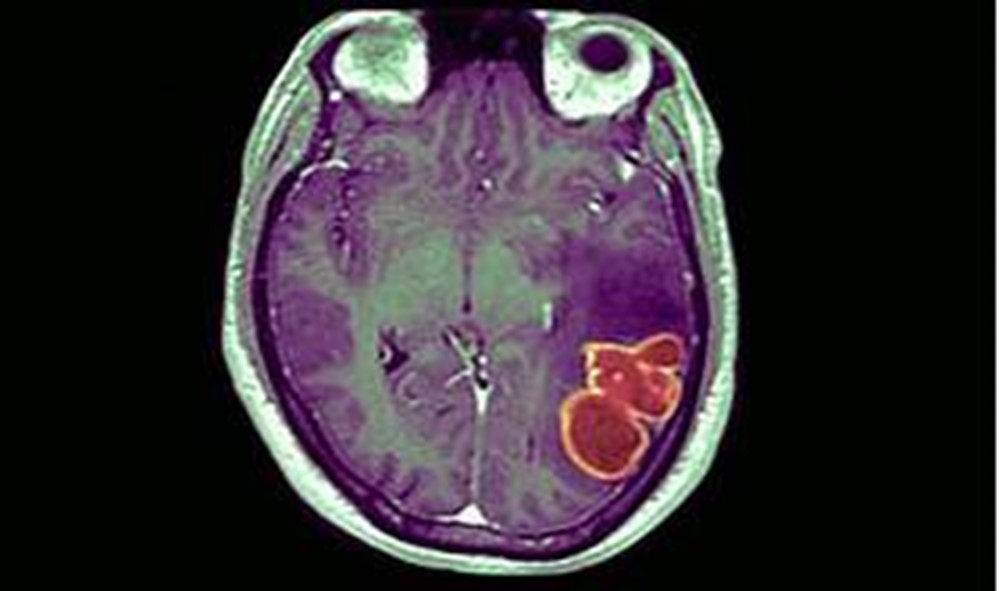
A nurse is caring for an older adult client who has difficulty communicating verbally due to aphasia following a stroke.
Which of the following strategies should the nurse use to assess this client’s pain? (Select all that apply.)
A. Ask yes or no questions
This can help the client to communicate their pain level and location with minimal language difficulty.
B. Use a visual analog scale (VAS)
This is a self-report pain scale that uses a line with endpoints labeled as “no pain” and “worst pain imaginable”.The client can point to a position on the line that corresponds to their pain intensity.VAS has been shown to be feasible, valid and reliable for stroke patients with mild-to-moderate aphasia.
C. Observe for nonverbal cues
This can include facial expressions, body movements, vocalizations, and changes in vital signs that may indicate pain.Nonverbal cues are especially important for clients with severe aphasia who cannot use self-report scales.
D. Use open-ended questions
This is wrong because open-ended questions require more complex language skills and may frustrate the client with aphasia.The nurse should use simple and direct questions that can be answered with yes or no, gestures, or pointing.
E. Involve family members or caregivers (Source: https://quizlet.com/580119875/pain-management-ati-flash-cards/).
They can provide information about the client’s pain history, preferences, and behaviors that may indicate pain.They can also help the nurse communicate with the client and interpret their responses.
Full Explanation
The correct answer is choice A, B, C, and E. The nurse should use the following strategies to assess this client’s pain:
• Ask yes or no questions: This can help the client to communicate their pain level and location with minimal language difficulty.
• Use a visual analog scale (VAS): This is a self-report pain scale that uses a line with endpoints labeled as “no pain” and “worst pain imaginable”. The client can point to a position on the line that corresponds to their pain intensity. VAS has been shown to be feasible, valid, and reliable for stroke patients with mild-to-moderate aphasia.
• Observe for nonverbal cues: This can include facial expressions, body movements, vocalizations, and changes in vital signs that may indicate pain. Nonverbal cues are especially important for clients with severe aphasia who cannot use self-report scales.
• Involve family members or caregivers: They can provide information about the client’s pain history, preferences, and behaviors that may indicate pain. They can also help the nurse to communicate with the client and interpret their responses.
Choice D is wrong because open-ended questions require more complex language skills and may frustrate the client with aphasia. The nurse should use simple and direct questions that can be answered with yes or no, gestures, or pointing.