Nursing practice questions with comprehensive rationales
NurseDive Free Nursing Practice Question
A nurse is monitoring the pulmonary artery wedge pressure (PAWP) for a client. The nurse should identify that a reading of 17 mm Hg is an indication of which of the following conditions?
A. Right ventricular failure
Reason: This is incorrect because right ventricular failure would cause an increase in right atrial pressure and right ventricular end-diastolic pressure, but not in PAWP, which reflects left atrial pressure and left ventricular end- diastolic pressure.
B. Fluid volume deficit
Reason: This is incorrect because fluid volume deficit would cause a decrease in PAWP, as there would be less blood volume in the pulmonary circulation.
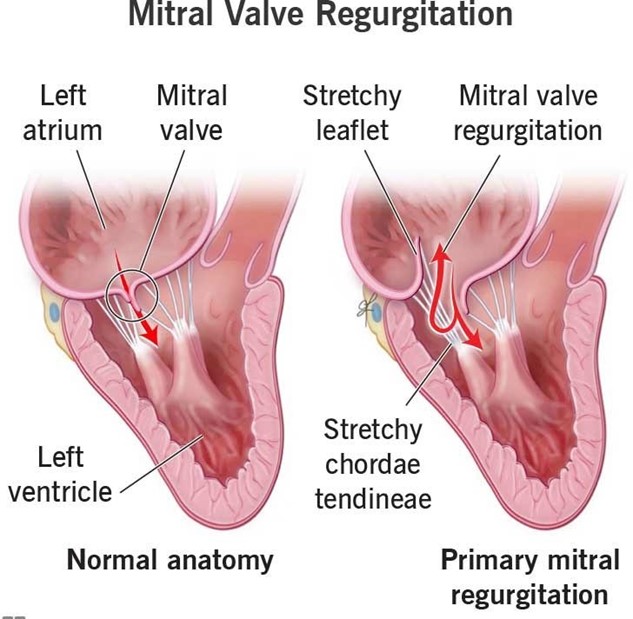
C. Mitral regurgitation
Reason: This is correct because mitral regurgitation would cause an increase in PAWP, as the blood would back up into the left atrium and pulmonary veins due to the incompetent mitral valve.
D. Afterload reduction
Reason: This is incorrect because afterload reduction would cause a decrease in PAWP, as there would be less resistance to the left ventricular ejection and less blood volume in the pulmonary circulation.
This question is an excerpt from Nurse Dive's nursing test bank - ATI Med Surg Custom N235 Final Summer 2023 Proctored Exam. Take the full exam now
Full Explanation
Choice A Reason: This is incorrect because right ventricular failure would cause an increase in right atrial pressure and right ventricular end-diastolic pressure, but not in PAWP, which reflects left atrial pressure and left ventricular end- diastolic pressure.
Choice B Reason: This is incorrect because fluid volume deficit would cause a decrease in PAWP, as there would be less blood volume in the pulmonary circulation.
Choice C Reason: This is correct because mitral regurgitation would cause an increase in PAWP, as the blood would back up into the left atrium and pulmonary veins due to the incompetent mitral valve.
Choice D Reason: This is incorrect because afterload reduction would cause a decrease in PAWP, as there would be less resistance to the left ventricular ejection and less blood volume in the pulmonary circulation.
Similar Questions
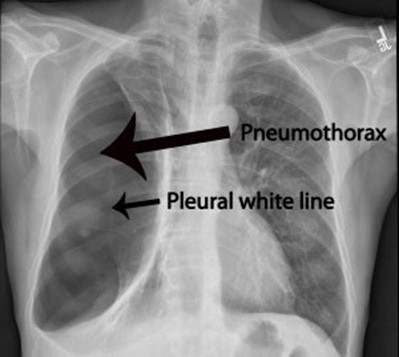
A nurse is monitoring a client who has a chest tube in place connected to wall suction due to a right-sided pneumothorax. The client complains of chest burning. Which of the following actions should the nurse take?
A. Clamp the client's chest tube.
Reason: This is incorrect because clamping the client's chest tube can cause a tension pneumothorax, which is a life-threatening condition that requires immediate intervention.
B. Increase the client's wall suction.
Reason: This is incorrect because increasing the client's wall suction can cause excessive negative pressure in the pleural space, which can damage the lung tissue and impair ventilation.
C. Reposition the client.
Reason: This is correct because repositioning the client can help relieve chest burning, which may be caused by irritation of the intercostal nerves by the chest tube or by air trapping in the pleural space.
D. Strip the client's chest tube.
Reason: This is incorrect because stripping the client's chest tube can create high negative pressure in the pleural space, which can damage the lung tissue and impair ventilation.
Full Explanation
Choice A Reason: This is incorrect because clamping the client's chest tube can cause a tension pneumothorax, which is a life-threatening condition that requires immediate intervention.
Choice B Reason: This is incorrect because increasing the client's wall suction can cause excessive negative pressure in the pleural space, which can damage the lung tissue and impair ventilation.
Choice C Reason: This is correct because repositioning the client can help relieve chest burning, which may be caused by irritation of the intercostal nerves by the chest tube or by air trapping in the pleural space.
Choice D Reason: This is incorrect because stripping the client's chest tube can create high negative pressure in the pleural space, which can damage the lung tissue and impair ventilation.
A nurse is preparing to administer an osmotic diuretic IV to a client with increased intracranial pressure. Which of the following should the nurse identify as the purpose of the medication?
A. Reduce edema of the brain.
Reason: This is correct because an osmotic diuretic, such as mannitol, works by creating an osmotic gradient that draws fluid from the brain tissue into the blood vessels, thereby reducing cerebral edema and intracranial pressure.
B. Increase cell size in the brain.
Reason: This is incorrect because an osmotic diuretic would decrease, not increase, the cell size in the brain by removing fluid from the intracellular space.
C. Expand extracellular fluid volume.
Reason: This is incorrect because an osmotic diuretic would decrease, not expand, the extracellular fluid volume by increasing the urine output and excreting excess fluid from the body.
D. Provide fluid hydration.
Reason: This is incorrect because an osmotic diuretic would not provide fluid hydration, but rather cause fluid loss and dehydration.
Full Explanation
Choice A Reason: This is correct because an osmotic diuretic, such as mannitol, works by creating an osmotic gradient that draws fluid from the brain tissue into the blood vessels, thereby reducing cerebral edema and intracranial pressure.
Choice B Reason: This is incorrect because an osmotic diuretic would decrease, not increase, the cell size in the brain by removing fluid from the intracellular space.
Choice C Reason: This is incorrect because an osmotic diuretic would decrease, not expand, the extracellular fluid volume by increasing the urine output and excreting excess fluid from the body.
Choice D Reason: This is incorrect because an osmotic diuretic would not provide fluid hydration, but rather cause fluid loss and dehydration.
A nurse is caring for a client who is unconscious following a cerebral hemorrhage. Which of the following nursing interventions is of highest priority?
A. Monitor the client's electrolyte levels.
Reason: This is incorrect because monitoring the client's electrolyte levels is not the highest priority, as it does not address the immediate risk of airway obstruction or aspiration.
B. Suction saliva from the client's mouth.
Reason: This is correct because suctioning saliva from the client's mouth is the highest priority, as it prevents airway obstruction and aspiration, which can lead to respiratory distress and infection.
C. Record the client's intake and output.
Reason: This is incorrect because recording the client's intake and output is not the highest priority, as it does not address the immediate risk of airway obstruction or aspiration.
D. Perform passive range of motion on each extremity.
Reason: This is incorrect because performing passive range of motion on each extremity is not the highest priority, as it does not address the immediate risk of airway obstruction or aspiration.
Full Explanation
Choice A Reason: This is incorrect because monitoring the client's electrolyte levels is not the highest priority, as it does not address the immediate risk of airway obstruction or aspiration.
Choice B Reason: This is correct because suctioning saliva from the client's mouth is the highest priority, as it prevents airway obstruction and aspiration, which can lead to respiratory distress and infection.
Choice C Reason: This is incorrect because recording the client's intake and output is not the highest priority, as it does not address the immediate risk of airway obstruction or aspiration.
Choice D Reason: This is incorrect because performing passive range of motion on each extremity is not the highest priority, as it does not address the immediate risk of airway obstruction or aspiration.