
Nursing practice questions with comprehensive rationales
NurseDive Free Nursing Practice Question
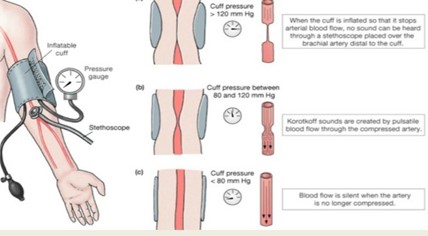
A nurse is preparing to obtain an electronic blood pressure measurement on a client. Which of the following actions should the nurse plan to take?
A. Select a cuff that covers 50% of the client’s upper arm.
B. Place the blood pressure cuff 5 cm (2 in) above the client’s antecubital space.
C. Elevate the client’s arm above the level of the heart.
When taking an electronic blood pressure measurement, it is important to properly position the cuff on the client’s arm. The artery indicator on the blood pressure cuff should be aligned with the client’s brachial artery1. It is also important to select a cuff that fits properly and to have the client sit comfortably with their back supported and feet flat on the ground2.
D. Align the artery indicator on the blood pressure cuff with the client’s brachial artery.
This question is an excerpt from Nurse Dive's nursing test bank - NURS 100 fundamentals swami test 14.18.23 proctored exam. Take the full exam now
Full Explanation
When taking an electronic blood pressure measurement, it is important to properly position the cuff on the client’s arm. The artery indicator on the blood pressure cuff should be aligned with the client’s brachial artery1. It is also important to select a cuff that fits properly and to have the client sit comfortably with their back supported and feet flat on the ground2.
Similar Questions
A nurse is planning care for a client who has dehydration and hypotension. Which of the following actions should the nurse plan to take?
A. Instruct the client to perform the Valsalva manoeuvre.
B. Elevate the head of the client’s bed.
C. Encourage the client to use guided imagery to relax.
D. Increase the client’s fluid intake.
Dehydration can cause hypotension, so increasing fluid intake can help to restore fluid levels and improve blood pressure1. Mild dehydration can be treated with fluids and electrolytes, while moderate-to-severe dehydration may require treatment with intravenous fluids and electrolytes2.
Full Explanation
Dehydration can cause hypotension, so increasing fluid intake can help to restore fluid levels and improve blood pressure1. Mild dehydration can be treated with fluids and electrolytes, while moderate-to-severe dehydration may require treatment with intravenous fluids and electrolytes2.
A nurse is observing a newly licensed nurse set up a sterile field. Which of the following actions by the newly licensed nurse indicates an understanding of the procedure?
A. Opens the first flap of the sterile package towards the nurse’s body.
B. Prepares the sterile field 2 hours before it is needed.
C. Inspects the sterile package for holes before opening.
When setting up a sterile field, it is important to inspect the sterile package for holes before opening it to ensure that the contents are still sterile1. The first flap of the package should be opened away from the body
D. Places the sterile field against a wall in the client’s room.
Full Explanation
When setting up a sterile field, it is important to inspect the sterile package for holes before opening it to ensure that the contents are still sterile1. The first flap of the package should be opened away from the body
A charge nurse is providing an in-service to a group of staff nurses about unexpected events. Which of the following should the nurse include in the teaching as an example of a sentinel event?
A. A client fell out of bed and fractured their hip.
A sentinel event is an unexpected event in a healthcare setting that causes or has the potential to cause death, serious physical or psychological injury, or loss of limb or function to a patient1. A client falling out of bed and fracturing their hip would be considered a sentinel event because it is an unexpected event that resulted in serious physical injury.
B. A client was prescribed a medication they were allergic to, but the prescription was canceled before the medication was given.
None
C. A client had bowel surgery and died from sepsis.
None
D. A client was almost given another client’s medication.
None
Full Explanation
A sentinel event is an unexpected event in a healthcare setting that causes or has the potential to cause death, serious physical or psychological injury, or loss of limb or function to a patient1. A client falling out of
bed and fracturing their hip would be considered a sentinel event because it is an unexpected event that resulted in serious physical injury.