Nursing practice questions with comprehensive rationales
NurseDive Free Nursing Practice Question
A nurse is observing the closed chest drainage system of a client who is 24 hr post thoracotomy. The nurse notes slow, steady bubbling in the suction control chamber. Which of the following actions should the nurse take?
A. Continue to monitor the client's respiratory status.
Reason: This choice is correct because slow, steady bubbling in the suction control chamber indicates that the suction is working properly and maintaining a negative pressure in the pleural space. The nurse should continue to monitor the client's respiratory status, such as breath sounds, oxygen saturation, and respiratory rate, to assess the effectiveness of the chest drainage system.
B. Check the suction control outlet on the wall.
Reason: This choice is incorrect because checking the suction control outlet on the wall is not necessary unless there is no bubbling in the suction control chamber, which would indicate a problem with the suction source or setting. The nurse should ensure that the suction control outlet is set at the prescribed level, usually between 10 and 20 cm H2O.
C. Clamp the chest tube.
Reason: This choice is incorrect because clamping the chest tube is not indicated unless there is a leak in the system or the chest drainage unit needs to be changed. Clamping the chest tube may cause a buildup of air or fluid in the pleural space, which can lead to tension pneumothorax or pleural effusion.
D. Check the tubing connections for leaks.
Reason: This choice is incorrect because checking the tubing connections for leaks is not necessary unless there is continuous bubbling in the water seal chamber, which would indicate an air leak in the system. The nurse should ensure that all tubing connections are tight and secure, and tape any loose connections.
This question is an excerpt from Nurse Dive's nursing test bank - ATI Med Surg Custom N235 Final Summer 2023 Proctored Exam. Take the full exam now
Full Explanation
Choice A Reason: This choice is correct because slow, steady bubbling in the suction control chamber indicates that the suction is working properly and maintaining a negative pressure in the pleural space. The nurse should continue to monitor the client's respiratory status, such as breath sounds, oxygen saturation, and respiratory rate, to assess the effectiveness of the chest drainage system.
Choice B Reason: This choice is incorrect because checking the suction control outlet on the wall is not necessary unless there is no bubbling in the suction control chamber, which would indicate a problem with the suction source or setting. The nurse should ensure that the suction control outlet is set at the prescribed level, usually between 10 and 20 cm H2O.
Choice C Reason: This choice is incorrect because clamping the chest tube is not indicated unless there is a leak in the system or the chest drainage unit needs to be changed. Clamping the chest tube may cause a buildup of air or fluid in the pleural space, which can lead to tension pneumothorax or pleural effusion.
Choice D Reason: This choice is incorrect because checking the tubing connections for leaks is not necessary unless there is continuous bubbling in the water seal chamber, which would indicate an air leak in the system. The nurse should ensure that all tubing connections are tight and secure, and tape any loose connections.

Similar Questions
A nurse is caring for a client who has just developed a pulmonary embolism. Which of the following medications should the nurse anticipate administering?
A. Furosemide
Reason: This choice is incorrect because furosemide is a diuretic that helps to reduce fluid retention and edema. It may be used for clients who have heart failure or hypertension, but it does not treat pulmonary embolism.
B. Heparin
Reason: This choice is correct because heparin is an anticoagulant that helps to prevent blood clots from forming or growing larger. It may be used for clients who have pulmonary embolism, which is a blockage of a pulmonary artery by a blood clot that usually originates from a deep vein thrombosis (DVT). Heparin can reduce the risk of complications such as pulmonary infarction or death.
C. Dexamethasone
Reason: This choice is incorrect because dexamethasone is a corticosteroid that helps to reduce inflammation and immune response. It may be used for clients who have allergic reactions, asthma, or autoimmune diseases, but it does not treat pulmonary embolism.
D. Epinephrine
Reason: This choice is incorrect because epinephrine is a sympathomimetic that helps to stimulate the heart and blood vessels. It may be used for clients who have cardiac arrest, anaphylaxis, or severe asthma, but it does not treat pulmonary embolism.
E. Atropine
Choice E Reason: This choice is incorrect because atropine is an anticholinergic that helps to block the effects of acetylcholine on the heart and smooth muscles. It may be used for clients who have bradycardia, atrioventricular block, or organophosphate poisoning, but it does not treat pulmonary embolism.
Full Explanation
Choice A Reason: This choice is incorrect because furosemide is a diuretic that helps to reduce fluid retention and edema. It may be used for clients who have heart failure or hypertension, but it does not treat pulmonary embolism.
Choice B Reason: This choice is correct because heparin is an anticoagulant that helps to prevent blood clots from forming or growing larger. It may be used for clients who have pulmonary embolism, which is a blockage of a pulmonary artery by a blood clot that usually originates from a deep vein thrombosis (DVT). Heparin can reduce the risk of complications such as pulmonary infarction or death.
Choice C Reason: This choice is incorrect because dexamethasone is a corticosteroid that helps to reduce inflammation and immune response. It may be used for clients who have allergic reactions, asthma, or autoimmune diseases, but it does not treat pulmonary embolism.
Choice D Reason: This choice is incorrect because epinephrine is a sympathomimetic that helps to stimulate the heart and blood vessels. It may be used for clients who have cardiac arrest, anaphylaxis, or severe asthma, but it does not treat pulmonary embolism.
Choice E Reason: This choice is incorrect because atropine is an anticholinergic that helps to block the effects of acetylcholine on the heart and smooth muscles. It may be used for clients who have bradycardia, atrioventricular block, or organophosphate poisoning, but it does not treat pulmonary embolism.
A nurse in the emergency department is caring for a client following an automobile crash in which the client was unrestrained and thrown from the vehicle. When assessing the client, the nurse observes clear fluid draining from the client's nose. Which of the following interventions should the nurse take?
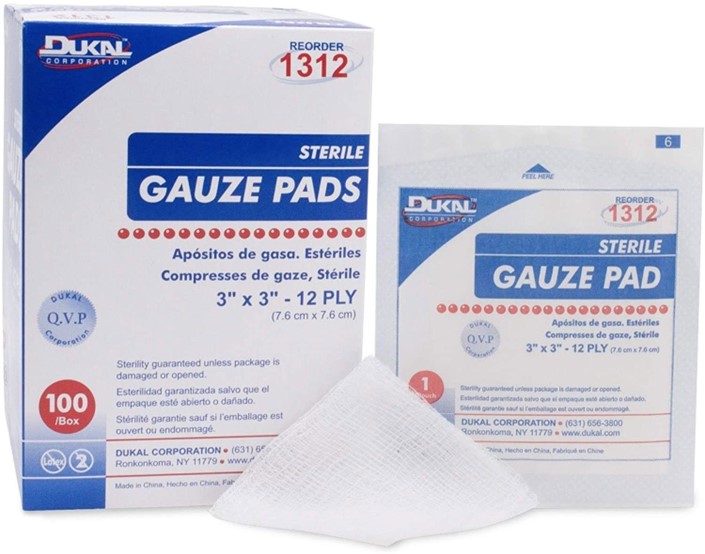
A. Allow the drainage to drip onto a sterile gauze pad.
Reason: This choice is correct because allowing the drainage to drip onto a sterile gauze pad may help to identify if it is cerebrospinal fluid (CSF), which is a clear fluid that surrounds and protects the brain and spinal cord. CSF leakage from the nose (rhinorrhea) may indicate a basilar skull fracture, which is a serious injury that can cause intracranial bleeding, infection, or brain damage. The nurse should test the drainage for the presence of glucose or the halo sign, which are indicators of CSF.
B. Obtain a culture of the specimen using sterile swabs.
Reason: This choice is incorrect because obtaining a culture of the specimen using sterile swabs may introduce bacteria into the nasal cavity and increase the risk of infection. The nurse should avoid inserting anything into the nose or mouth of a client who has a suspected basilar skull fracture.
C. Insert sterile packing into the nares.
Reason: This choice is incorrect because inserting sterile packing into the nares may increase the pressure in the cranial cavity and worsen the injury. The nurse should avoid applying pressure or occluding the nose or ears of a client who has a suspected basilar skull fracture.
D. Suction the nose gently with a bulb syringe.
Reason: This choice is incorrect because suctioning the nose gently with a bulb syringe may damage the nasal mucosa and cause bleeding. The nurse should avoid suctioning or irrigating the nose or ears of a client who has a suspected basilar skull fracture.
Full Explanation
Choice A Reason: This choice is correct because allowing the drainage to drip onto a sterile gauze pad may help to identify if it is cerebrospinal fluid (CSF), which is a clear fluid that surrounds and protects the brain and spinal cord. CSF leakage from the nose (rhinorrhea) may indicate a basilar skull fracture, which is a serious injury that can cause intracranial bleeding, infection, or brain damage. The nurse should test the drainage for the presence of glucose or the halo sign, which are indicators of CSF.
Choice B Reason: This choice is incorrect because obtaining a culture of the specimen using sterile swabs may introduce bacteria into the nasal cavity and increase the risk of infection. The nurse should avoid inserting anything into the nose or mouth of a client who has a suspected basilar skull fracture.
Choice C Reason: This choice is incorrect because inserting sterile packing into the nares may increase the pressure in the cranial cavity and worsen the injury. The nurse should avoid applying pressure or occluding the nose or ears of a client who has a suspected basilar skull fracture.
Choice D Reason: This choice is incorrect because suctioning the nose gently with a bulb syringe may damage the nasal mucosa and cause bleeding. The nurse should avoid suctioning or irrigating the nose or ears of a client who has a suspected basilar skull fracture.
A nurse working for a home health agency is assessing an older adult male client. Which of the following findings is the priority for the nurse to address?
A. Urinary hesitancy
Reason: This choice is incorrect because urinary hesitancy is not the priority finding for the nurse to address. Urinary hesitancy is a difficulty or delay in starting or maintaining a urine stream. It may be caused by various factors such as prostate enlargement, urinary tract infection, medication side effects, or psychological issues. It may cause discomfort, pain, or urinary retention, but it does not pose an immediate threat to the client's life.
B. Dysphagia
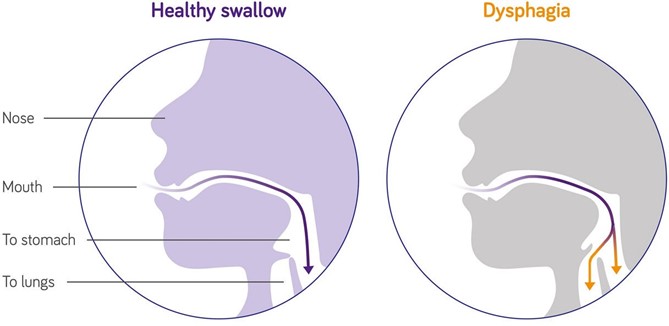
Reason: This choice is correct because dysphagia is the priority finding for the nurse to address. Dysphagia is a difficulty or inability to swallow food or liquids. It may be caused by various factors such as stroke, Parkinson's disease, dementia, esophageal cancer, or oral infections. It may cause malnutrition, dehydration, aspiration, or choking, which can lead to serious complications such as pneumonia, sepsis, or death. Therefore, the nurse should assess the client's swallowing function and provide appropriate interventions such as modifying the diet texture, using thickening agents, or teaching swallowing techniques.
C. Swollen gums
Reason: This choice is incorrect because swollen gums are not the priority finding for the nurse to address. Swollen gums are an inflammation or enlargement of the gingival tissue that surrounds the teeth. They may be caused by various factors such as poor oral hygiene, gum disease, vitamin deficiency, medication side effects, or hormonal changes. They may cause bleeding, pain, or infection, but they do not pose an immediate threat to the client's life.
D. Pruritus
Reason: This choice is incorrect because pruritus is not the priority finding for the nurse to address. Pruritus is a sensation of itching that affects the skin. It may be caused by various factors such as dry skin, allergies, eczema, psoriasis, liver disease, or kidney disease. It may cause discomfort, scratching, or skin damage, but it does not pose an immediate threat to the client's life.
Full Explanation
Choice A Reason: This choice is incorrect because urinary hesitancy is not the priority finding for the nurse to address.
Urinary hesitancy is a difficulty or delay in starting or maintaining a urine stream. It may be caused by various factors such as prostate enlargement, urinary tract infection, medication side effects, or psychological issues. It may cause discomfort, pain, or urinary retention, but it does not pose an immediate threat to the client's life.
Choice B Reason: This choice is correct because dysphagia is the priority finding for the nurse to address. Dysphagia is a difficulty or inability to swallow food or liquids. It may be caused by various factors such as stroke, Parkinson's disease, dementia, esophageal cancer, or oral infections. It may cause malnutrition, dehydration, aspiration, or choking, which can lead to serious complications such as pneumonia, sepsis, or death. Therefore, the nurse should assess the client's swallowing function and provide appropriate interventions such as modifying the diet texture, using thickening agents, or teaching swallowing techniques.
Choice C Reason: This choice is incorrect because swollen gums are not the priority finding for the nurse to address. Swollen gums are an inflammation or enlargement of the gingival tissue that surrounds the teeth. They may be caused by various factors such as poor oral hygiene, gum disease, vitamin deficiency, medication side effects, or hormonal changes. They may cause bleeding, pain, or infection, but they do not pose an immediate threat to the client's life.
Choice D Reason: This choice is incorrect because pruritus is not the priority finding for the nurse to address. Pruritus is a sensation of itching that affects the skin. It may be caused by various factors such as dry skin, allergies, eczema, psoriasis, liver disease, or kidney disease. It may cause discomfort, scratching, or skin damage, but it does not pose an immediate threat to the client's life.