
Nursing practice questions with comprehensive rationales
NurseDive Free Nursing Practice Question
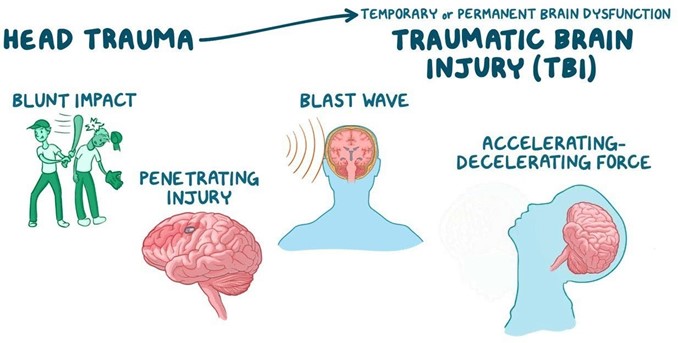
A nurse is performing a neurological assessment for a client who has head trauma. Which of the following assessments will give the nurse information about the function of cranial nerve III?
A. Ask the client to shrug his shoulders against passive resistance
Ask the client to shrug his shoulders against passive resistance is not an assessment that will give the nurse information about the function of cranial nerve III. This assessment will test the function of cranial nerve XI, which is the accessory nerve. The accessory nerve innervates the trapezius and sternocleidomastoid muscles, which are involved in shoulder and neck movements.
B. Instruct the client to look up and down without moving his head
Instruct the client to look up and down without moving his head is an assessment that will give the nurse information about the function of cranial nerve III. Cranial nerve III is the oculomotor nerve, which innervates four of the six extraocular muscles that control eye movements. The oculomotor nerve also controls pupil size and lens shape. By instructing the client to look up and down without moving his head, the nurse can assess the ability of the oculomotor nerve to move the eyes vertically and adjust to different distances.
C. Observe the client's ability to smile and frown
Observe the client's ability to smile and frown is not an assessment that will give the nurse information about the function of cranial nerve III. This assessment will test the function of cranial nerve VII, which is the facial nerve. The facial nerve innervates the muscles of facial expression, which are involved in smiling, frowning, blinking, and other facial movements.
D. Have the client stand with his eyes closed and touch his nose
Have the client stand with his eyes closed and touch his nose is not an assessment that will give the nurse information about the function of cranial nerve III. This assessment will test the function of cranial nerve VIII, which is the vestibulocochlear nerve. The vestibulocochlear nerve innervates the inner ear and is responsible for hearing and balance. By having the client stand with his eyes closed and touch his nose, the nurse can assess the ability of the vestibulocochlear nerve to maintain equilibrium and coordination.
This question is an excerpt from Nurse Dive's nursing test bank - ATI Med Surg 2 Proctored Exam. Take the full exam now
Full Explanation
Choice A: Ask the client to shrug his shoulders against passive resistance is not an assessment that will give the nurse information about the function of cranial nerve III. This assessment will test the function of cranial nerve XI, which is the accessory nerve. The accessory nerve innervates the trapezius and sternocleidomastoid muscles, which are involved in shoulder and neck movements.
Choice B: Instruct the client to look up and down without moving his head is an assessment that will give the nurse information about the function of cranial nerve III. Cranial nerve III is the oculomotor nerve, which innervates four of the six extraocular muscles that control eye movements. The oculomotor nerve also controls pupil size and lens shape. By instructing the client to look up and down without moving his head, the nurse can assess the ability of the oculomotor nerve to move the eyes vertically and adjust to different distances.
Choice C: Observe the client's ability to smile and frown is not an assessment that will give the nurse information about the function of cranial nerve III. This assessment will test the function of cranial nerve VII, which is the facial nerve. The facial nerve innervates the muscles of facial expression, which are involved in smiling, frowning, blinking, and other facial movements.
Choice D: Have the client stand with his eyes closed and touch his nose is not an assessment that will give the nurse information about the function of cranial nerve III. This assessment will test the function of cranial nerve VIII, which is the vestibulocochlear nerve. The vestibulocochlear nerve innervates the inner ear and is responsible for hearing and balance. By having the client stand with his eyes closed and touch his nose, the nurse can assess the ability of the vestibulocochlear nerve to maintain equilibrium and coordination.
Similar Questions
A nurse is observing the closed chest drainage system of a client who is 24 hr post thoracotomy. The nurse notes slow, steady bubbling in the suction control chamber. Which of the following actions should the nurse take?
A. Check the tubing connections for leaks
Check the tubing connections for leaks is not an action that the nurse should take. Leaks in the tubing connections can cause continuous or intermitent bubbling in the water seal chamber, not in the suction control chamber. The water seal chamber is the part of the closed chest drainage system that prevents air from entering the pleural space and allows air to escape from the chest tube. The nurse should check the tubing connections for leaks if there is bubbling in the water seal chamber and tighten them if necessary.
B. Check the suction control outlet on the wall
Check the suction control outlet on the wall is not an action that the nurse should take. The suction control outlet on the wall is the source of negative pressure that helps drain fluid and air from the pleural space and maintain a patent chest tube. The suction control chamber is the part of the closed chest drainage system that regulates the amount of negative pressure applied to the chest tube. The nurse should check the suction control outlet on the wall if there is no bubbling in the suction control chamber and adjust it as prescribed.
C. Continue to monitor the client's respiratory status
Continue to monitor the client's respiratory status is an action that the nurse should take. Slow, steady bubbling in the suction control chamber is an expected finding that indicates that suction is working properly and that there are no leaks in the system. The nurse should continue to monitor the client's respiratory status and assess for signs of respiratory distress, such as dyspnea, tachypnea, cyanosis, or decreased oxygen saturation.
D. Clamp the chest tube
Clamp the chest tube is not an action that the nurse should take. Clamping the chest tube can cause a tension pneumothorax, which is a life-threatening condition characterized by a buildup of air in the pleural space that compresses the lung and shifts the mediastinum. The nurse should only clamp the chest tube temporarily and briefly for specific purposes, such as changing or troubleshooting the drainage system, or as prescribed by the provider.
Full Explanation
Choice A: Check the tubing connections for leaks is not an action that the nurse should take. Leaks in the tubing connections can cause continuous or intermitent bubbling in the water seal chamber, not in the suction control chamber. The water seal chamber is the part of the closed chest drainage system that prevents air from entering the pleural space and allows air to escape from the chest tube. The nurse should check the tubing connections for leaks if there is bubbling in the water seal chamber and tighten them if necessary.
Choice B: Check the suction control outlet on the wall is not an action that the nurse should take. The suction control outlet on the wall is the source of negative pressure that helps drain fluid and air from the pleural space and maintain a patent chest tube. The suction control chamber is the part of the closed chest drainage system that regulates the amount of negative pressure applied to the chest tube. The nurse should check the suction control outlet on the wall if there is no bubbling in the suction control chamber and adjust it as prescribed.
Choice C: Continue to monitor the client's respiratory status is an action that the nurse should take. Slow, steady bubbling in the suction control chamber is an expected finding that indicates that the suction is working properly and that there are no leaks in the system. The nurse should continue to monitor the client's respiratory status and assess for signs of respiratory distress, such as dyspnea, tachypnea, cyanosis, or decreased oxygen saturation.
Choice D: Clamping the chest tube is not an action that the nurse should take. Clamping the chest tube can cause a tension pneumothorax, which is a life-threatening condition characterized by a buildup of air in the pleural space that compresses the lung and shifts the mediastinum. The nurse should only clamp the chest tube temporarily and briefly for specific purposes, such as changing or troubleshooting the drainage system, or as prescribed by the provider.
A home health nurse is making a home visit to a client who takes a daily diuretic for heart failure. Which of the following manifestations should the nurse identify as indicating the client is hypokalemic?
A. Fatigue
Fatigue is a manifestation that the nurse should identify as indicating the client is hypokalemic. Hypokalemia is a condition in which the blood potassium level is lower than normal, usually due to excessive loss of potassium through urine, sweat, or vomiting. Potassium is an electrolyte that is essential for nerve and muscle function, especially for the heart. Hypokalemia can cause muscle weakness, cramps, and fatigue, as well as cardiac arrhythmias and dysrhythmias.
B. Dyspnea
Dyspnea is not a manifestation that the nurse should identify as indicating the client is hypokalemic. Dyspnea is a sensation of difficulty breathing or shortness of breath. Dyspnea can be caused by various conditions, such as asthma, chronic obstructive pulmonary disease (COPD), pneumonia, or pulmonary edema. Dyspnea is not directly related to hypokalemia, but it can be a sign of heart failure, which can cause fluid accumulation in the lungs and impair gas exchange.
C. Oliguria
Oliguria is not a manifestation that the nurse should identify as indicating the client is hypokalemic. Oliguria is a reduced urine output, usually less than 400 mL per day or 30 mL per hour. Oliguria can be caused by various conditions, such as dehydration, kidney failure, urinary tract obstruction, or shock. Oliguria is not directly related to hypokalemia, but it can be a sign of kidney damage or impairment, which can affect electrolyte balance and fluid volume.
D. Pitting edema
Pitting edema is not a manifestation that the nurse should identify as indicating the client is hypokalemic. Pitting edema is a swelling of the tissues that leaves an indentation when pressed with a finger. Pitting edema can be caused by various conditions, such as venous insufficiency, lymphedema, liver cirrhosis, or malnutrition. Pitting edema is not directly related to hypokalemia, but it can be a sign of heart failure, which can cause fluid retention and overload in the body.
Full Explanation
Choice A: Fatigue is a manifestation that the nurse should identify as indicating the client is hypokalemic. Hypokalemia is a condition in which the blood potassium level is lower than normal, usually due to excessive loss of potassium through urine, sweat, or vomiting. Potassium is an electrolyte that is essential for nerve and muscle function, especially for the heart. Hypokalemia can cause muscle weakness, cramps, and fatigue, as well as cardiac arrhythmias and dysrhythmias.
Choice B: Dyspnea is not a manifestation that the nurse should identify as indicating the client is hypokalemic. Dyspnea is a sensation of difficulty breathing or shortness of breath. Dyspnea can be caused by various conditions, such as asthma, chronic obstructive pulmonary disease (COPD), pneumonia, or pulmonary edema. Dyspnea is not directly related to hypokalemia, but it can be a sign of heart failure, which can cause fluid accumulation in the lungs and impair gas exchange.
Choice C: Oliguria is not a manifestation that the nurse should identify as indicating the client is hypokalemic. Oliguria is a reduced urine output, usually less than 400 mL per day or 30 mL per hour. Oliguria can be caused by various conditions, such as dehydration, kidney failure, urinary tract obstruction, or shock. Oliguria is not directly related to hypokalemia, but it can be a sign of kidney damage or impairment, which can affect electrolyte balance and fluid volume.
Choice D: Pitting edema is not a manifestation that the nurse should identify as indicating the client is hypokalemic. Pitting edema is a swelling of the tissues that leaves an indentation when pressed with a finger. Pitting edema can be caused by various conditions, such as venous insufficiency, lymphedema, liver cirrhosis, or malnutrition. Pitting edema is not directly related to hypokalemia, but it can be a sign of heart failure, which can cause fluid retention and overload in the body.
A nurse is caring for a client who came to the emergency department reporting chest pain. The provider suspects a myocardial infarction. While waiting for the troponin levels report, the client asks what this blood test will show.
Which of the following explanations should the nurse provide to the client?
A. Troponin is an enzyme that indicates damage to brain, heart, and skeletal muscle tissues.
This is incorrect because troponin is not an enzyme, but a protein. Enzymes are molecules that speed up chemical reactions in the body. Troponin does not have this function.
B. Troponin is a heart muscle protein that appears in the bloodstream when there is damage to the heart.
This is correct because troponin is a protein that binds to calcium and regulates the contraction of heart muscle fibers. When the heart muscle is injured, such as in a myocardial infarction, troponin leaks into the bloodstream and can be detected by a blood test. The higher the level of troponin, the more severe the damage to the heart.
C. Troponin is a protein that helps transport oxygen throughout the body.
This is incorrect because troponin does not help transport oxygen throughout the body. That function is performed by hemoglobin, which is a protein found in red blood cells.
D. Troponin is a lipid whose levels reflect the risk for coronary artery disease.
Thisis incorrect because troponin is not a lipid, but a protein. Lipids are fats that are used for energy storage and cell membrane formation. Troponin does not have these roles.
Full Explanation
Choice a) is incorrect because troponin is not an enzyme, but a protein. Enzymes are molecules that speed up chemical reactions in the body. Troponin does not have this function.
Choice b) is correct because troponin is a protein that binds to calcium and regulates the contraction of heart muscle fibers. When the heart muscle is injured, such as in a myocardial infarction, troponin leaks into the bloodstream and can be detected by a blood test. The higher the level of troponin, the more severe the damage to the heart.
Choice c) is incorrect because troponin does not help transport oxygen throughout the body. That function is performed by hemoglobin, which is a protein found in red blood cells.
Choice d) is incorrect because troponin is not a lipid, but a protein. Lipids are fats that are used for energy storage and cell membrane formation. Troponin does not have these roles.