Nursing practice questions with comprehensive rationales
NurseDive Free Nursing Practice Question
A nurse is performing a pre-college physical assessment on an adolescent. Which of the following immunizations should the nurse anticipate administering?
A. Bacille Calmete-Guérin (BCG) vaccine
reason: This choice is incorrect because the BCG vaccine is not recommended for adolescents in the United States. The BCG vaccine is a vaccine that protects against tuberculosis (TB), a bacterial infection that affects the lungs and other organs. It may be used for children who live in countries where TB is common or who have a high risk of exposure to TB, but it is not routinely given in the United States because of the low incidence of TB and the possibility of false-positive results on TB skin tests.
B. Pneumococcal polysaccharide vaccine
reason: This choice is incorrect because the pneumococcal polysaccharide vaccine is not recommended for adolescents unless they have certain medical conditions. The pneumococcal polysaccharide vaccine is a vaccine that protects against pneumococcal disease, a bacterial infection that can cause pneumonia, meningitis, or sepsis. It may be used for adults who are 65 years or older or who have chronic diseases, immunosuppression, or cochlear implants, but it is not routinely given to adolescents who are healthy.
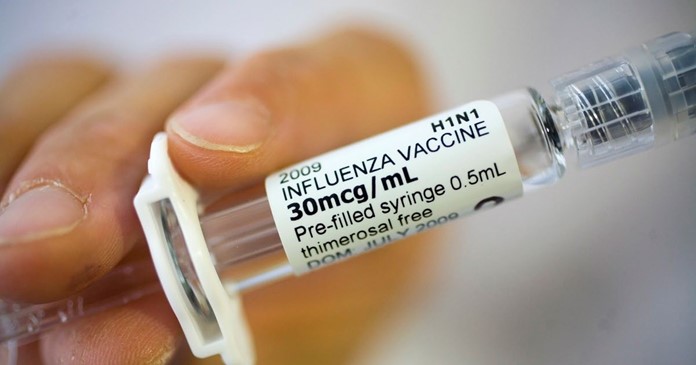
C. Influenza vaccine
reason: This choice is incorrect because the influenza vaccine is recommended for adolescents every year, not just before college. The influenza vaccine is a vaccine that protects against influenza, a viral infection that affects the respiratory system. It may be given as an injection or a nasal spray, and it may prevent or reduce the severity of influenza and its complications. It is recommended for everyone who is 6 months or older, especially those who have a high risk of influenza-related complications.
D. Meningococcal polysaccharide vaccine
reason: This choice is correct because the meningococcal polysaccharide vaccine is recommended for adolescents before college. The meningococcal polysaccharide vaccine is a vaccine that protects against meningococcal disease, a bacterial infection that can cause meningitis, septicemia, or death. It may be given as a single dose or a booster dose, and it may prevent outbreaks of meningococcal disease in crowded settings such as dormitories or military barracks. It is recommended for adolescents who are 11 to 12 years old, with a booster dose at 16 years old, or for those who are entering college and have not been previously vaccinated.
This question is an excerpt from Nurse Dive's nursing test bank - ATI Pediatric Proctored Exam 3. Take the full exam now
Full Explanation
Choice A reason: This choice is incorrect because the BCG vaccine is not recommended for adolescents in the United States. The BCG vaccine is a vaccine that protects against tuberculosis (TB), a bacterial infection that affects the lungs and other organs. It may be used for children who live in countries where TB is common or who have a high risk of exposure to TB, but it is not routinely given in the United States because of the low incidence of TB and the possibility of false-positive results on TB skin tests.
Choice B reason: This choice is incorrect because the pneumococcal polysaccharide vaccine is not recommended for adolescents unless they have certain medical conditions. The pneumococcal polysaccharide vaccine is a vaccine that protects against pneumococcal disease, a bacterial infection that can cause pneumonia, meningitis, or sepsis. It may be used for adults who are 65 years or older or who have chronic diseases, immunosuppression, or cochlear implants, but it is not routinely given to adolescents who are healthy.
Choice C reason: This choice is incorrect because the influenza vaccine is recommended for adolescents every year, not just before college. The influenza vaccine is a vaccine that protects against influenza, a viral infection that affects the respiratory system. It may be given as an injection or a nasal spray, and it may prevent or reduce the severity of influenza and its complications. It is recommended for everyone who is 6 months or older, especially those who have a high risk of influenza-related complications.
Choice D reason: This choice is correct because the meningococcal polysaccharide vaccine is recommended for adolescents before college. The meningococcal polysaccharide vaccine is a vaccine that protects against meningococcal disease, a bacterial infection that can cause meningitis, septicemia, or death. It may be given as a single dose or a booster dose, and it may prevent outbreaks of meningococcal disease in crowded settings such as dormitories or military barracks. It is recommended for adolescents who are 11 to 12 years old, with a booster dose at 16 years old, or for those who are entering college and have not been previously vaccinated.
Similar Questions
A nurse is providing nutritional teaching to the mother of a preschooler and is recommending food options to provide 1 oz of grains. Which of the following foods should the nurse recommend?
A. 1 cup cooked rice
reason: This choice is incorrect because 1 cup of cooked rice provides more than 1 oz of grains. According to the U.S. Department of Agriculture (USDA), one-ounce equivalent of grains equals one slice of bread, one cup of ready-to-eat cereal, or half a cup of cooked rice, pasta, or cereal. Therefore, 1 cup of cooked rice provides about 2 oz of grains.
B. 1/2 slice of white bread
reason: This choice is incorrect because 1/2 slice of white bread provides less than 1 oz of grains. As explained above, one-ounce equivalent of grains equals one slice of bread, so 1/2 slice of white bread provides only 0.5 oz of grains.
C. 1 cup ready-to-eat cereal flakes
reason: This choice is correct because 1 cup of ready-to-eat cereal flakes provides exactly 1 oz of grains. As explained above, the one-ounce equivalent of grains equals one cup of ready-to-eat cereal, so 1 cup of ready-to-eat cereal flakes provides 1 oz of grains.
D. 1/2 white flour tortilla
reason: This choice is incorrect because 1/2 white flour tortilla provides less than 1 oz of grains. According to the USDA, one-ounce equivalent of grains equals one small tortilla (6 inches in diameter), so 1/2 white flour tortilla provides only about 0.4 oz of grains.
Full Explanation
Choice A reason: This choice is incorrect because 1 cup of cooked rice provides more than 1 oz of grains. According to the U.S. Department of Agriculture (USDA), one-ounce equivalent of grains equals one slice of bread, one cup of ready-to-eat cereal, or half a cup of cooked rice, pasta, or cereal. Therefore, 1 cup of cooked rice provides about 2 oz of grains.
Choice B reason: This choice is incorrect because 1/2 slice of white bread provides less than 1 oz of grains. As explained above, one-ounce equivalent of grains equals one slice of bread, so 1/2 slice of white bread provides only 0.5 oz of grains.
Choice C reason: This choice is correct because 1 cup of ready-to-eat cereal flakes provides exactly 1 oz of grains. As explained above, the one-ounce equivalent of grains equals one cup of ready-to-eat cereal, so 1 cup of ready-to-eat cereal flakes provides 1 oz of grains.
Choice D reason: This choice is incorrect because 1/2 white flour tortilla provides less than 1 oz of grains. According to the USDA, one-ounce equivalent of grains equals one small tortilla (6 inches in diameter), so 1/2 white flour tortilla provides only about 0.4 oz of grains.
A nurse is planning care for an infant who has spina bifida and is to undergo surgical closure of the myelomeningocele sac. Which of the following interventions should the nurse include in the plan of care?
A. Provide a latex-free environment.
reason: This choice is correct because providing a latex-free environment is an essential intervention for an infant who has spina bifida and is to undergo surgical closure of the myelomeningocele sac. Spina bifida is a congenital defect in which the spinal cord and its coverings do not close properly, resulting in a protrusion of the meninges (meningocele) or the meninges and spinal cord (myelomeningocele). Children who have spina bifida are at a high risk of developing a latex allergy, which can cause severe reactions such as anaphylaxis or death. Therefore, avoiding exposure to latex products such as gloves, catheters, balloons, or bandages is crucial to prevent complications.
B. Initiate contact precautions.
reason: This choice is incorrect because initiating contact precautions is not necessary for an infant who has spina bifida and is to undergo surgical closure of the myelomeningocele sac. Contact precautions are infection control measures that prevent the transmission of microorganisms that can be spread by direct or indirect contact with the client or their environment. They may be indicated for clients who have multidrug-resistant organisms, clostridium difficile, or scabies, but they are not required for clients who have spina bifida unless they have a concurrent infection.
C. Limit visitors to immediate family members.
reason: This choice is incorrect because limiting visitors to immediate family members is not indicated for an infant who has spina bifida and is to undergo surgical closure of the myelomeningocele sac. Limiting visitors may be indicated for clients who have immunosuppression, isolation, or terminal illness, but it may not be beneficial for clients who have spina bifida. Allowing visitors may provide emotional and social support for the client and their family, as long as they follow standard precautions and do not pose any risk of infection or injury.
D. Maintain the infant in the supine position.
reason: This choice is incorrect because maintaining the infant in the supine position is not an appropriate intervention for an infant who has spina bifida and is to undergo surgical closure of the myelomeningocele sac. Maintaining the infant in the supine position may cause pressure or trauma to the sac, which can lead to rupture, infection, or nerve damage. Therefore, positioning the infant in a prone or side-lying position with the hips flexed and knees abducted can help to protect the sac and prevent complications.
Full Explanation
Choice A reason: This choice is correct because providing a latex-free environment is an essential intervention for an infant who has spina bifida and is to undergo surgical closure of the myelomeningocele sac. Spina bifida is a congenital defect in which the spinal cord and its coverings do not close properly, resulting in a protrusion of the meninges (meningocele) or the meninges and spinal cord (myelomeningocele). Children who have spina bifida are at a high risk of developing a latex allergy, which can cause severe reactions such as anaphylaxis or death. Therefore, avoiding exposure to latex products such as gloves, catheters, balloons, or bandages is crucial to prevent complications.
Choice B reason: This choice is incorrect because initiating contact precautions is not necessary for an infant who has spina bifida and is to undergo surgical closure of the myelomeningocele sac. Contact precautions are infection control measures that prevent the transmission of microorganisms that can be spread by direct or indirect contact with the client or their environment. They may be indicated for clients who have multidrug-resistant organisms, clostridium difficile, or scabies, but they are not required for clients who have spina bifida unless they have a concurrent infection.
Choice C reason: This choice is incorrect because limiting visitors to immediate family members is not indicated for an infant who has spina bifida and is to undergo surgical closure of the myelomeningocele sac. Limiting visitors may be indicated for clients who have immunosuppression, isolation, or terminal illness, but it may not be beneficial for clients who have spina bifida. Allowing visitors may provide emotional and social support for the client and their family, as long as they follow standard precautions and do not pose any risk of infection or injury.
Choice D reason: This choice is incorrect because maintaining the infant in the supine position is not an appropriate intervention for an infant who has spina bifida and is to undergo surgical closure of the myelomeningocele sac.
Maintaining the infant in the supine position may cause pressure or trauma to the sac, which can lead to rupture, infection, or nerve damage. Therefore, positioning the infant in a prone or side-lying position with the hips flexed and knees abducted can help to protect the sac and prevent complications.
A nurse is providing teaching to an adolescent who has type 1 diabetes mellitus. Which of the following should the nurse include in the teaching?
A. Take glyburide with breakfast.
reason: This choice is incorrect because taking glyburide with breakfast is not recommended for an adolescent who has type 1 diabetes mellitus. Glyburide is an oral hypoglycemic medication that lowers blood glucose levels by stimulating insulin secretion from the pancreas. It may be used for clients who have type 2 diabetes mellitus, but it does not work for clients who have type 1 diabetes mellitus or DKA.
B. Obtain an influenza vaccine annually.
reason: This choice is correct because obtaining an influenza vaccine annually is recommended for an adolescent who has type 1 diabetes mellitus. The influenza vaccine is a vaccine that protects against influenza, a viral infection that affects the respiratory system. It may prevent or reduce the severity of influenza and its complications, such as pneumonia or sepsis. It is recommended for everyone who is 6 months or older, especially those who have chronic conditions such as diabetes mellitus that increase their risk of influenza-related complications.
C. Administer glucagon for hyperglycemia.
reason: This choice is incorrect because administering glucagon for hyperglycemia is not indicated for an adolescent who has type 1 diabetes mellitus. Glucagon is a hormone that raises blood glucose levels by stimulating glycogen breakdown in the liver. It may be used for clients who have hypoglycemia, which is a condition in which blood glucose levels are lower than normal (less than 70 mg/dL). It may cause symptoms such as sweating, trembling, confusion, or loss of consciousness. However, in type 1 diabetes mellitus, hyperglycemia (high blood glucose levels) rather than hypoglycemia is more likely to occur due to insulin deficiency or resistance.
D. Inject insulin in the deltoid muscle.
reason: This choice is incorrect because injecting insulin in the deltoid muscle is not an optimal method for an adolescent who has type 1 diabetes mellitus. Insulin is a hormone that lowers blood glucose levels by facilitating glucose uptake into the cells. It may be administered by injection or infusion, and it may vary in onset, peak, and duration of action. The preferred sites for insulin injection are the abdomen, the thighs, the buttocks, or the upper arms, as they have more subcutaneous fat and less muscle tissue. Injecting insulin into the deltoid muscle may cause faster absorption and shorter duration of action, which can affect blood glucose control and increase the risk of hypoglycemia.
Full Explanation
Choice A reason: This choice is incorrect because taking glyburide with breakfast is not recommended for an adolescent who has type 1 diabetes mellitus. Glyburide is an oral hypoglycemic medication that lowers blood glucose levels by stimulating insulin secretion from the pancreas. It may be used for clients who have type 2 diabetes mellitus, but it does not work for clients who have type 1 diabetes mellitus or DKA.
Choice B reason: This choice is correct because obtaining an influenza vaccine annually is recommended for an adolescent who has type 1 diabetes mellitus. The influenza vaccine is a vaccine that protects against influenza, a viral infection that affects the respiratory system. It may prevent or reduce the severity of influenza and its complications, such as pneumonia or sepsis. It is recommended for everyone who is 6 months or older, especially those who have chronic conditions such as diabetes mellitus that increase their risk of influenza-related complications.
Choice C reason: This choice is incorrect because administering glucagon for hyperglycemia is not indicated for an adolescent who has type 1 diabetes mellitus. Glucagon is a hormone that raises blood glucose levels by stimulating glycogen breakdown in the liver. It may be used for clients who have hypoglycemia, which is a condition in which blood glucose levels are lower than normal (less than 70 mg/dL). It may cause symptoms such as sweating, trembling, confusion, or loss of consciousness. However, in type 1 diabetes mellitus, hyperglycemia (high blood glucose levels) rather than hypoglycemia is more likely to occur due to insulin deficiency or resistance.
Choice D reason: This choice is incorrect because injecting insulin in the deltoid muscle is not an optimal method for an adolescent who has type 1 diabetes mellitus. Insulin is a hormone that lowers blood glucose levels by facilitating glucose uptake into the cells. It may be administered by injection or infusion, and it may vary in onset, peak, and duration of action. The preferred sites for insulin injection are the abdomen, the thighs, the buttocks, or the upper arms, as they have more subcutaneous fat and less muscle tissue. Injecting insulin into the deltoid muscle may cause faster absorption and shorter duration of action, which can affect blood glucose control and increase the risk of hypoglycemia.