
Nursing practice questions with comprehensive rationales
NurseDive Free Nursing Practice Question
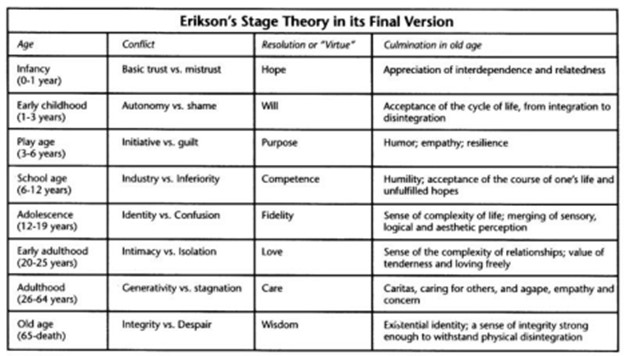
A nurse is planning care for a 10-year-old child who will be hospitalized for an extended period of time. Which of the following actions should the nurse include in the plan of care to meet the client's psychosocial needs according to Erikson?
A. Discourage visits from the client's friends
B. Provide a daily session with a play therapist
C. Encourage the client to complete school work
According to Erikson's theory, the psychosocial task for this age group is industry versus inferiority, where children develop a sense of competence and accomplishment through mastering tasks. By supporting the child's educational activities and encouraging them to complete school work, the nurse helps promote a sense of industry and competence.
D. Vary the child's schedule each day
This question is an excerpt from Nurse Dive's nursing test bank - Paediatrics ATI Proctored Exam. Take the full exam now
Full Explanation
According to Erikson's theory, the psychosocial task for this age group is industry versus inferiority, where children develop a sense of competence and accomplishment through mastering tasks. By supporting the child's educational activities and encouraging them to complete school work, the nurse helps promote a sense of industry and competence.
Similar Questions
A nurse is caring for an 18-month-old toddler who has been hospitalized for 10 days. After the toddler's mother leaves the room, the nurse observes the toddler sitting quietly in the corner of the crib, sucking her thumb. When the nurse approaches the crib, the toddler turns away from the nurse. The nurse should understand that these behaviors indicate which of the following developmental reactions?
A. Developing autonomy
B. An anxiety reaction
These behaviors suggest that the child is experiencing distress or discomfort in response to the separation from the mother and the hospital environment. Anxiety reactions are common in toddlers who are hospitalized or experience separation from their primary caregivers. It is a normal response to unfamiliar and potentially stressful situations. Toddlers at this age are still developing a sense of security and trust in their environment, and being in the hospital can disrupt their routine and comfort. It is important for the nurse to provide a calm and supportive environment for the toddler, offering reassurance and comfort. The nurse can engage in activities that promote a sense of security and provide opportunities for the toddler to express their emotions and fears, such as through play or comforting rituals.
C. Resentment toward the mother
D. Regression
Full Explanation
These behaviors suggest that the child is experiencing distress or discomfort in response to the separation from the mother and the hospital environment.
Anxiety reactions are common in toddlers who are hospitalized or experience separation from their primary caregivers. It is a normal response to unfamiliar and potentially stressful situations. Toddlers at this age are still developing a sense of security and trust in their environment, and being in the hospital can disrupt their routine and comfort.
It is important for the nurse to provide a calm and supportive environment for the toddler, offering reassurance and comfort. The nurse can engage in activities that promote a sense of security and provide opportunities for the toddler to express their emotions and fears, such as through play or comforting rituals.
A nurse is assessing a toddler at a well-child visit. At what point in the physical examination should the nurse examine the child's tympanic membrane?
A. At the beginning
It’s usually best to build trust and rapport first with non-invasive assessments. Starting with a potentially uncomfortable procedure like looking in the ears may cause distress and make the rest of the exam more difficult.
B. Before examining the head and neck
Examining the tympanic membrane before the head and neck might still be too early in the assessment and could cause the child to become uncooperative for subsequent steps. If the child becomes upset, it could complicate the rest of the physical exam, making it harder to complete.
C. At the end
Performing the ear examination at the end allows the nurse to build trust and rapport throughout the visit. The child is less likely to become distressed too early in the exam, which helps maintain cooperation for as long as possible. If the child does become upset, it is at the end of the visit, and the more critical assessments have already been completed.
D. Before auscultating the chest
If the ear exam causes distress, it may make the child uncooperative for important assessments like auscultating the heart and lungs.
Full Explanation
A. It’s usually best to build trust and rapport first with non-invasive assessments. Starting with a potentially uncomfortable procedure like looking in the ears may cause distress and make the rest of the exam more difficult.
B. Examining the tympanic membrane before the head and neck might still be too early in the assessment and could cause the child to become uncooperative for subsequent steps. If the child becomes upset, it could complicate the rest of the physical exam, making it harder to complete.
C. Performing the ear examination at the end allows the nurse to build trust and rapport throughout the visit. The child is less likely to become distressed too early in the exam, which helps maintain cooperation for as long as possible. If the child does become upset, it is at the end of the visit, and the more critical assessments have already been completed.
D. If the ear exam causes distress, it may make the child uncooperative for important assessments like auscultating the heart and lungs.
A nurse is caring for a 12-month-old toddler who is hospitalized and confined to a room with contact precautions in place. Which of the following toys should the nurse recommend in order to meet the developmental needs of the client?
A. Large building blocks
At this age, toddlers enjoy exploring objects and are developing their motor skills, so large building blocks would be an appropriate toy choice. Hanging crib toys may be too limiting in terms of exploration, and modeling clay may not be safe due to the risk of ingestion. Crayons and a coloring book may be appropriate for older children, but at 12 months, the child's fine motor skills are still developing.
B. Crayons and a coloring book
C. Hanging crib toys
D. Modeling clay
Full Explanation
At this age, toddlers enjoy exploring objects and are developing their motor skills, so large building blocks would be an appropriate toy choice. Hanging crib toys may be too limiting in terms of exploration, and modeling clay may not be safe due to the risk of ingestion. Crayons and a coloring book may be appropriate for older children, but at 12 months, the child's fine motor skills are still developing.