
Nursing practice questions with comprehensive rationales
NurseDive Free Nursing Practice Question
A nurse is planning care for a client who has status epilepticus.
Which of the following interventions is the nurse's priority to include?
A. Administer phenytoin IV bolus to the client.
Choice A is incorrect because while phenytoin can be used to treat seizures, it is not typically used as a first-line treatment for status epilepticus.
B. Administer diazepam intravenously to the client.
The priority intervention for a nurse planning care for a client who has status epilepticus is to administer diazepam intravenously to the client. Diazepam is a benzodiazepine medication that can help stop seizure activity and is often used as a first-line treatment for status epilepticus.
C. Provide the client oxygen at 6 L/min using a nasal cannula.
Choice C is incorrect because while providing oxygen can be an important intervention for clients experiencing seizures, it is not the priority intervention.
D. Turn the client to the lateral position during seizure activity.
Choice D is incorrect because while turning the client to the lateral position during seizure activity can help prevent aspiration, it is not the priority intervention.
This question is an excerpt from Nurse Dive's nursing test bank - ATI Adult Medical Surgical 2019 Proctored Exam. Take the full exam now
Full Explanation
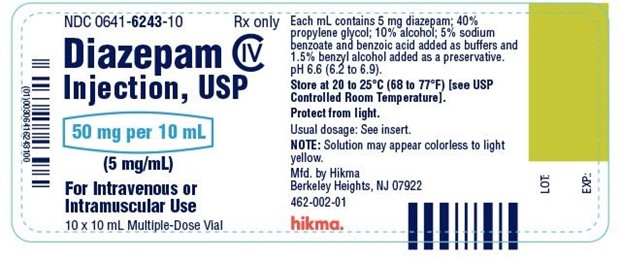
The priority intervention for a nurse planning care for a client who has status epilepticus is to administer diazepam intravenously to the client.
Diazepam is a benzodiazepine medication that can help stop seizure activity and is often used as a first-line treatment for status epilepticus.
Choice A is incorrect because while phenytoin can be used to treat seizures, it is not typically used as a first-line treatment for status epilepticus.
Choice C is incorrect because while providing oxygen can be an important intervention for clients experiencing seizures, it is not the priority intervention.
Choice D is incorrect because while turning the client to the lateral position during seizure activity can help prevent aspiration, it is not the priority intervention.
Similar Questions
A nurse is assessing a client who has cirrhosis.
Which of the following findings is the priority for the nurse to report?
A. Distended abdomen.
Choice A is incorrect because while a distended abdomen can be a sign of ascites, a complication of cirrhosis, it is not the priority finding to report.
B. Clay-colored stools.
Choice B is incorrect because while clay-colored stools can be a sign of biliary obstruction, it is not the priority finding to report.
C. Platelets 70,000/mm.
Platelets 70,000/mm. The priority finding for a nurse assessing a client who has cirrhosis to report is a platelet count of 70,000/mm. A low platelet count (thrombocytopenia) can be a complication of cirrhosis and can increase the risk of bleeding. A platelet count below 150,000/mm3 is considered low and should be reported to the provider.
D. Alkaline phosphatase 125 units/L.
Choice D is incorrect because while an elevated alkaline phosphatase level can be a sign of liver damage, it is not the priority finding to report.
Full Explanation
Platelets 70,000/mm.
The priority finding for a nurse assessing a client who has cirrhosis to report is a platelet count of 70,000/mm.
A low platelet count (thrombocytopenia) can be a complication of cirrhosis and can increase the risk of bleeding.
A platelet count below 150,000/mm3 is considered low and should be reported to the provider.
Choice A is incorrect because while a distended abdomen can be a sign of ascites, a complication of cirrhosis, it is not the priority finding to report.
Choice B is incorrect because while clay-colored stools can be a sign of biliary obstruction, it is not the priority finding to report.
Choice D is incorrect because while an elevated alkaline phosphatase level can be a sign of liver damage, it is not the priority finding to report.
A nurse is caring for a client who had a total hip arthroplasty.
Which of the following actions should the nurse take to prevent hip dislocation?
A. Place two-bed pillows between the legs when in bed.
Place two-bed pillows between the legs when in bed. To prevent hip dislocation after total hip arthroplasty, the nurse should place two-bed pillows between the client’s legs when in bed. This helps maintain proper alignment and prevent the hip from dislocating.
B. Encourage the client to lean forward when attempting to stand.
Choice B is incorrect because leaning forward when attempting to stand can increase the risk of hip dislocation.
C. Remove the wedge device when turning.
Choice C is incorrect because removing the wedge device when turning can increase the risk of hip dislocation.
D. Elevate the knees higher than the hips when sitting.
Choice D is incorrect because elevating the knees higher than the hips when sitting can increase the risk of hip dislocation.
Full Explanation
Place two-bed pillows between the legs when in bed.
To prevent hip dislocation after total hip arthroplasty, the nurse should place two-bed pillows between the client’s legs when in bed.
This helps maintain proper alignment and prevent the hip from dislocating.
Choice B is incorrect because leaning forward when attempting to stand can increase the risk of hip dislocation.
Choice C is incorrect because removing the wedge device when turning can increase the risk of hip dislocation.
Choice D is incorrect because elevating the knees higher than the hips when sitting can increase the risk of hip dislocation.
A nurse is caring for a client who is experiencing a hypertensive crisis. Which of the following actions should the nurse take?
A. Initiate an IV dopamine infusion.
Choice A is incorrect because dopamine is not typically used to treat hypertensive crises.
B. Begin an IV bolus of lactated Ringer's.
Choice B is incorrect because lactated Ringer’s solution is not typically used to treat hypertensive crises.
C. Perform neurological assessments.
A hypertensive crisis is an emergent situation in which a marked elevation in diastolic blood pressure can cause end-organ damage. The nurse should perform neurological assessments to monitor for any changes in the patient’s level of consciousness and other neurological symptoms.
D. Place the client supine.
Choice D is incorrect because placing the client supine may not be appropriate and could potentially worsen their condition.
Full Explanation
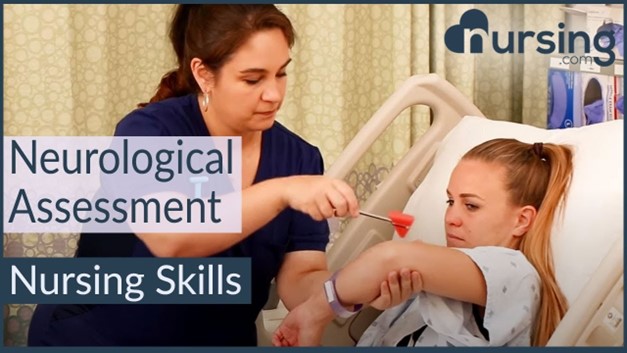
A hypertensive crisis is an emergent situation in which a marked elevation in diastolic blood pressure can cause end-organ damage.
The nurse should perform neurological assessments to monitor for any changes in the patient’s level of consciousness and other neurological symptoms.
Choice A is incorrect because dopamine is not typically used to treat hypertensive crises.
Choice B is incorrect because lactated Ringer’s solution is not typically used to treat hypertensive crises.
Choice D is incorrect because placing the client supine may not be appropriate and could potentially worsen their condition.